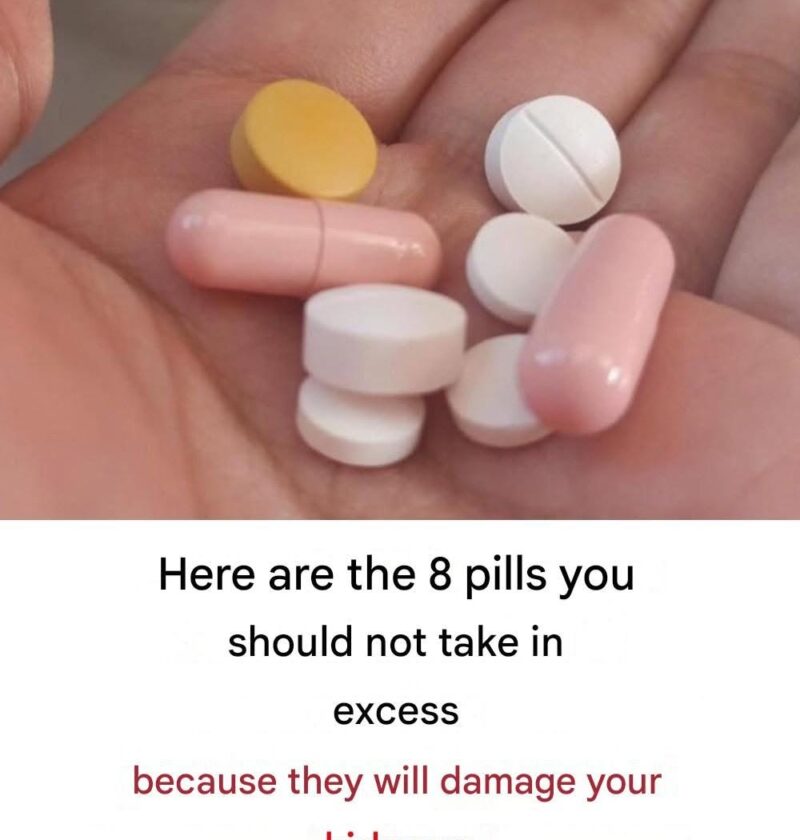
8 Types of Pills That Can Harm Your Kidneys (Especially When Misused)
Your kidneys filter waste, balance fluids, and remove many medicines from your body. Some medications are safe when used correctly, but certain drugs can stress the kidneys, especially at high doses, when taken for a long time, or in people who already have kidney problems.
Never stop a prescribed medication without speaking to your healthcare professional. The goal is to be aware of risks and use medicines safely.
1. Nonsteroidal Anti-Inflammatory Drugs (NSAIDs)
Common pain relievers such as:
- Ibuprofen
- Naproxen
- Diclofenac
can reduce blood flow to the kidneys in some people.
Risk is higher if you:
- Are older
- Have kidney disease
- Are dehydrated
- Take them frequently or at high doses
2. Certain Antibiotics
Some antibiotics can affect kidney function, especially in people with existing kidney problems.
Examples include certain:
- Aminoglycoside antibiotics
- Other antibiotics requiring dose adjustments in kidney disease
Doctors often monitor kidney function when these medicines are needed.
3. Proton Pump Inhibitors (PPIs) for Acid Reflux
Medicines used for heartburn and acid reflux, such as:
- Omeprazole
- Lansoprazole
- Pantoprazole
have been linked in some studies to kidney problems, including rare cases of kidney inflammation.
They are generally safe when appropriately prescribed, but long-term use should be reviewed periodically.
4. Some Blood Pressure Medicines (When Not Monitored)
Certain medicines that affect the kidneys’ blood flow can change kidney function, especially after starting treatment or changing doses.
Examples include:
- ACE inhibitors
- ARBs
These medicines are often protective for the kidneys in many patients, but doctors may check blood tests to monitor kidney function and potassium levels.
5. Diuretics (“Water Pills”)
Diuretics help remove excess fluid and are commonly used for:
- High blood pressure
- Heart failure
- Fluid retention
If they cause excessive fluid loss, dehydration can place stress on the kidneys.
6. Some Supplements and Herbal Products
Not all “natural” products are kidney-safe.
Potential concerns include:
- High-dose supplements
- Unregulated herbal remedies
- Products containing substances that may affect kidney function
Always tell your healthcare provider about supplements you take.
7. Certain Contrast Dyes Used in Medical Tests
Some imaging procedures use contrast agents that can rarely affect kidney function, particularly in people with existing kidney disease.
Doctors usually assess kidney function before using them when necessary.
8. High-Dose Painkillers or Combination Medicines
Taking multiple products containing the same pain-relieving ingredient can accidentally lead to excessive doses.
Examples:
- Combining several cold and flu medicines
- Taking multiple pain medicines without checking ingredients
Signs Your Kidneys May Be Under Stress
Contact a healthcare professional if you notice:
- Swelling in the legs, ankles, or around the eyes
- Less urine than usual
- Blood in urine
- Unusual tiredness
- Nausea
- Shortness of breath
- Persistent itching or confusion
How to Protect Your Kidneys
✅ Drink enough fluids (unless your doctor has restricted fluids)
✅ Avoid unnecessary long-term use of painkillers
✅ Follow prescribed doses
✅ Review medicines regularly with your doctor or pharmacist
✅ Have kidney tests if you are at higher risk (such as diabetes or high blood pressure)