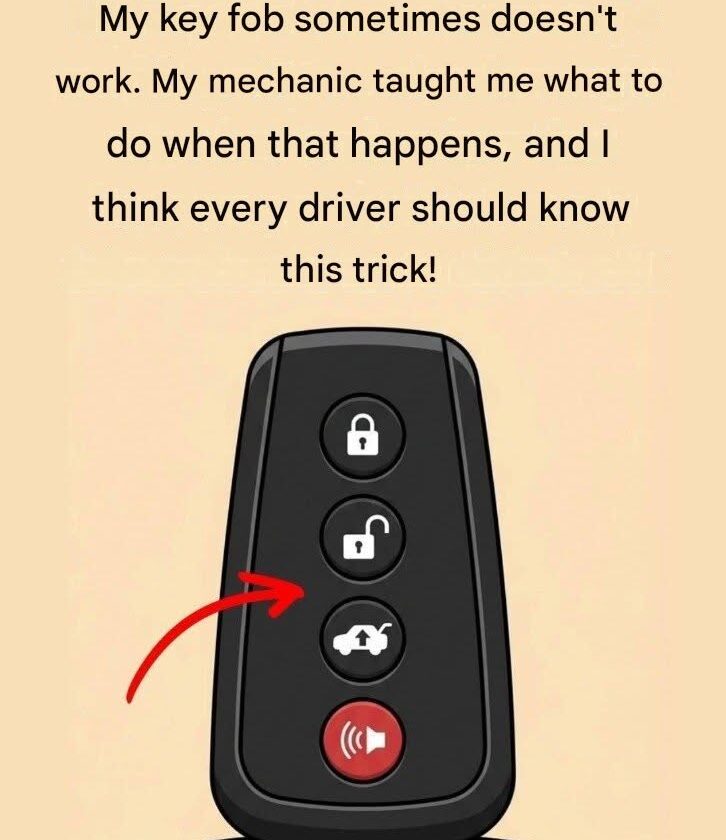
If your car key fob stops working, it doesn’t always mean it’s broken. Here are some common troubleshooting steps:
1. Replace the battery
- A weak or dead battery is the most common cause.
- Most key fobs use a small coin-cell battery (such as a CR2032 or CR2025), but check your owner’s manual or the battery already inside the fob.
2. Try the mechanical key
- Many key fobs contain a hidden physical key that can unlock the driver’s door if the remote isn’t working.
3. Start the car using the backup method
- Many vehicles with push-button start allow you to start the engine by holding the key fob against the start button or a designated spot in the vehicle when the fob battery is dead. Check your owner’s manual for the correct procedure.
4. Check for interference
- Nearby radio transmitters, cell towers, or other electronic devices can sometimes interfere with the signal.
- Try moving a short distance away and try again.
5. Clean the battery contacts
- If you’re replacing the battery, inspect the contacts for dirt or corrosion and clean them gently if needed.
6. Check for physical damage
- Water damage, a cracked circuit board, or worn buttons can prevent the fob from working.
7. Reprogram the key fob if necessary
- Some vehicles require the fob to be reprogrammed after a battery change or if it loses synchronization.
- The procedure varies by manufacturer.
8. Replace the key fob if needed
- If a new battery doesn’t help and the fob is damaged, you may need a replacement from the vehicle manufacturer, a dealership, or a qualified automotive locksmith.
When to seek help
If:
- Neither the remote nor the spare key fob works,
- The car doesn’t recognize the key,
- Or warning messages appear on the dashboard,
the issue may involve the vehicle’s receiver, immobilizer system, or the key itself. In that case, a dealership or qualified locksmith can diagnose the problem.
If you tell me your car’s make, model, and year, I can provide troubleshooting steps specific to your vehicle.