Atorvastatin is a statin medication used to lower cholesterol and reduce the risk of cardiovascular diseases such as heart attack and stroke. It works by blocking an enzyme in the liver that is needed to make cholesterol, which lowers levels of LDL (“bad”) cholesterol and triglycerides while modestly increasing HDL (“good”) cholesterol.
Why is atorvastatin commonly prescribed?
Healthcare professionals may prescribe atorvastatin to:
- Lower high LDL cholesterol
- Reduce the risk of heart attack and stroke in people with or at high risk of cardiovascular disease
- Treat mixed cholesterol disorders, including high triglycerides
- Help people with diabetes or other risk factors lower their risk of cardiovascular complications
- Slow the progression of atherosclerosis, the buildup of fatty plaques in arteries
How is it taken?
- Usually once a day, with or without food.
- It is available in several strengths, including 10 mg, 20 mg, 40 mg, and 80 mg.
- It works best when combined with heart-healthy habits such as:
- Eating a diet rich in fruits, vegetables, whole grains, and healthy fats
- Exercising regularly
- Maintaining a healthy weight
- Not smoking
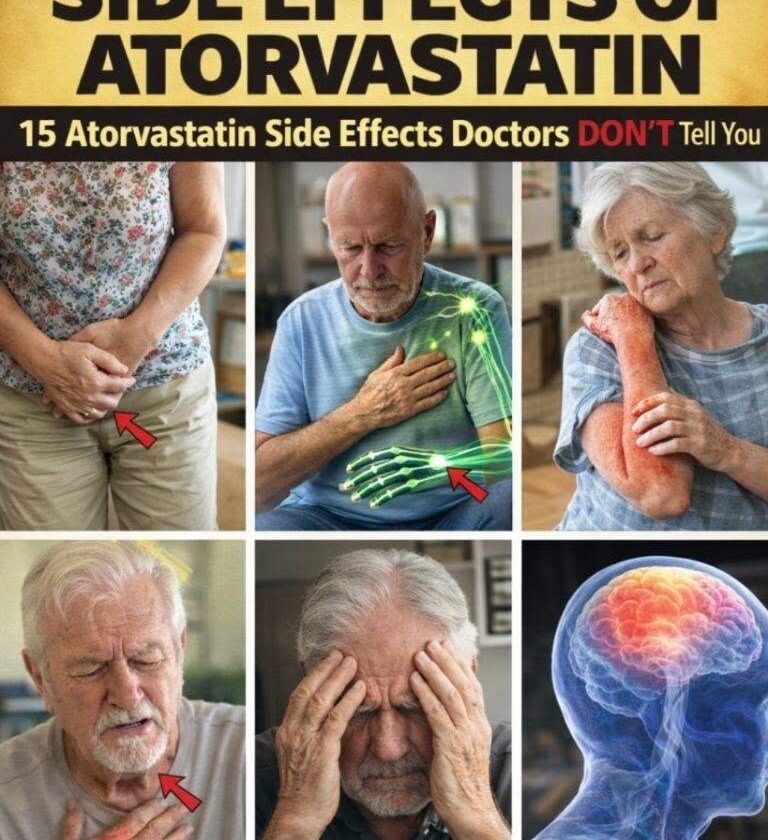
Common side effects
Many people have no side effects, but some may experience:
- Muscle aches or soreness
- Mild digestive upset
- Headache
- Fatigue
Rare but serious side effects
Contact a healthcare professional promptly if you develop:
- Severe muscle pain or weakness
- Dark-colored urine
- Yellowing of the skin or eyes
- Signs of an allergic reaction, such as swelling of the face or difficulty breathing
Important points
- Continue taking atorvastatin as prescribed unless your healthcare professional advises otherwise.
- Let your healthcare professional know about all medications and supplements you take, as some can interact with atorvastatin.
- Large amounts of grapefruit or grapefruit juice may increase atorvastatin levels in the body, so ask your clinician whether you should limit them.
By lowering cholesterol and stabilizing plaque in the arteries, atorvastatin has been shown to reduce the risk of serious cardiovascular events in many people at elevated risk. Whether it’s appropriate depends on your overall cardiovascular risk, cholesterol levels, age, and medical history.