7 Foods Often Claimed to Help With Intestinal Worms — What Science Says
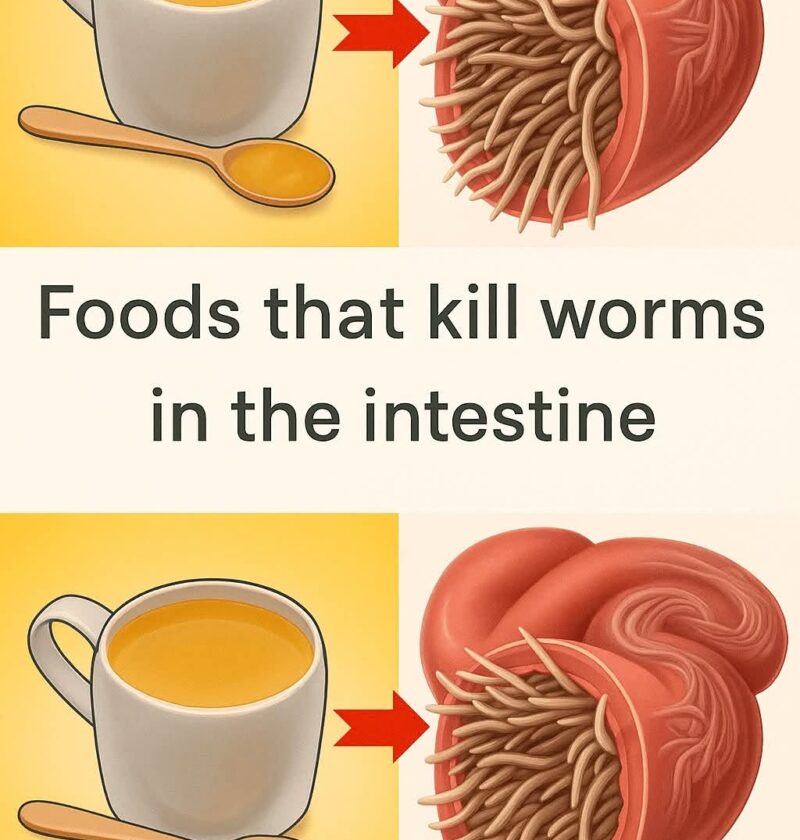
You may see lists claiming certain foods can “kill intestinal worms,” but food alone usually cannot reliably eliminate a parasitic worm infection. Intestinal worms are typically treated with specific antiparasitic medicines chosen based on the type of parasite and the person’s situation.
That said, some foods contain compounds that may support digestive health or have been studied for possible antiparasitic effects:
1. Garlic
- Contains sulfur compounds (such as allicin) that show antimicrobial activity in laboratory studies.
- Eating garlic may support general health, but it is not a proven replacement for deworming medication.
2. Pumpkin seeds
- Contain compounds called cucurbitacins, which have been studied for possible effects on some parasites.
- Human evidence is limited.
3. Papaya seeds
- Some small studies have explored papaya seed preparations for intestinal parasites.
- More research is needed before they can be considered a reliable treatment.
4. Carrots
- Rich in fiber and nutrients that support normal bowel function.
- They do not directly “flush out” worms, but a healthy diet supports gut health.
5. Coconut
- Contains fatty acids that may have antimicrobial properties.
- Evidence that it eliminates intestinal worms in humans is limited.
6. Ginger
- May support digestion and has anti-inflammatory properties.
- It is not a proven worm treatment.
7. Fermented foods (such as yogurt with live cultures)
- Support a healthy gut microbiome.
- They do not kill intestinal worms but may support digestive health.
Signs that may suggest a worm infection
- Persistent abdominal pain
- Diarrhea or nausea
- Unexplained weight loss
- Itching around the anus (especially at night)
- Seeing worms or worm segments in stool
- Fatigue or anemia in some cases
When to seek medical advice
If you suspect intestinal worms, a healthcare professional can recommend the right test or treatment. Using unproven remedies instead of effective medication may allow an infection to continue.
If you tell me the symptoms, age of the person affected, and country/region, I can help explain what types of intestinal worms are common and what treatments are usually used.