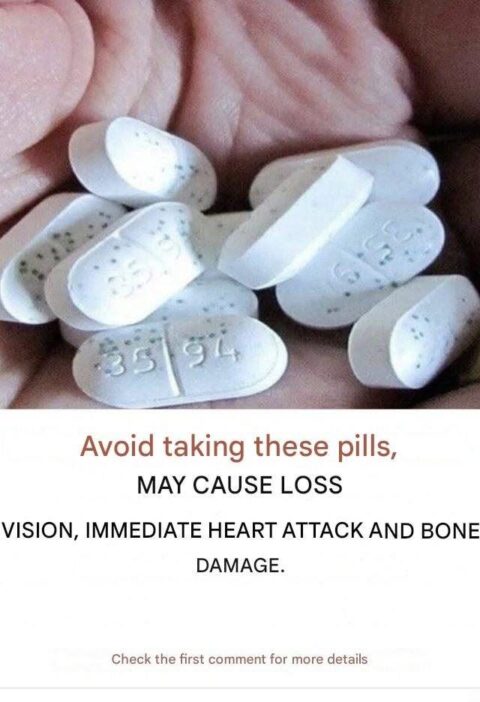
That headline is misleading. It is not true that you should “never” take magnesium with a broad list of medications. The real issue is that magnesium supplements can interact with certain medicines, often by reducing how well they are absorbed or by increasing the risk of side effects. In many cases, the solution is to separate the doses by a few hours, not to avoid magnesium altogether.
Some important examples include:
- Certain antibiotics
- Tetracyclines (such as doxycycline) and fluoroquinolones (such as ciprofloxacin or levofloxacin).
- Magnesium can bind to these medicines and reduce their absorption. Your clinician or pharmacist may recommend taking them several hours apart.
- Thyroid hormone
- Levothyroxine absorption can be reduced by magnesium supplements.
- It is usually recommended to separate the doses by at least 4 hours.
- Bisphosphonates for osteoporosis
- Medicines such as alendronate or risedronate should generally be taken on an empty stomach, well separated from magnesium.
- Some HIV medications
- Certain antiretroviral medicines can interact with magnesium-containing products, requiring careful timing.
- People with kidney disease
- If your kidneys do not work well, magnesium can build up in the body and become dangerous. Magnesium supplements should only be used under medical supervision.
There are also situations where magnesium may affect or be affected by diuretics (“water pills”), but the effect depends on the specific medication. Some diuretics lower magnesium levels, while others can increase them.
Bottom line
- Don’t start or stop a magnesium supplement based on a viral headline.
- If you’re taking prescription medications, ask your pharmacist or healthcare professional whether magnesium should be avoided or simply taken at a different time.
- Follow the directions on your medication label or from your healthcare team.
If you tell me:
- Which medication(s) you take, and
- Which type of magnesium (e.g., magnesium glycinate, citrate, or oxide),
I can explain whether there is a known interaction and how to take them safely.