Popular Blood Pressure Drug Linked to Increased Cardiac Arrest Risk? What You Should Know
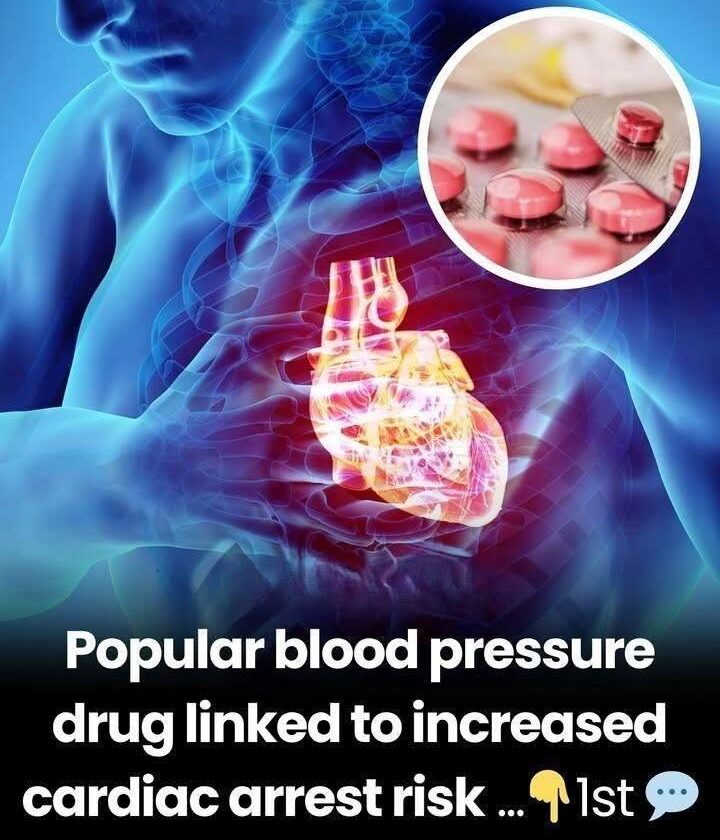
Headlines claiming that a popular blood pressure medication is linked to a higher risk of cardiac arrest can be alarming, but they need careful interpretation. A medication being associated with a risk in a study does not always mean the drug directly causes the problem.
Blood pressure medicines are prescribed because uncontrolled high blood pressure itself is a major risk factor for heart attack, stroke, and sudden cardiac events.
Which blood pressure medicines have been studied?
Some research has examined whether certain blood pressure drugs may influence heart rhythm or cardiac arrest risk in specific groups of patients. Concerns have included:
1. Calcium channel blockers
Examples:
- Amlodipine
- Diltiazem
- Verapamil
These medicines affect blood vessel relaxation and, in some cases, heart rate or electrical conduction (especially diltiazem and verapamil). Amlodipine is generally considered to have a low risk of serious rhythm effects.
2. Medicines affecting potassium levels
Some blood pressure drugs can change electrolyte balance, and abnormal potassium levels can increase the risk of dangerous heart rhythms.
Examples include:
- Certain diuretics (“water pills”)
- ACE inhibitors
- ARBs
People with kidney problems or those taking multiple medications may need closer monitoring.
What should you do if you take blood pressure medicine?
✅ Do not stop your medication suddenly without medical advice. Stopping can cause blood pressure to rise and increase cardiovascular risk.
✅ Ask your healthcare professional about:
- Your specific medication and dose
- Your heart rhythm history
- Kidney function and electrolyte levels
- Possible interactions with other medicines or supplements