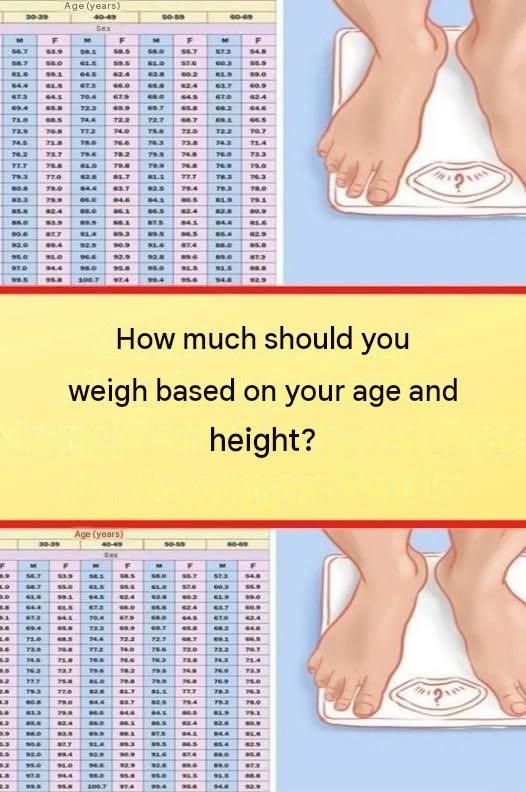
Finding Your “Ideal” Weight: What BMI Can (and Can’t) Tell You
The idea of an ideal weight is not a single number. A healthy weight depends on many factors, including:
- Height
- Age
- Sex
- Muscle mass
- Bone structure
- Body shape
- Overall health and activity level
One common screening tool is Body Mass Index (BMI), which compares weight to height.
BMI categories for adults
| BMI | Category |
|---|---|
| Below 18.5 | Underweight |
| 18.5–24.9 | Generally considered a healthy range |
| 25–29.9 | Overweight |
| 30 or higher | Obesity range |
BMI formula:
BMI = weight (kg) ÷ height² (m²)
Example
A person who is:
- Height: 1.70 meters
- Weight: 65 kilograms
BMI = 65 ÷ (1.70 × 1.70) ≈ 22.5
This falls within the commonly used healthy BMI range.
Why BMI is not the whole story
BMI does not distinguish between:
- Muscle and fat.
- Where body fat is stored.
- Fitness level.
- Differences among individuals and populations.
For example, a muscular person may have a higher BMI but still have good health markers.
Other useful measures
Healthcare professionals may also consider:
- Waist circumference (abdominal fat is linked with health risks).
- Blood pressure.
- Blood sugar levels.
- Cholesterol levels.
- Physical fitness and lifestyle.
Bottom line: BMI can provide a general estimate, but the healthiest weight is one that supports good energy, mobility, and overall health rather than a number on a scale alone. If you provide your height, weight, age, and sex, I can help estimate your BMI range.