That’s true — bananas change quite a bit as they ripen! 🍌 The color, sweetness, texture, and even some nutritional qualities shift over time.
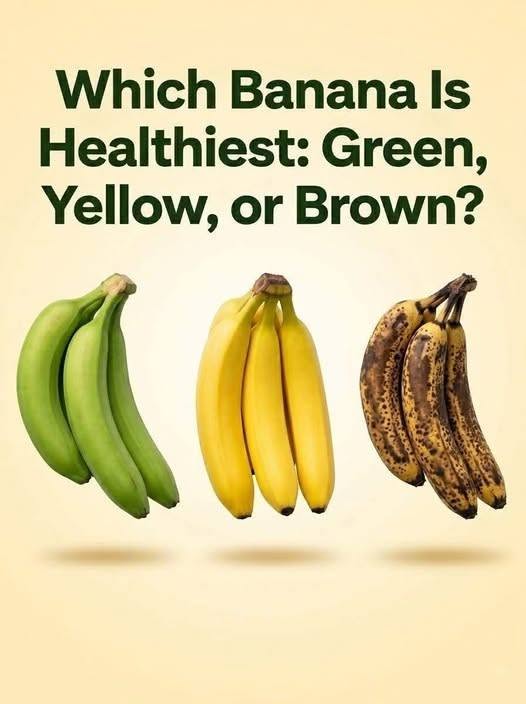
🍌 Green bananas
- Taste: Mild, starchy, less sweet.
- Texture: Firm and sometimes slightly chewy.
- Nutrition: Higher in resistant starch, a type of carbohydrate that acts somewhat like fiber and may support gut health.
- Best for: Cooking, adding to smoothies if you prefer less sweetness, or for people who want a slower-digesting carbohydrate.
🍌 Yellow bananas
- Taste: Sweeter and more familiar.
- Texture: Softer and easier to digest.
- Nutrition: Some resistant starch has converted into natural sugars, making them sweeter while still providing fiber, potassium, and vitamins.
- Best for: Eating as a snack or adding to breakfast.
🍌 Spotted or very ripe bananas
- Taste: Very sweet with a stronger banana flavor.
- Texture: Soft and creamy.
- Nutrition: The starch has mostly broken down into sugars, which can make them easier to digest.
- Best for: Baking (banana bread, muffins), oatmeal, or smoothies.
A few things that don’t change much:
- A banana’s calories remain roughly similar as it ripens.
- It still provides nutrients like potassium, vitamin B6, vitamin C, and fiber.
- Brown spots do not mean the banana is unhealthy or “full of sugar” — they mostly indicate ripening.
Tip: If you want bananas to last longer, keep them away from other ripe fruit and store them at room temperature until they reach your preferred stage. Once ripe, refrigeration can slow further ripening (though the peel may darken).