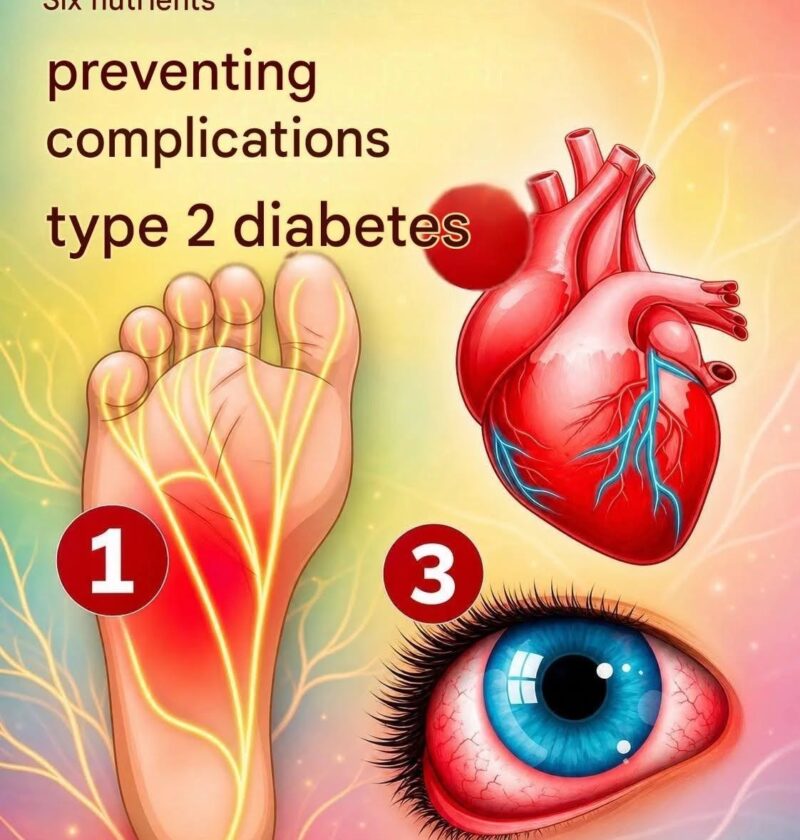
No nutrient can prevent diabetes complications on its own, but getting enough of certain nutrients can help support overall health and may reduce the risk of complications as part of a healthy diet, regular exercise, blood sugar control, and appropriate medical care.
Here are six nutrients that are often discussed:
- Fiber
- Helps slow glucose absorption, improves blood sugar control, and supports heart health.
- Sources: Whole grains, beans, lentils, vegetables, fruits, nuts, and seeds.
- Omega-3 fatty acids
- Support heart health, which is especially important because diabetes increases cardiovascular risk.
- Sources: Salmon, sardines, mackerel, walnuts, flaxseeds, and chia seeds.
- Magnesium
- Plays a role in insulin function and blood sugar regulation.
- Sources: Leafy greens, nuts, seeds, beans, and whole grains.
- Potassium
- Helps support healthy blood pressure, an important factor in reducing diabetes complications.
- Sources: Beans, potatoes, bananas, spinach, yogurt, and avocados.
- Vitamin D
- Important for bone health and immune function. Some people with diabetes have low vitamin D levels, but supplementation has not consistently been shown to prevent diabetes complications.
- Sources: Sunlight exposure, fortified dairy products, fatty fish, and supplements if recommended.
- Vitamin B12
- People taking metformin for a long time can develop vitamin B12 deficiency, which may contribute to nerve symptoms.
- Sources: Meat, fish, eggs, dairy products, and fortified cereals. Your healthcare provider may recommend periodic B12 testing if you’re on long-term metformin.
The biggest factors in preventing complications
Research consistently shows that the most effective ways to reduce the risk of diabetes complications are:
- Keeping blood sugar in your target range.
- Managing blood pressure and cholesterol.
- Not smoking.
- Staying physically active.
- Eating a balanced, fiber-rich diet.
- Taking prescribed medications as directed.
- Getting regular eye exams, foot checks, and kidney function tests.
No vitamin or supplement can replace these measures, and high-dose supplements can sometimes be harmful. If you’re considering a supplement, it’s best to discuss it with your healthcare provider, especially if you have kidney disease or take multiple medications.