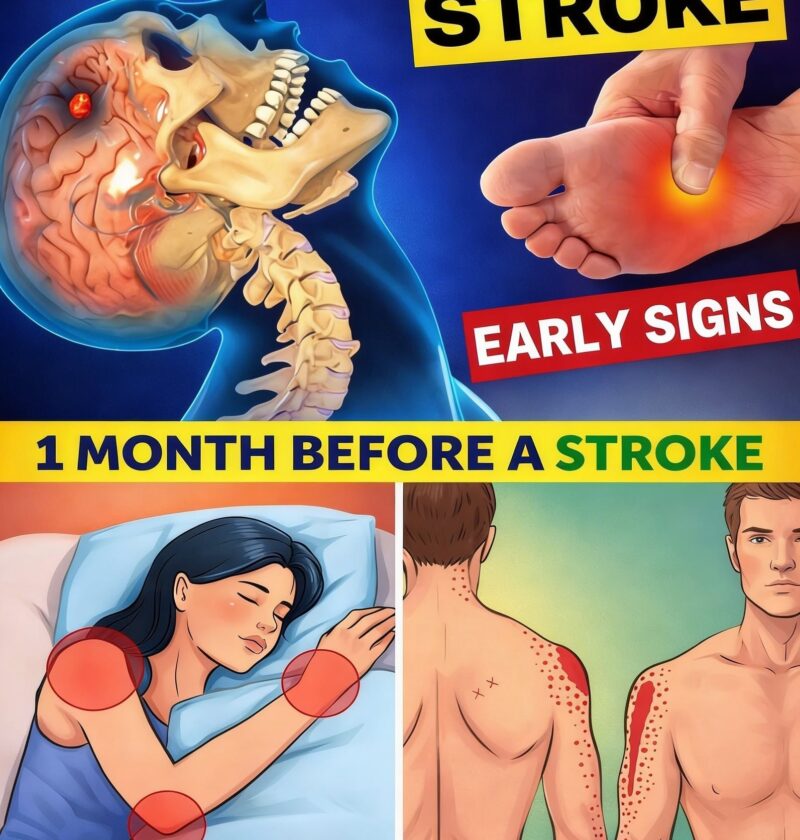
A stroke can sometimes be preceded by warning signs, but it is important to know that many strokes happen suddenly without a long warning period. Some people experience a transient ischemic attack (TIA)—a temporary blockage of blood flow to the brain—days or weeks before a stroke. A TIA is a medical warning sign and needs urgent evaluation.
8 possible warning signs that may occur before a stroke
- Brief episodes of weakness or numbness
- Especially on one side of the face, arm, or leg.
- Sudden speech or language problems
- Trouble speaking, understanding words, or finding the right words.
- Temporary vision changes
- Blurred vision, double vision, or loss of vision in one eye.
- Dizziness or loss of balance
- Unexplained coordination problems or difficulty walking.
- Sudden, severe headaches
- Especially if unusual for the person and accompanied by other symptoms.
- Confusion or trouble concentrating
- Episodes of unusual confusion or difficulty processing information.
- Facial drooping
- One side of the face may feel weak or appear uneven.
- Unusual fatigue or a decline in daily function
- Persistent changes in energy or ability to perform normal activities should be discussed with a healthcare professional, especially if accompanied by other neurological symptoms.
9 ways to reduce stroke risk
- Control blood pressure
- High blood pressure is one of the strongest stroke risk factors.
- Manage cholesterol levels
- Follow your healthcare provider’s recommendations for diet, lifestyle, and medications if prescribed.
- Control diabetes
- Keeping blood sugar in a healthy range helps protect blood vessels.
- Avoid smoking
- Smoking greatly increases stroke risk.
- Exercise regularly
- Aim for consistent physical activity suited to your health level.
- Eat a heart-healthy diet
- Emphasize vegetables, fruits, whole grains, beans, nuts, and lean proteins while limiting excess salt and highly processed foods.
- Maintain a healthy weight
- A healthy weight can improve blood pressure, cholesterol, and blood sugar.
- Limit alcohol
- Excess alcohol intake can raise stroke risk.
- Treat heart conditions
- Conditions such as atrial fibrillation can increase stroke risk and may require specific treatment.
Remember FAST for stroke emergencies:
- F — Face: Does one side droop?
- A — Arms: Is one arm weak or numb?
- S — Speech: Is speech strange or slurred?
- T — Time: Call emergency services immediately.
Even if symptoms disappear after a few minutes, they may indicate a TIA and should not be ignored. Early medical assessment can help prevent a future stroke.