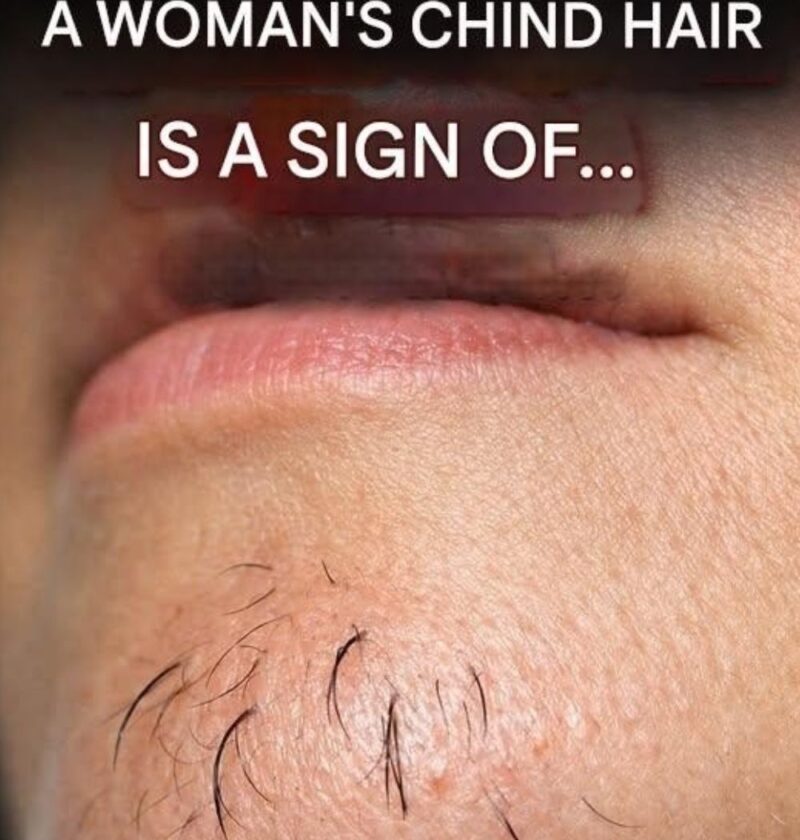
Chin hair growth in women is usually a form of hirsutism, which means increased coarse or dark hair in areas where men typically grow hair (like chin, upper lip, chest). It’s not just about hair itself—it’s usually a signal of hormone balance, especially androgens (male-type hormones that women also naturally produce in small amounts).
Both stress and diet can influence this, but usually indirectly by affecting hormones and metabolism.
1. Stress and chin hair growth
Stress doesn’t directly “create” hair, but it can shift hormone balance in ways that make hirsutism more noticeable:
- Cortisol spikes: Chronic stress increases cortisol. This can disrupt the hypothalamus–pituitary–ovary axis, which helps regulate female hormones.
- Androgen imbalance: When stress is long-term, it may contribute to relatively higher androgen activity in some women, which can trigger coarser facial hair growth.
- Insulin resistance link: Stress can worsen insulin sensitivity, and higher insulin levels can stimulate ovarian androgen production.
- Hair cycle changes: Stress can also disrupt normal hair cycles, sometimes making existing facial hairs appear thicker or more noticeable.
Stress alone is rarely the root cause, but it can worsen an underlying hormonal tendency.
2. Diet and chin hair growth
Diet affects hormones mainly through insulin, inflammation, and body fat regulation:
High-impact dietary factors:
- High-glycemic foods (sugary/processed carbs):
Can increase insulin → insulin may stimulate androgen production in ovaries. - Excess body weight:
Fat tissue can increase conversion of hormones into androgens. - Low nutrient intake:
Deficiencies in nutrients like vitamin D, zinc, and magnesium may worsen hormonal regulation (not a direct cause, but a contributing factor).
Helpful dietary patterns:
- Balanced, low-glycemic diet (whole grains, vegetables, protein)
- Healthy fats (nuts, olive oil, fish)
- Fiber-rich foods to improve insulin control
Diet doesn’t “grow hair” by itself, but it can strongly influence the hormonal environment that does.
3. The most common underlying cause
In many women, chin hair is linked to Polycystic Ovary Syndrome (PCOS), which involves:
- Higher androgen levels
- Irregular periods
- Insulin resistance (in many cases)
Another related condition is Hirsutism, which is the symptom itself (not a disease cause), often triggered by hormonal imbalance.
4. When stress + diet matter most
They matter more if:
- Hair growth is new or rapidly increasing
- You also have acne, weight gain, or irregular periods
- There is a family history of hormonal issues
In these cases, lifestyle factors don’t “cause” the condition alone, but they can make it worse or more visible.
5. Key takeaway
- Stress → mainly affects hormones indirectly (cortisol + insulin pathways)
- Diet → influences insulin and androgen activity
- Both usually amplify underlying hormonal sensitivity rather than directly causing chin hair
If you want, tell me your age, whether your periods are regular, and how fast the hair growth started—I can help narrow down whether it sounds more like lifestyle-related changes or something like PCOS-related hirsutism.