Water Retention: What Causes It and How to Reduce It Naturally
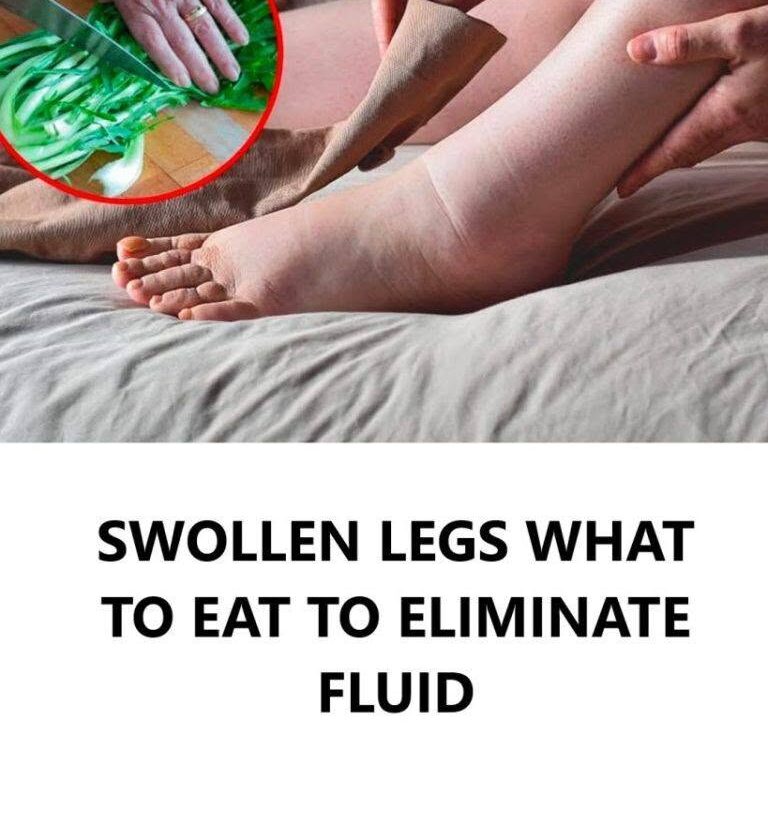
Water retention (also called fluid retention or edema) happens when excess fluid builds up in the body’s tissues. It can cause swelling, puffiness, or a “bloated” feeling—commonly in the hands, feet, legs, or face.
It’s usually not dangerous on its own, but sometimes it can signal an underlying health issue.
🧠 What Is Water Retention?
Water retention occurs when your body:
- Holds onto more fluid than normal
- Has trouble balancing sodium and water levels
- Experiences changes in circulation or hormones
Mild cases are very common and often temporary.
⚠️ Common Causes of Water Retention
🧂 1. High Salt Intake
Too much sodium makes the body hold extra water to balance salt levels.
Common sources:
- Processed foods
- Fast food
- Packaged snacks
🪑 2. Sitting or Standing Too Long
Poor circulation can cause fluid to pool in the lower legs and feet.
🌡️ 3. Hormonal Changes
Hormones can strongly influence fluid balance, especially:
- Menstrual cycle changes
- Pregnancy
- Hormonal fluctuations
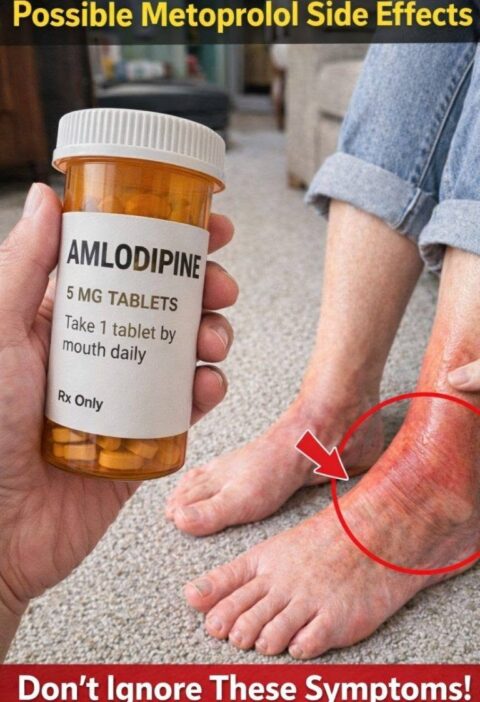
💊 4. Certain Medications
Some medicines may cause swelling as a side effect, including:
- Blood pressure medications
- Anti-inflammatory drugs
- Steroid medications
🫀 5. Medical Conditions
In some cases, fluid retention may be linked to conditions such as:
- Heart failure
- Kidney disease
- Liver problems
- Venous insufficiency
These require medical evaluation.
☀️ 6. Heat and Weather
Hot weather can cause blood vessels to expand, leading to temporary swelling.
💡 Symptoms of Water Retention
You may notice:
- Swollen ankles, feet, or hands
- Puffy face or eyelids
- Tight or shiny skin
- Weight fluctuations in a short time
- Indentations when pressing skin (pitting edema)
🧪 How to Reduce Water Retention Naturally
💧 1. Drink More Water
It sounds counterintuitive, but dehydration makes the body hold onto fluid.
🧂 2. Reduce Salt Intake
Cut back on processed foods and salty snacks to help balance fluid levels.
🥗 3. Eat Potassium-Rich Foods
Potassium helps regulate sodium balance.
Examples:
- Bananas
- Spinach
- Avocados
- Sweet potatoes
🚶 4. Stay Active
Movement improves circulation and helps reduce swelling in the legs.
🛏️ 5. Elevate Your Legs
Raising your legs above heart level can reduce lower-body swelling.
☕ 6. Limit Alcohol and Sugary Drinks
These can disrupt fluid balance and increase bloating.
🧘 7. Manage Stress
Stress hormones can influence fluid retention in some people.
⚠️ When Water Retention Is Serious
Seek medical attention if you notice:
- Sudden or severe swelling
- Shortness of breath
- Chest pain
- Swelling in only one leg
- Rapid weight gain in a short time
These may indicate a serious condition such as Heart failure or blood clots.
🧾 Bottom Line
Water retention is usually temporary and related to diet, hormones, or lifestyle habits. Simple changes like reducing salt, staying active, and drinking enough water can often help. However, persistent or severe swelling should always be evaluated by a healthcare professional.
If you want, I can turn this into a viral blog post, SEO-optimized article with keywords, or a short social