Recipe

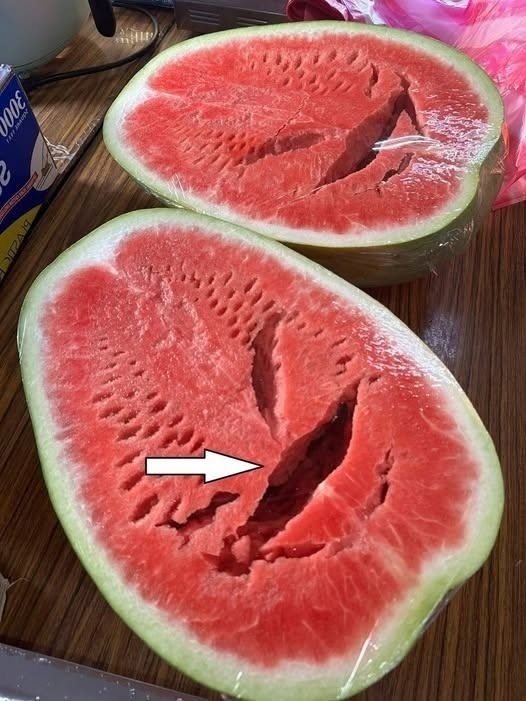
You Cut Open a Watermelon and Saw Cracks? Here’s What It Usually Means You may have seen social media posts claiming: “If a watermelon has cracks inside, stop eating it immediately!” In reality, internal cracks in a watermelon do not automatically mean it is dangerous to eat. What Causes Cracks Inside a Watermelon? Internal cracking is usually related to growing conditions, such as: Rapid growth after heavy rainfall or sudden watering Temperature fluctuations during development Natural variations in pollination and fruit growth The flesh can sometimes split as the fruit expands faster than its internal structure can accommodate. Are Cracks a Sign of Chemicals or Injection? A common myth is that internal cracks prove a watermelon was injected with chemicals or growth hormones. There is no reliable evidence that cracks alone indicate chemical injection. Watermelons can develop internal splits naturally during growth. When Should You Avoid Eating It? You should discard a watermelon if it shows signs of spoilage, such as: Sour, fermented, or unpleasant odor Slimy or mushy texture Mold growth Unusual discoloration associated with decay These are much better indicators of spoilage than cracks by themselves. Is It Safe to Eat a Cracked Watermelon? If the watermelon: Smells fresh Tastes normal Shows no mold or spoilage then internal cracking alone is usually a quality issue rather than a safety issue. The texture may be less crisp, but the fruit is often still edible. Bottom Line Seeing cracks inside a watermelon can be surprising, but it is not automatically a reason to throw it away. Internal cracking is commonly caused by natural growing conditions. The real signs to watch for are spoilage, mold, bad odors, or unusual texture. Use your senses—smell, appearance, and texture—rather than viral warnings to determine whether a watermelon is safe to eat. 🍉


You Cut Open a Watermelon and Saw Cracks? Here’s What It Usually MeansYou may have seen social media posts claiming:

“If a watermelon has cracks inside, stop eating it immediately!”

In reality, internal cracks in a watermelon do not automatically mean it is dangerous to eat.

What Causes Cracks Inside a Watermelon?

Internal cracking is usually related to growing conditions, such as:

  • Rapid growth after heavy rainfall or sudden watering
  • Temperature fluctuations during development
  • Natural variations in pollination and fruit growth

The flesh can sometimes split as the fruit expands faster than its internal structure can accommodate.

Are Cracks a Sign of Chemicals or Injection?

A common myth is that internal cracks prove a watermelon was injected with chemicals or growth hormones.

There is no reliable evidence that cracks alone indicate chemical injection. Watermelons can develop internal splits naturally during growth.

When Should You Avoid Eating It?

You should discard a watermelon if it shows signs of spoilage, such as:

  • Sour, fermented, or unpleasant odor
  • Slimy or mushy texture
  • Mold growth
  • Unusual discoloration associated with decay

These are much better indicators of spoilage than cracks by themselves.

Is It Safe to Eat a Cracked Watermelon?

If the watermelon:

  • Smells fresh
  • Tastes normal
  • Shows no mold or spoilage

then internal cracking alone is usually a quality issue rather than a safety issue.

The texture may be less crisp, but the fruit is often still edible.

Bottom Line

Seeing cracks inside a watermelon can be surprising, but it is not automatically a reason to throw it away. Internal cracking is commonly caused by natural growing conditions. The real signs to watch for are spoilage, mold, bad odors, or unusual texture.

Use your senses—smell, appearance, and texture—rather than viral warnings to determine whether a watermelon is safe to eat. 🍉
Leave a Reply

Your email address will not be published. Required fields are marked *