The Most Parasite-Contaminated Vegetable? What Experts Say
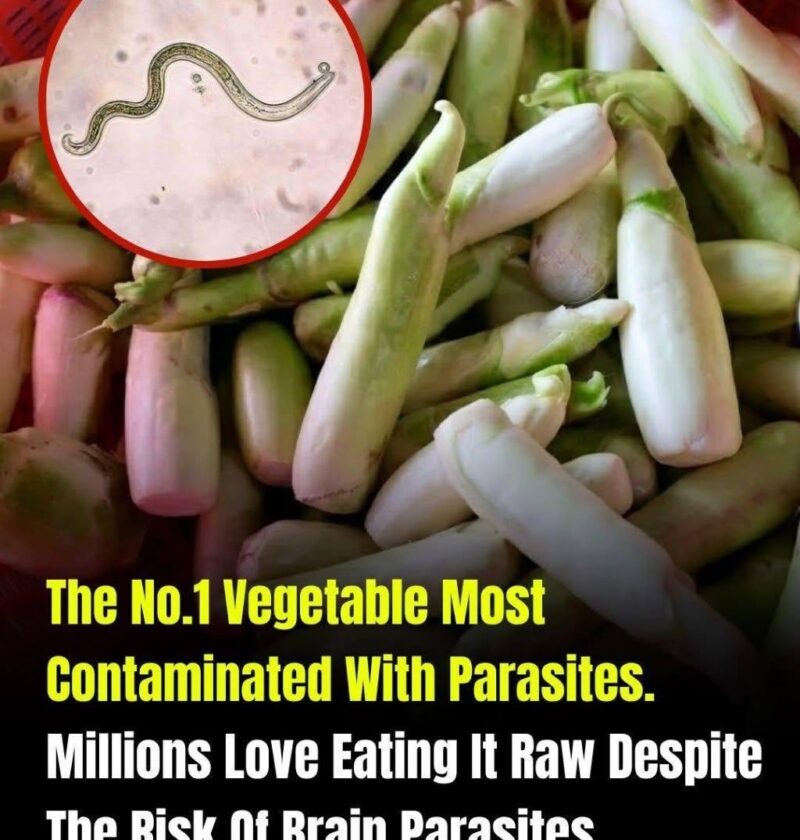
Headlines claiming that there is one “most parasite-contaminated vegetable” are misleading. No single vegetable is always the riskiest. The risk depends on how the food is grown, handled, transported, and washed.
Raw vegetables can sometimes carry parasites, bacteria, or viruses if they come into contact with contaminated soil, water, or manure.
Vegetables Commonly Linked to Foodborne Parasites
Leafy greens are among the vegetables that receive the most attention because they are often eaten raw.
Examples include:
- Lettuce
- Spinach
- Cabbage
- Kale
- Mixed salad greens
Fresh herbs such as parsley and coriander may also carry contaminants if they are not washed properly.
How Do Parasites Get Onto Vegetables?
Vegetables may become contaminated through:
- Irrigation with contaminated water
- Contact with animal or human waste
- Poor hygiene during harvesting or packaging
- Improper handling in kitchens
Parasites that have been linked to fresh produce in some outbreaks include organisms such as Giardia, Cryptosporidium, and Cyclospora, although these are relatively uncommon in many countries.
Should You Stop Eating Raw Vegetables?
No. Vegetables are an important part of a healthy diet and provide:
- Fibre
- Vitamins
- Minerals
- Antioxidants
The health benefits of eating vegetables greatly outweigh the risk of contamination when they are handled safely.
How to Reduce the Risk
Wash Produce Thoroughly
- Rinse vegetables under clean running water.
- Rub firm vegetables gently while rinsing.
- Separate leaves of lettuce or cabbage and rinse individually.
Remove Damaged Leaves
Discard outer leaves that are wilted, dirty, or damaged.
Wash Your Hands
Wash your hands before and after handling fresh produce.
Prevent Cross-Contamination
Keep raw vegetables away from raw meat, poultry, seafood, and their juices.
Refrigerate Properly
Store fresh vegetables at the appropriate temperature and use them before they spoil.
Who Should Be Extra Careful?
People at higher risk of serious illness include:
- Older adults
- Pregnant women
- Young children
- People with weakened immune systems
These individuals should pay particular attention to food hygiene and follow local food safety advice.
Symptoms of a Foodborne Parasitic Infection
Depending on the parasite, symptoms may include:
- Diarrhoea
- Stomach cramps
- Nausea
- Vomiting
- Bloating
- Fatigue
- Weight loss
If symptoms are severe, persistent, or occur after travel or a known exposure, seek medical advice.