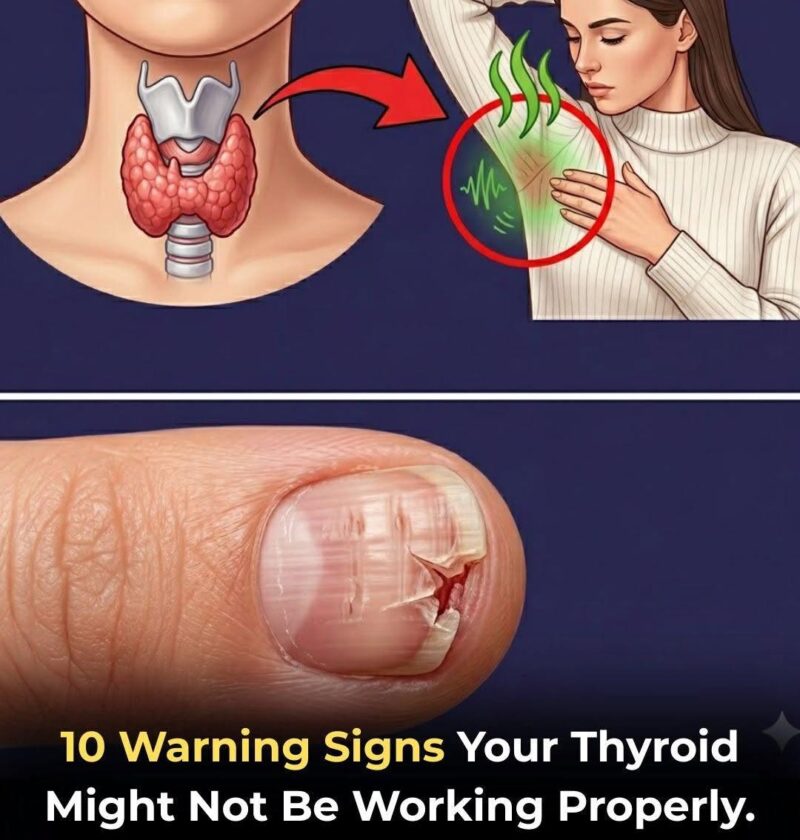
The thyroid is a small gland in the neck that controls metabolism. Disorders include underactive thyroid (hypothyroidism) and overactive thyroid (hyperthyroidism), such as Hashimoto Thyroiditis and Graves Disease.
1. Immune system differences
Women naturally have stronger immune responses than men. That helps fight infections, but it also increases the risk of autoimmune diseases, where the body attacks its own tissues.
Most thyroid diseases in women are autoimmune:
- Hashimoto’s thyroiditis (low thyroid function)
- Graves’ disease (overactive thyroid)
2. Hormonal influence
Female hormones (especially estrogen and progesterone) interact with the immune system and thyroid function.
- Hormonal changes can affect thyroid sensitivity
- Thyroid issues often appear during puberty, pregnancy, or menopause
3. Pregnancy and postpartum changes
Pregnancy puts extra demand on the thyroid because it supports both mother and baby.
After childbirth, some women develop:
- Postpartum thyroiditis (temporary thyroid inflammation)
- Increased risk of long-term thyroid disease
4. Genetic factors
Thyroid disorders tend to run in families, and autoimmune conditions are more common in women across generations.
5. Higher autoimmune risk in general
Women are more likely to have multiple autoimmune conditions, such as:
- Type 1 diabetes
- Lupus
- Rheumatoid arthritis
6. Detection bias (important point)
Women are also:
- More likely to get tested for symptoms like fatigue or weight changes
- More likely to be diagnosed earlier
So part of the difference is also better detection, not just higher occurrence.
Common thyroid symptoms in women
- Fatigue
- Weight changes
- Hair thinning
- Irregular periods
- Anxiety or depression
- Feeling cold or heat intolerance