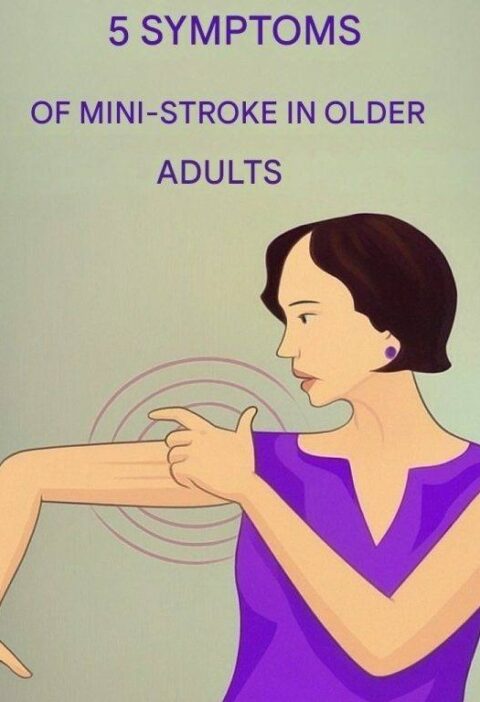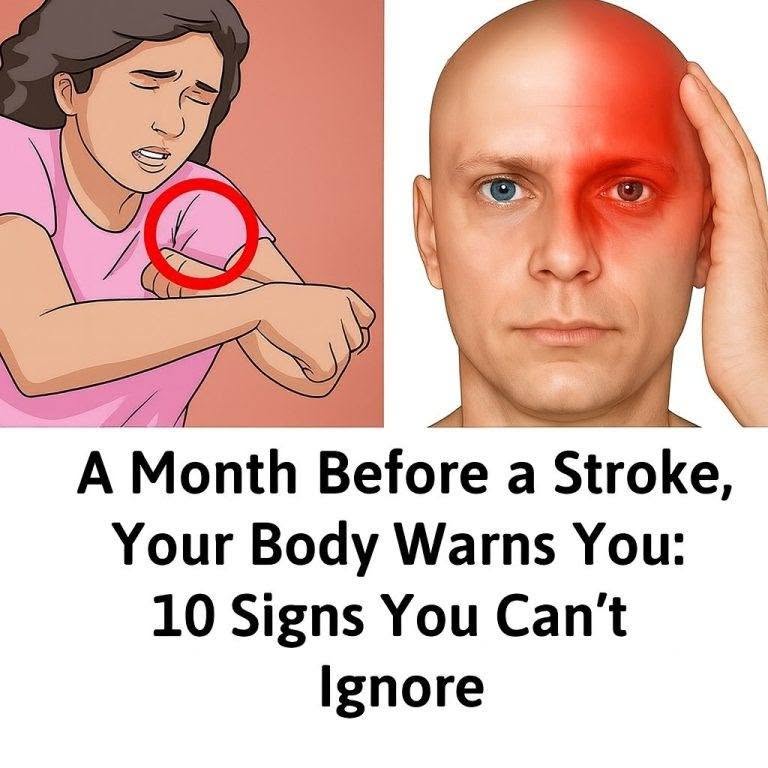
A stroke usually happens suddenly, and there is no validated list of 10 symptoms that reliably appear a month beforehand. What can happen is that some people experience a warning event called a Transient Ischemic Attack (TIA), which is sometimes called a “mini-stroke.”
Real warning signs that require urgent attention
Symptoms of a TIA or stroke can include:
- Sudden weakness or numbness on one side of the body
- Sudden facial drooping
- Sudden difficulty speaking or understanding speech
- Sudden vision loss or blurred vision
- Sudden dizziness, loss of balance, or trouble walking
- Sudden severe headache with no obvious cause
These symptoms may last only a few minutes and then disappear, but they should never be ignored.
Why viral “1 month before” lists are problematic
Many articles include vague symptoms such as:
- Fatigue
- Headaches
- Poor sleep
- Anxiety
- General dizziness
These symptoms are common and usually have causes unrelated to stroke. They are not reliable predictors of a stroke occurring a month later.
What actually reduces stroke risk
Evidence-based prevention includes:
- Controlling high blood pressure
- Not smoking
- Managing diabetes
- Treating high cholesterol
- Exercising regularly
- Maintaining a healthy weight
- Limiting excessive alcohol intake
- Managing conditions like Atrial Fibrillation
- Eating a heart-healthy diet
- Taking prescribed medications as directed
Bottom line
Your body does not typically provide a clear “one month warning” before a stroke. The most important warning signs are sudden neurological symptoms, especially those of a TIA, which require immediate medical attention because they can precede a major stroke.