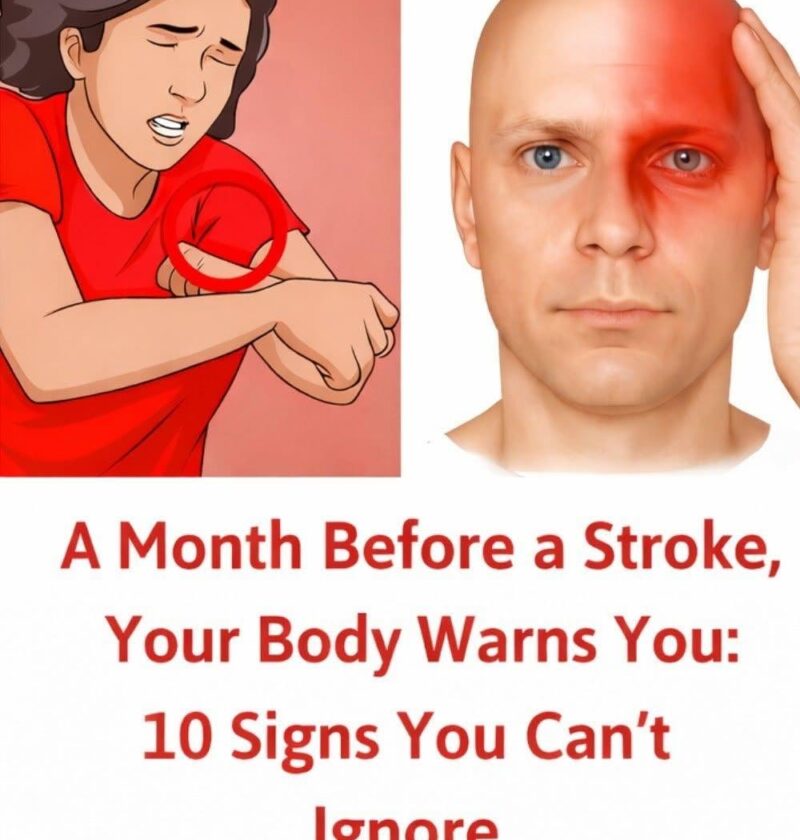
A stroke can sometimes be preceded by warning signs, but there is no reliable “one month before” checklist that can predict every stroke. Some people experience symptoms of a transient ischemic attack (TIA, or “mini-stroke”) days, weeks, or even longer before a major stroke. A TIA is a medical warning sign and needs urgent evaluation.
10 warning signs that should not be ignored
- Sudden weakness or numbness
- Especially on one side of the face, arm, or leg.
- Drooping on one side of the face
- A smile may look uneven or one side may feel weak.
- Trouble speaking or understanding speech
- Slurred words, confusion, or difficulty finding words.
- Sudden vision changes
- Blurry vision, double vision, or loss of vision in one or both eyes.
- Sudden dizziness or loss of balance
- Trouble walking, coordination problems, or feeling unusually unsteady.
- A sudden, severe headache
- Especially a headache that is unusual, comes on quickly, or occurs with other neurological symptoms.
- Temporary symptoms that disappear
- Weakness, speech problems, or vision changes that resolve after a few minutes can still be a TIA.
- New confusion or difficulty thinking
- Sudden trouble understanding situations or following conversations.
- Difficulty swallowing
- New problems with swallowing or controlling saliva can be a neurological warning sign.
- Unusual fatigue or weakness
- Persistent, unexplained changes in energy can have many causes, but sudden or significant changes should be assessed—especially with other symptoms.
Remember the FAST warning signs
- F — Face: Is one side of the face drooping?
- A — Arms: Is one arm weak or numb?
- S — Speech: Is speech strange or difficult?
- T — Time: Call emergency services immediately.
If any stroke-like symptoms appear suddenly, even if they go away, seek emergency medical help right away. Fast treatment can greatly reduce the risk of serious disability.