Viral Optical Illusion Personality Test Meaning – What You See First Reveals Hidden Traits
🔍 The Rise of Viral “First Animal You See” Psychology Images
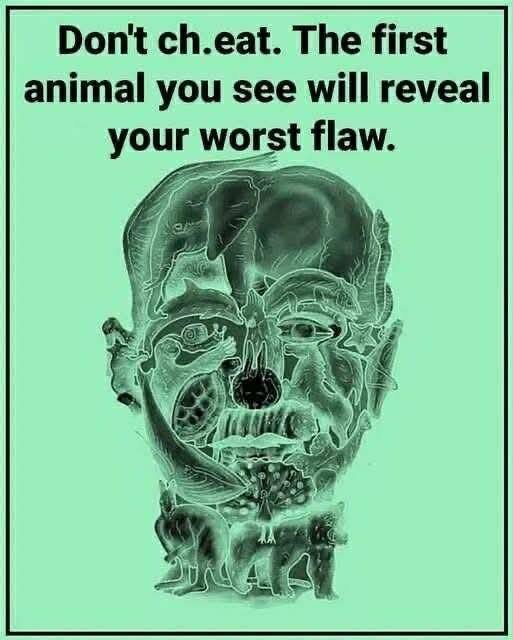
In today’s social media world, viral optical illusion challenges have become one of the most engaging forms of entertainment. You’ve likely come across them while scrolling—black-and-white drawings filled with hidden shapes, animals, and layered visuals designed to trick your eyes and mind.
These images often come with a bold claim:
“Don’t overthink it. The first animal you see reveals your biggest personality flaw.”
This instantly grabs attention because it mixes curiosity, self-reflection, and mystery psychology. People naturally want to understand themselves better, and these visual personality tests promise quick insight in just a few seconds.
Even though they are not scientifically validated, they remain extremely popular due to their entertainment value and psychological appeal.
👁️ Why Optical Illusion Personality Tests Go Viral on Social Media
The popularity of these illusion-based personality quizzes is no accident. Several psychological triggers make them irresistible:
1. Curiosity Bias in Human Psychology
Humans are naturally curious about themselves. When an image promises to reveal your “hidden flaw,” your brain wants closure immediately.
2. Instant Gratification Content
Unlike long personality assessments, these tests require only a few seconds. This makes them perfect for platforms like Instagram, TikTok, and Facebook.
3. Pattern Recognition Instinct
The human brain is wired to detect patterns. When faced with abstract visuals, it tries to “force meaning” even when none is objectively defined.
4. Social Sharing Behavior
People love comparing results with friends:
- “What did you see first?”
- “That’s so accurate for me!”
This creates viral engagement loops.
🧩 How the “First Animal You See” Test Works (Psychological Explanation)
These images are typically designed using ambiguous visual layering techniques, where multiple animals or objects are hidden within a single illustration.
Depending on:
- Focus point
- Eye movement direction
- Cognitive interpretation speed
…different people may notice different animals first.
Common interpretations include:
- Snake → hidden fears or cautious personality
- Owl → analytical thinking or overthinking tendencies
- Horse → strong willpower or stubbornness
- Bird → desire for freedom or escape
However, it is important to understand that these interpretations are symbolic and not scientifically proven personality diagnostics.
🧠 What Psychologists Say About These Viral Personality Illusions
Experts in cognitive psychology often categorize these tests as projective perception exercises rather than real personality assessments.
Here’s what that means:
- Your brain interprets vague images based on past experiences
- Emotional state can influence what you notice first
- Cultural symbolism plays a major role in interpretation
In simple terms, what you “see first” may say more about your attention pattern than your personality flaws.
Still, these illusions remain useful for:
- Self-reflection
- Entertainment
- Light psychological discussion
🌐 Why People Believe These Tests Reveal Personality Flaws
The phrase “your worst flaw” is intentionally emotional and provocative. It triggers:
- Self-evaluation behavior
- Fear of missing hidden truths
- Desire for personal insight
This is a classic example of Barnum effect psychology, where vague statements feel personally accurate even though they apply broadly to many people.
For example:
- “You sometimes overthink situations” applies to most people
- “You are independent but emotionally sensitive” is universally relatable
🧠 Digital Psychology Behind Viral Optical Illusions
These personality illusions thrive because they combine three powerful elements:
✔ Visual confusion
The brain struggles to decode overlapping shapes.
✔ Emotional curiosity
People want to understand their “hidden self.”
✔ Instant feedback loop
You get an answer in seconds, which feels rewarding.
This combination is why these images spread rapidly across social platforms and remain trending in 2025–2026 digital content cycles.
📊 Are These Personality Tests Accurate?
Short answer: No, not scientifically.
They are:
- Not clinically validated
- Not based on standardized psychology assessments
- Not reliable for diagnosing personality traits
However, they are:
- Fun to engage with
- Useful for sparking conversation
- Helpful for light self-reflection
Think of them as entertainment psychology, not diagnostic tools.
🧭 SEO Insight: Why People Search for “First Animal You See Meaning”
Popular search queries include:
- “first animal you see personality test meaning”
- “optical illusion what do you see first psychology”
- “viral illusion test hidden personality flaw”
- “snake owl horse personality meaning”
These keywords reflect growing interest in quick psychological entertainment content across social media platforms.
📌 Source Note
This article is based on widely circulated viral optical illusion personality test trends and general cognitive psychology principles related to perception, pattern recognition, and the Barnum effect.
🧠 Part 2: Simple Explanation of the Viral Optical Illusion Test (Quick Version)
🐍 What You See First Meaning (Simple Guide)
- Snake first: You may be cautious, alert, or sensitive to betrayal
- Owl first: You may be thoughtful, observant, and analytical
- Horse first: You may be strong-minded, independent, and determined
- Bird first: You may value freedom and dislike restrictions
🧩 Quick Summary
- These images are fun personality illusions
- Your brain chooses what stands out first
- Results are symbolic, not scientific
⚡ Final Thought
The “first animal you see” trend is less about revealing your true flaws and more about how your brain processes visual information. It’s a fun mix of psychology, entertainment, and social media engagement—not a real personality diagnosis tool.
If you want, I can also turn this into:
- A blog post (SEO-ready for Google ranking)
- A YouTube script
- Or a Facebook/Instagram viral caption version