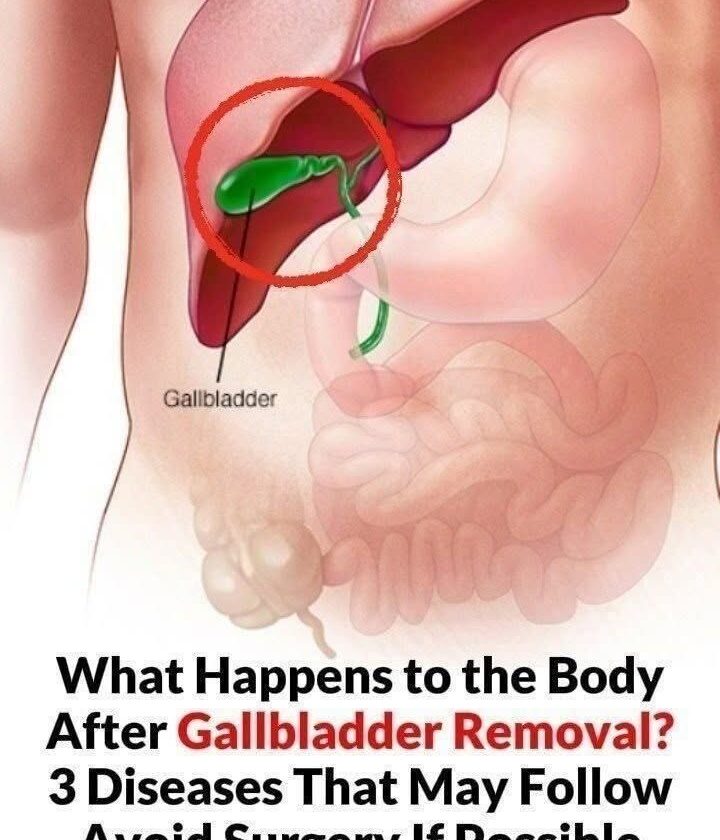
Cholecystectomy (gallbladder removal) is one of the most common surgeries worldwide and is often the recommended treatment for symptomatic gallstones or certain gallbladder diseases. When it’s medically indicated, avoiding surgery can sometimes be riskier than having it.
What happens after gallbladder removal?
The liver still produces bile, but instead of being stored in the gallbladder, bile flows more continuously into the intestine.
Most people recover well and live normal lives afterward.
Some conditions that can occur after surgery
1. Diarrhea or digestive changes
A small percentage of people develop:
- More frequent bowel movements
- Loose stools, especially after fatty meals
This is often temporary, though it can persist in some cases.
2. Post-cholecystectomy syndrome
Some people continue to have:
- Abdominal pain
- Bloating
- Indigestion
The symptoms may be due to other digestive issues rather than the absence of the gallbladder itself.
3. Bile reflux (less common)
Bile may flow backward into the stomach, causing:
- Upper abdominal discomfort
- Nausea
- Heartburn-like symptoms
This is much less common than ordinary acid reflux.
Why surgery is still often recommended
Gallbladder removal may be necessary for conditions such as:
- Symptomatic gallstones
- Gallbladder inflammation
- Certain gallbladder complications
Untreated gallbladder disease can lead to serious problems, including infection, pancreatitis, or blockage of bile ducts.
Bottom line
Gallbladder removal can have side effects and complications, but claims that it should generally be avoided are not supported by medical evidence. The decision depends on the individual’s condition, symptoms, and risks. If a doctor recommends surgery, it’s usually because the expected benefits outweigh the risks.
If you’re considering gallbladder surgery or have been advised to have it, I can explain the usual indications, risks, and alternatives in more detail.