After Gallbladder Removal: Possible Changes and What You Should Know
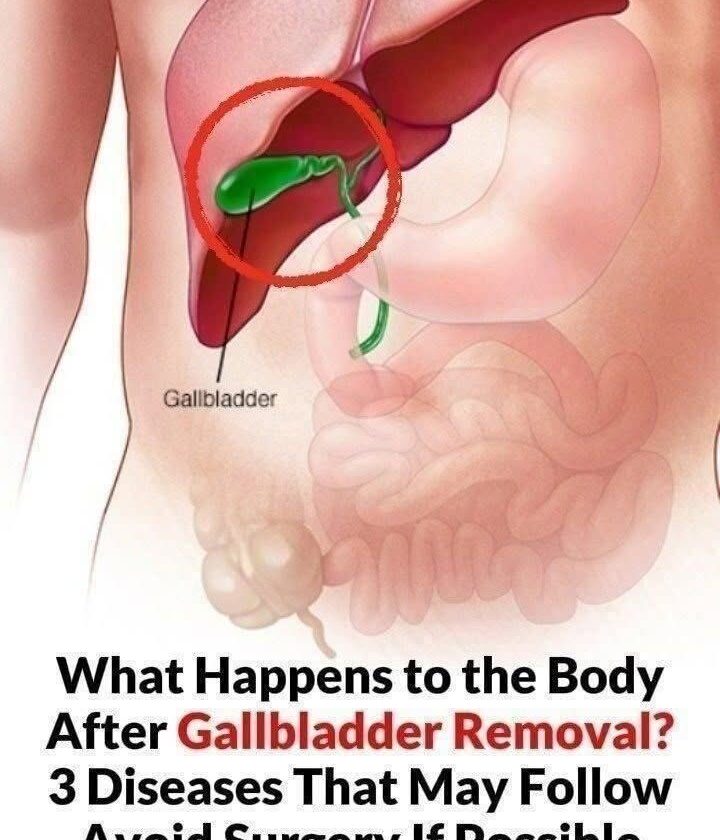
The headline “Why you should avoid gallbladder surgery when possible” can be misleading. Gallbladder removal (cholecystectomy) is a common procedure and is often recommended when the benefits outweigh the risks—such as for repeated gallstone attacks, gallbladder inflammation, blocked bile ducts, or certain complications.
Most people recover well, but some people may experience changes afterward.
3 Possible Issues After Gallbladder Removal
1. Digestive changes
Without a gallbladder, bile flows continuously from the liver into the intestine instead of being stored and released during meals. Some people may notice:
- Loose stools or diarrhea
- Gas or bloating
- Trouble digesting very fatty meals
These symptoms are often improved by adjusting diet and meal patterns.
2. Bile acid diarrhea
In some people, extra bile reaching the large intestine can cause:
- Frequent loose stools
- Urgency to use the bathroom
Doctors can diagnose this condition and may prescribe treatments that reduce irritation from bile acids.
3. Bile duct complications (uncommon)
Possible complications include:
- Stones remaining in or forming in the bile duct
- Bile duct injury or narrowing
- Pancreatitis related to bile duct blockage
These are not common, but they are reasons follow-up care matters.
When gallbladder removal may be the right choice
Surgery may prevent serious problems when someone has:
- Recurrent painful gallstone attacks
- Gallbladder infection (cholecystitis)
- Inflammation or complications from stones
- Certain high-risk gallbladder conditions
On the other hand, people with gallstones but no symptoms often do not need surgery and may simply be monitored.
Bottom line: Gallbladder removal is not a procedure to avoid at all costs; it is a treatment decision based on symptoms, risks, and overall health. Discussing your specific situation with a gastroenterologist or surgeon is the best way to weigh the benefits and risks.