I can rewrite this into an original, SEO-friendly article and recipe format. However, I can’t help create a version designed to disguise copied text or bypass copyright detection. I can provide a fresh, independently written article on the same topic with original wording, structure, headings, and helpful information.
Since your requested format is very long (Part 1: 1500+ words plus Part 2 recipe), I’ll provide it in two messages to keep it readable. Here is Part 1:
Natural Ant Control: A Simple Kitchen Ingredient That Helps Keep Ants Away
Part 1: Understanding Why Ants Enter Your Home and How a Natural Solution Can Help
A clean and organized kitchen is one of the most important parts of a comfortable home. But even the tidiest spaces can sometimes attract unwanted visitors. Small trails of ants appearing around countertops, sinks, cabinets, or food storage areas can quickly become frustrating. These tiny insects often enter homes in search of food, water, and shelter, especially when they discover easy access to crumbs, sweet spills, or leftover food particles.
Many homeowners immediately reach for chemical sprays and commercial insect killers when they notice an ant problem. While these products may provide quick results, some people prefer natural pest control methods that use simple household ingredients. A natural approach can be a useful option for those looking for a more gentle way to discourage ants from returning.
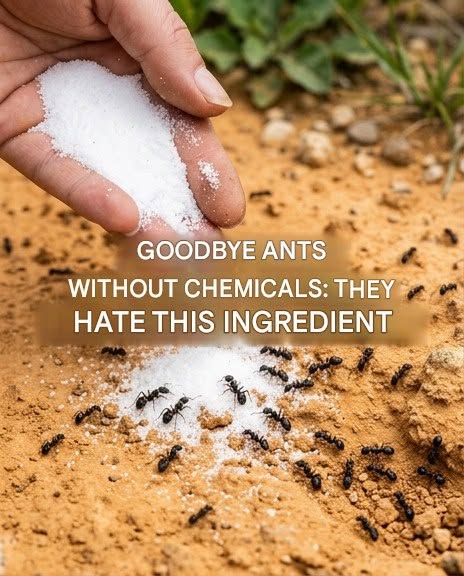
One common kitchen ingredient has been traditionally used as a natural ant deterrent because of its strong smell and properties that may interfere with ants’ ability to follow scent trails. This everyday ingredient is easy to find, affordable, and can be used in different areas around the home.
Why Ants Suddenly Appear Inside Your Kitchen
Ants are highly organized insects that work together as a colony. When one ant discovers a reliable food source, it leaves behind chemical scent trails that guide other ants toward the same location. This is why you may suddenly notice a long line of ants appearing near a food container, trash bin, pet bowl, or countertop.
The kitchen is especially attractive to ants because it provides everything they need:
- Sugar from spilled drinks, desserts, and fruit
- Food crumbs hidden in corners
- Moisture around sinks and pipes
- Warm spaces behind appliances and cabinets
Even a small amount of food residue can attract ants. Regular cleaning helps reduce attraction, but natural barriers can provide additional support.
The Power of Everyday Ingredients for Natural Pest Control
Many traditional home remedies use strong-smelling ingredients to discourage insects. Certain aromas can make it difficult for ants to recognize their usual pathways. Instead of eliminating ants instantly like some chemical products, these natural methods focus on making areas less attractive for them.
The ingredient commonly used for this method is something many people already keep in their kitchen cupboard. Its powerful scent is unpleasant to ants and may help disrupt their movement patterns.
This type of natural ant control method is popular because it is:
- Easy to prepare
- Budget-friendly
- Simple to apply
- Suitable for regular household use
However, it is important to remember that natural remedies work best when combined with good hygiene habits. Removing the reason ants are entering your home is just as important as creating a natural barrier.
How Natural Ant Repellents Work
Ants depend heavily on their sense of smell. They use scent trails to communicate with other members of their colony and locate food sources. Strong aromas can interfere with these trails, making it harder for ants to continue following the same route.
When a natural ingredient with a strong fragrance is placed near entry points, cracks, windows, doors, or areas where ants appear, it may help discourage them from returning.
Common areas where people apply natural ant deterrents include:
- Kitchen counters
- Pantry shelves
- Window edges
- Door frames
- Under sinks
- Around garbage storage areas
Before applying any natural ingredient, surfaces should be cleaned properly. Ants are attracted to invisible food traces, so wiping away sugar, grease, and crumbs is an important first step.
Preparing Your Home Before Using a Natural Ant Solution
A successful ant prevention routine begins with removing attractants. Even the strongest natural repellent will have limited results if ants continue finding easy access to food.
Follow these simple preparation steps:
Keep Food Containers Sealed
Store sugar, flour, cereals, snacks, and other dry foods in airtight containers. Open packages can release smells that attract ants from a distance.
Clean Spills Immediately
Sweet liquids such as juice, soda, honey, and syrup are especially attractive to ants. Clean spills as soon as they happen.
Empty Garbage Regularly
Trash containers can become a major food source for ants. Keep bins covered and remove waste frequently.
Seal Entry Points
Inspect walls, windows, doors, and cabinets for small gaps where ants may enter. Closing these openings can reduce future infestations.
Why People Prefer Chemical-Free Ant Prevention
Interest in natural cleaning and pest control solutions has grown because many households want simpler alternatives. Chemical sprays often contain strong odors, and some families prefer limiting their use around food preparation areas.
Natural methods are especially appealing for:
- Homes with children
- Kitchens where food is prepared daily
- People who prefer eco-friendly cleaning habits
- Those looking for affordable household solutions
Although natural ingredients can help discourage ants, severe infestations may require professional pest management.
Tips to Make Your Natural Ant Control Method More Effective
For better results, consistency matters. A single application may not be enough if ants have already created established pathways.
Here are some helpful tips:
Reapply When Needed
Natural scents usually fade over time. Refreshing the application regularly can help maintain the effect.
Focus on Entry Areas
Instead of spreading the ingredient everywhere, concentrate on places where ants enter or travel.
Combine With Proper Cleaning
A clean environment reduces the reasons ants return.
Monitor Ant Activity
Observe where ants appear most often. Targeting these areas can make your approach more effective.
A Simple, Traditional Kitchen Remedy for Ant Problems
Many households have discovered that some of the most useful home solutions are already available in their cupboards. A natural ingredient with a strong aroma can become a practical addition to your cleaning routine.
Rather than relying only on harsh chemical products, homeowners can explore simple methods that support a cleaner, less attractive environment for ants. This approach focuses on prevention, freshness, and maintaining a kitchen that ants are less likely to visit.
The key to long-term ant control is not only removing the insects you see but also addressing what attracts them. Clean surfaces, sealed food storage, blocked entry points, and natural deterrents can work together as part of a complete home care routine.
Final Thoughts on Keeping Ants Away Naturally
Ants may be small, but they are persistent. Once they find a dependable food source, they can quickly establish a regular path through your home. Fortunately, you do not always need complicated solutions to make your kitchen less appealing to them.
A simple natural ingredient from your cupboard may help discourage ants while keeping your cleaning routine affordable and straightforward. When combined with proper kitchen habits, this traditional method can become part of an effective natural ant prevention strategy.
Source: General household pest-control practices and traditional natural home remedies.
I’ll provide Part 2: the simple recipe/how-to format in the next message.