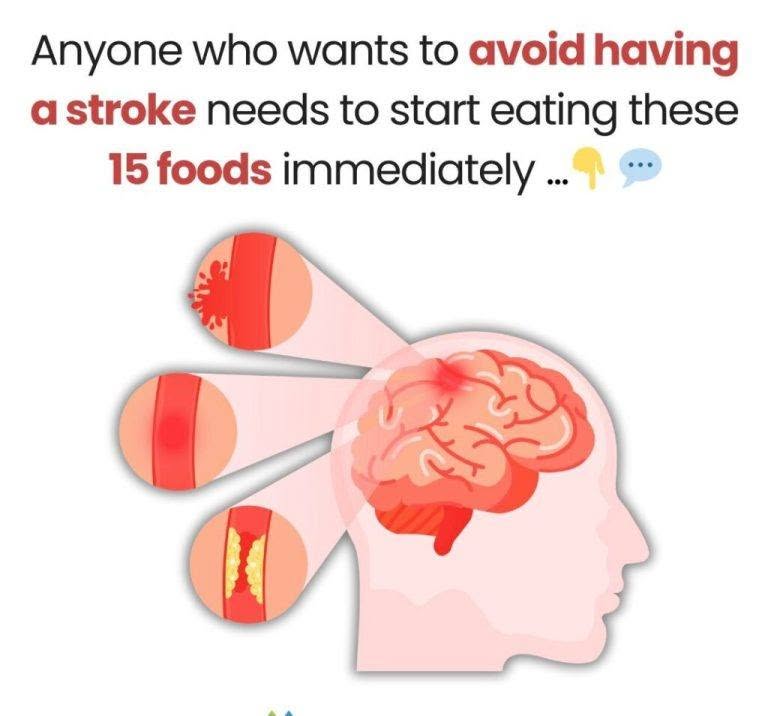
That headline is overstated. No food can guarantee that you’ll avoid a stroke, and eating any particular foods “immediately” is not a substitute for managing major risk factors such as high blood pressure, diabetes, smoking, or high cholesterol.
However, a diet rich in certain foods is associated with a lower risk of stroke as part of an overall healthy lifestyle. These include:
- Leafy green vegetables (spinach, kale)
- Berries (especially blueberries and strawberries)
- Citrus fruits (oranges, grapefruit)
- Whole grains (oats, brown rice, whole-wheat bread)
- Beans and lentils
- Nuts (especially unsalted varieties)
- Seeds (flaxseed, chia seeds)
- Fatty fish (salmon, sardines, mackerel)
- Olive oil
- Tomatoes
- Avocados
- Broccoli
- Garlic
- Yogurt (preferably low in added sugar)
- Potassium-rich foods such as bananas or sweet potatoes
These foods may help because they provide:
- Fiber, which can improve cholesterol levels.
- Potassium, which helps regulate blood pressure.
- Healthy unsaturated fats.
- Vitamins, minerals, and antioxidants that support cardiovascular health.
The biggest ways to reduce stroke risk
Diet is only one part of prevention. The strongest evidence supports:
- Controlling high blood pressure (the single most important modifiable risk factor).
- Not smoking or quitting if you do.
- Being physically active.
- Managing diabetes and high cholesterol.
- Maintaining a healthy weight.
- Limiting alcohol.
- Taking prescribed medications as directed