Yes—that’s true.
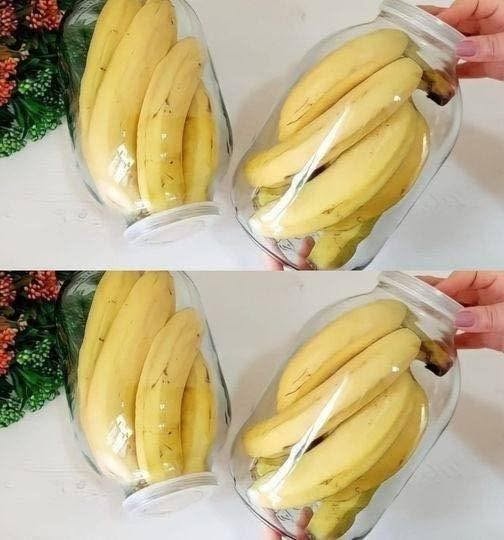
Banana are popular worldwide because they’re sweet, soft, and convenient, but they do ripen and spoil fairly quickly compared to many other fruits.
Why bananas have a short shelf life
- They produce a lot of ethylene gas, which speeds up ripening
- Once picked, they continue to ripen rapidly at room temperature
- Warm temperatures make them ripen and brown even faster
How bananas change as they age
- Green: starchy, firm, less sweet
- Yellow: ripe, sweet, ideal for eating
- Spotted brown: very sweet, best for baking or smoothies
- Fully brown/black: overripe, still safe if no mold, but texture is very soft
How to make bananas last longer
- Keep them in a cool, shaded place (not direct sunlight)
- Separate them from other fruits (they speed up ripening)
- Wrap stems in plastic wrap or foil to slow ethylene release
- Refrigerate when ripe (peel may darken, but fruit inside stays good)
- Freeze for long-term use (smoothies, baking)
If you want, I can also explain why bananas turn brown chemically or how to store fruit together without making them spoil faster.