Here’s a detailed, reader-friendly version of your article:
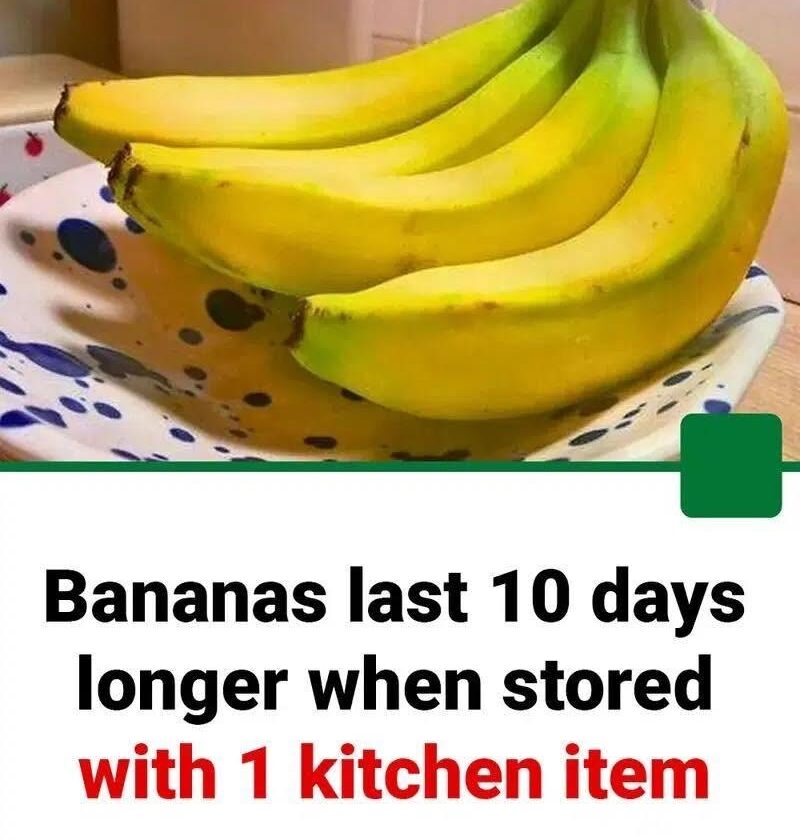
Bananas Last 10 Days Longer When Stored with One Kitchen Item Instead of in a Fruit Bowl
Bananas are one of the world’s most popular fruits. They are affordable, naturally sweet, rich in nutrients, and easy to enjoy as a snack or in smoothies, oatmeal, and desserts. However, one common problem many people face is that bananas seem to ripen too quickly, especially when left in a fruit bowl with other produce.
The good news is that a few simple storage techniques can help slow the ripening process and keep bananas fresh for longer. One of the most effective methods involves using a common kitchen item: plastic wrap or a reusable food wrap.
Why Do Bananas Ripen So Quickly?
Bananas naturally produce ethylene gas, a plant hormone that speeds up the ripening process. Most of this gas is released from the stem, also known as the crown.
When bananas are stored together in a bunch, the ethylene gas becomes concentrated around the fruit, causing all the bananas to ripen more quickly. If they are placed near other fruits such as apples, pears, avocados, or tomatoes, those fruits also release ethylene gas, which can make bananas ripen even faster.
The Kitchen Trick That Can Help
One simple way to slow ripening is to wrap the stems of the banana bunch with plastic wrap or a reusable food wrap.
Covering the stems helps reduce the amount of ethylene gas released into the surrounding air. While this won’t completely stop the bananas from ripening, it may help slow the process and keep them fresh longer.
Some people also separate each banana from the bunch and wrap each individual stem. This may further reduce the spread of ethylene gas between bananas.
It’s important to note that the exact amount of extra freshness varies depending on the bananas, room temperature, and storage conditions. Claims that this method always keeps bananas fresh for exactly 10 days are not supported by strong scientific evidence, but many people find it helpful.
Keep Bananas Away from Other Fruits
A fruit bowl filled with different fruits may look attractive, but it’s not always the best place for bananas.
Keep bananas away from high-ethylene fruits such as:
- Apples
- Pears
- Avocados
- Peaches
- Tomatoes
- Mangoes
Storing bananas separately can help slow ripening.
Choose the Right Storage Temperature
Bananas prefer room temperature while they are still ripening.
Avoid placing green bananas in the refrigerator because cold temperatures can interfere with normal ripening and affect texture.
Once bananas reach the level of ripeness you like, you can move them to the refrigerator. The peel will often turn brown or black, but the fruit inside usually remains fresh for several more days.
Hang Instead of Stack
Using a banana hanger can also help.
When bananas sit in a bowl, the weight of the fruit can cause bruising. Hanging bananas allows better air circulation and reduces pressure on the fruit, helping preserve their appearance.
Avoid Direct Sunlight
Heat speeds up ripening.
Store bananas in a cool, dry place away from direct sunlight, ovens, dishwashers, or other heat sources.
What to Do with Overripe Bananas
Even if bananas become very ripe, they don’t have to go to waste.
Overripe bananas are perfect for:
- Banana bread
- Muffins
- Pancakes
- Smoothies
- Frozen desserts
- Homemade ice cream
- Oatmeal
- Yogurt parfaits
You can also peel ripe bananas, slice them, and freeze them for future recipes.
Are Brown Bananas Safe to Eat?
Yes. Brown spots on the peel usually mean the banana is sweeter as natural starches have been converted into sugars.
As long as the fruit is not moldy, leaking liquid, or giving off an unpleasant odor, it is generally safe to eat.
Nutritional Benefits of Bananas
Bananas are packed with nutrients, including:
- Potassium, which supports normal muscle and nerve function
- Vitamin B6
- Vitamin C
- Dietary fiber
- Natural carbohydrates that provide energy
They are naturally fat-free and make a convenient snack for people of all ages.
Common Mistakes People Make
Many people unknowingly shorten the life of their bananas by:
- Leaving them beside other ripe fruits
- Storing green bananas in the refrigerator
- Keeping them in direct sunlight
- Allowing bruising from overcrowded fruit bowls
- Ignoring very ripe bananas instead of freezing or using them in recipes
Final Thoughts
Keeping bananas fresh for longer doesn’t require expensive gadgets or special products. Simple habits—such as wrapping the stems, storing bananas away from other ethylene-producing fruits, keeping them at room temperature until ripe, and refrigerating them once they reach your preferred ripeness—can help reduce food waste and extend freshness.
While no method can guarantee that bananas will stay perfect for exactly 10 days, these practical tips can help you enjoy them for longer and get the most from every bunch.
If you’d like, I can also adapt this into a Facebook article, blog post, or SEO-friendly version with headings and keywords.