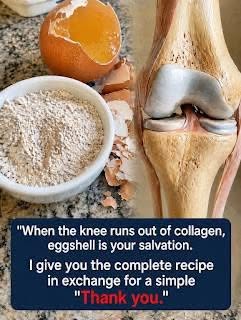
Eggshells are often promoted online as a “natural calcium booster,” but the reality is a bit more balanced.
Do eggshells contain calcium?
Yes. Eggshells are made mostly of calcium carbonate, the same compound found in some calcium supplements. So in theory, they can be a calcium source.
Potential benefits
- High calcium content: A single eggshell contains a large amount of calcium.
- Low-cost source: It’s inexpensive and widely available.
- May support bone health: Calcium is important for bones, teeth, and muscle function.
But here’s the important part (safety matters)
Raw or improperly prepared eggshells can carry risks:
- Bacterial contamination: Eggs can carry germs like Salmonella if not properly cleaned.
- Poor absorption if not processed correctly: Large shell pieces are not easily absorbed by the body.
- Risk of excess calcium: Too much calcium can contribute to kidney stones or other issues in some people.
If someone wants to use eggshell calcium safely
It should be:
- Thoroughly washed
- Boiled or baked to kill bacteria
- Finely ground into a powder
- Used in very small, controlled amounts
Even then, it’s usually better to use standardized calcium supplements recommended by a healthcare professional.
Better proven calcium sources
- Milk, yogurt, cheese
- Leafy greens (like spinach, kale)
- Fortified foods (juices, cereals)
- Fish with edible bones (like sardines)
Bottom line
Eggshells do contain calcium, but they are not a recommended primary calcium supplement unless carefully processed and used with caution. For strong bones, a balanced diet plus adequate vitamin D and regular weight-bearing exercise is far more reliable.
If you want, I can compare eggshell calcium vs pharmacy calcium tablets so you can see which is safer and more effective.