Here are the most common options and what the evidence suggests:
1. Boiling water (best for cracks and driveways)
- Pour freshly boiled water directly onto the weeds.
- Works well on young weeds in sidewalk cracks, gravel paths, and between pavers.
- Avoid using it near desirable plants, as it will kill them too.
Pros: No chemicals, inexpensive, no residue.
Cons: Doesn’t usually kill deep roots of perennial weeds.
2. Vinegar spray
A common recipe is:
- 1 gallon (3.8 L) white vinegar (5% acetic acid)
- A few drops of liquid dish soap (helps the spray stick to leaves)
The vinegar burns exposed foliage, especially on sunny days.
Pros: Effective on small, annual weeds.
Cons:
- Usually doesn’t kill established roots.
- Can injure any plant it contacts.
- Repeated use may acidify soil in the treated area.
3. Hand weeding and mulching
For garden beds, this is often the most reliable long-term approach:
- Pull weeds after rain or watering.
- Apply 2–4 inches (5–10 cm) of mulch to suppress new growth.
Avoid using salt routinely
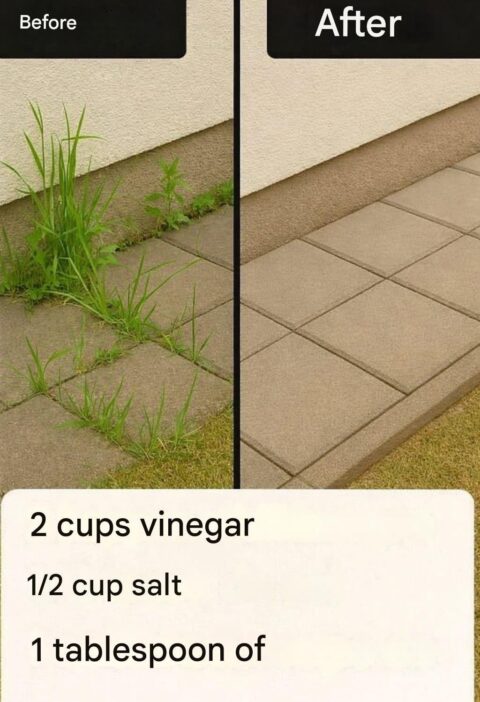
Many recipes combine vinegar, salt, and dish soap. While salt can kill weeds, it:
- Remains in the soil.
- Can prevent other plants from growing.
- May wash into surrounding areas and damage nearby vegetation.
For that reason, it’s generally not recommended except in places where you never want plants to grow (such as cracks in pavement).
Which method is best?
- Driveways, patios, sidewalk cracks: Boiling water or vinegar spray.
- Vegetable or flower gardens: Hand pulling, hoeing, and mulch are the safest choices.
- Large infestations of perennial weeds: Homemade remedies often require repeated applications and may not eliminate the roots.
The most effective “non-toxic” weed control is usually a combination of removing weeds early, preventing them from setting seed, and using mulch or ground cover to keep new weeds from establishing.