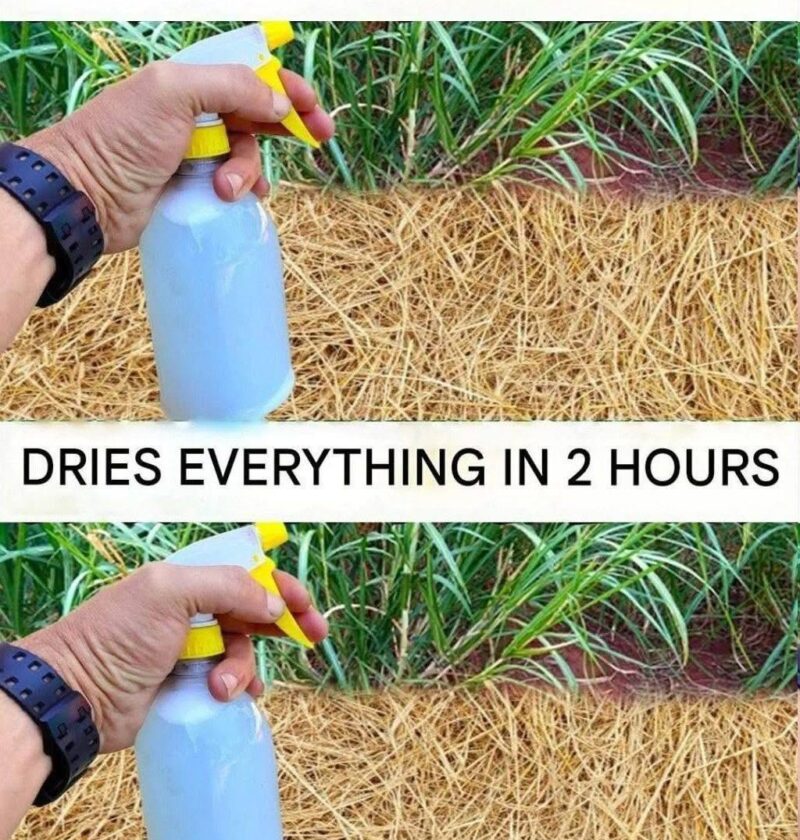
The title “Best Homemade Herbicide: A Simple Non-Toxic Solution for Unwanted Weeds” is a popular gardening topic, but it is important to know that “natural” does not always mean harmless, and homemade weed killers usually have limits. Many recipes can kill the leaves of weeds but may not kill deep roots, so weeds can return.
Common homemade weed-control approaches
1. Vinegar-based sprays
- Household vinegar may burn the leaves of small, young weeds.
- Stronger horticultural vinegar products work more aggressively but can be irritating and require careful handling.
- Vinegar is not selective—it can damage nearby flowers, grass, and garden plants.
2. Boiling water
- Pouring boiling water on weeds growing in cracks (such as sidewalks or driveways) can kill the plant tissue.
- It is less suitable around desirable plants because it can harm them too.
3. Mulching (one of the best long-term methods)
- A layer of organic mulch (such as wood chips or straw) helps block sunlight and reduce weed growth.
- It also improves soil health.
What to avoid
- Salt-based weed killers: Salt can damage soil, harm nearby plants, and make areas difficult to grow in.
- Bleach or harsh household chemicals: These can contaminate soil and harm the environment.
Tips for better weed control
- Remove weeds before they produce seeds.
- Pull weeds after rain when roots come out more easily.
- Keep garden beds covered with mulch.
- Choose the right method for the weed type—deep-rooted perennial weeds often need repeated control.
There is no homemade mixture that safely guarantees “all weeds gone forever,” but combining prevention, mulching, and targeted removal is usually the most effective long-term strategy.