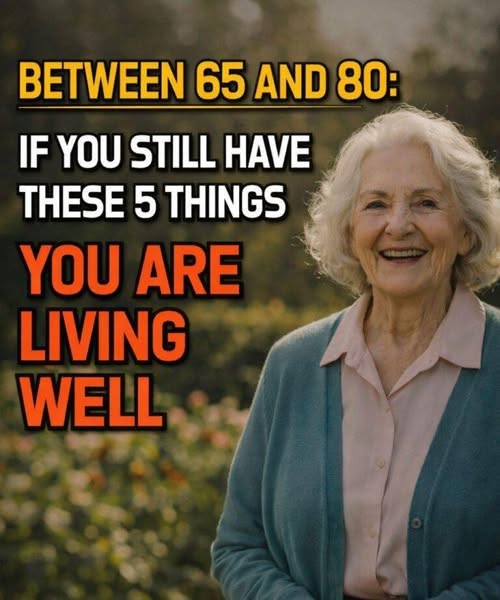
Between ages 65 and 80, well-being is influenced by many factors, and there is no single set of signs that defines whether someone has lived a “well-cared-for” life. People age differently based on genetics, health conditions, lifestyle, and social circumstances.
That said, research suggests these five aspects are commonly associated with healthy aging:
- Maintaining physical function
- Being able to perform daily activities independently.
- Staying active with regular walking, strength, balance, or flexibility exercises.
- Good cognitive health
- Remaining engaged in learning, problem-solving, hobbies, or social activities.
- Seeking evaluation if significant memory or thinking changes develop.
- Strong social connections
- Having meaningful relationships with family, friends, or the community.
- Social engagement is linked to better mental and physical health.
- Emotional well-being
- Feeling a sense of purpose and satisfaction with life.
- Managing stress and seeking help for depression or anxiety when needed.
- Healthy lifestyle and preventive care
- Eating a balanced diet, getting adequate sleep, avoiding tobacco, limiting alcohol if used, and keeping up with recommended medical checkups, vaccinations, and management of chronic conditions.
It’s also important to remember that wrinkles, gray hair, slower movement, or chronic illnesses do not mean someone has aged “poorly.” Many healthy older adults have these normal features of aging, while others may have excellent physical appearance but underlying health problems.
Healthy aging is less about looking young and more about maintaining function, independence, quality of life, and meaningful relationships as much as possible.