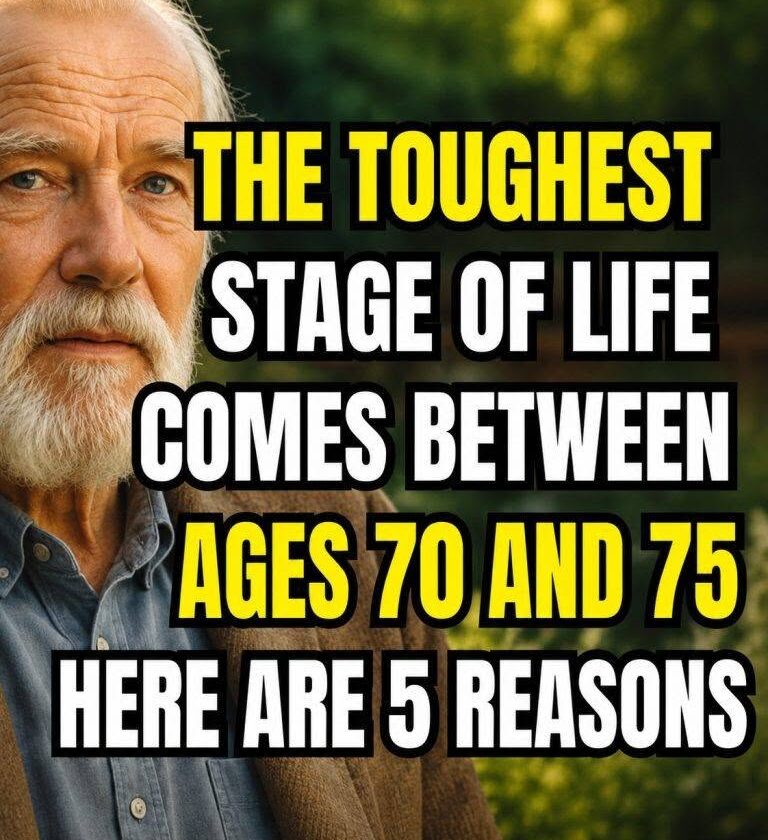
Between Ages 70 and 75: Five Factors That Can Make This Stage of Life More Challenging
The years between 70 and 75 can be a rewarding period filled with family, hobbies, travel, and personal growth. However, like every stage of life, it can also bring new challenges. Understanding these changes can help individuals and families prepare, adapt, and maintain a high quality of life.
It’s important to remember that aging affects everyone differently. Many people in their 70s remain active, independent, and healthy. The factors below are possibilities—not certainties.
1. Changes in Physical Health and Mobility
As people age, the body naturally undergoes changes that can affect strength, balance, and endurance.
Common changes may include:
- reduced muscle mass and strength
- slower recovery after illness or injury
- decreased flexibility
- balance difficulties
- joint stiffness
These changes can make everyday activities more tiring and may increase the risk of falls.
What can help:
- regular physical activity
- strength and balance exercises
- maintaining a healthy weight
- routine medical checkups
2. Managing Multiple Health Conditions
Many adults in their 70s live with one or more chronic conditions, such as:
- high blood pressure
- arthritis
- diabetes
- heart disease
- osteoporosis
Managing medications, appointments, and lifestyle recommendations can become more complex over time.
What can help:
- keeping an updated medication list
- regular communication with healthcare providers
- using reminders for medications and appointments
3. Cognitive and Memory Changes
Some changes in memory and processing speed are a normal part of aging.
Examples may include:
- taking longer to recall names
- needing more time to learn new information
- occasional forgetfulness
However, significant memory loss that interferes with daily life should be evaluated by a healthcare professional.
What can help:
- staying mentally active
- reading and learning new skills
- social engagement
- adequate sleep
4. Social Changes and Loneliness
Retirement, relocation, health limitations, or the loss of friends and loved ones can affect social connections.
Possible challenges include:
- reduced social interaction
- feelings of isolation
- loneliness
- changes in family roles
Strong social relationships are closely linked to physical and emotional well-being.
What can help:
- community activities
- volunteer work
- regular contact with family and friends
- hobbies and interest groups
5. Emotional and Life Adjustments
The period between 70 and 75 often involves significant life transitions.
People may experience:
- changes in independence
- concerns about health
- financial adjustments
- caregiving responsibilities
- grief after the loss of loved ones
These experiences can affect emotional health and overall well-being.