Brittle or Weak Nails May Signal… See More
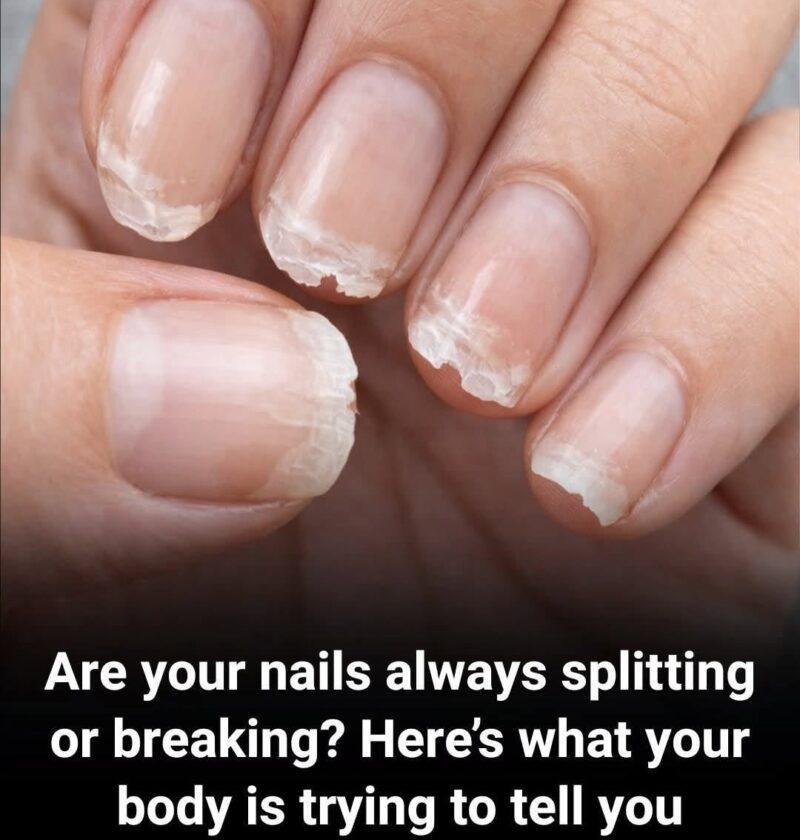
Many people experience brittle, splitting, or weak nails from time to time. While nail changes are often caused by everyday factors such as frequent hand washing, harsh chemicals, or aging, they can sometimes provide clues about what is happening inside the body.
Nails are made mainly of keratin, a protein that also forms hair and skin. Their appearance can be influenced by nutrition, circulation, hormones, infections, and certain health conditions. If nail problems persist despite good care, they may be worth discussing with a healthcare professional.
Here are some possible reasons why your nails may become weak or brittle.
1. Nutrient Deficiencies
One of the most common reasons for weak nails is not getting enough of certain nutrients. Nails require adequate vitamins, minerals, and protein to grow properly.
Possible nutritional factors include:
- Iron deficiency: Low iron levels may contribute to brittle nails and, in some cases, nails that become thin or develop unusual shapes.
- Low protein intake: Since nails are made of keratin, insufficient protein may affect nail strength.
- Zinc deficiency: Zinc plays a role in cell growth and repair, including nail growth.
- Vitamin deficiencies: Some vitamins, including certain B vitamins, are involved in healthy skin and nail maintenance.
A balanced diet with enough protein, vegetables, fruits, and whole foods supports healthy nails.
2. Frequent Exposure to Water and Chemicals
Repeated exposure to water can weaken nails by causing them to expand and contract. Over time, this may lead to peeling and splitting.
Common triggers include:
- Frequent hand washing
- Washing dishes without gloves
- Cleaning products
- Nail polish removers containing strong solvents
- Regular use of harsh nail products
Protecting hands with gloves during cleaning and using moisturizing products can help reduce damage.
3. Dehydration and Dry Nails
Dry nails are more likely to become fragile and break. Cold weather, low humidity, and frequent use of drying products can contribute to dryness.
Applying moisturizer to hands, cuticles, and nails regularly may help maintain flexibility and reduce cracking.
4. Thyroid Problems
Changes in thyroid hormone levels can sometimes affect the nails.
An underactive thyroid (hypothyroidism) may be associated with:
- Dry, brittle nails
- Slow nail growth
- Thinning hair
- Dry skin
If nail changes occur alongside unexplained fatigue, weight changes, or sensitivity to temperature, medical evaluation may be helpful.
5. Fungal Nail Infections
A fungal infection can change the appearance and texture of nails. Signs may include:
- Thickened nails
- Yellow or white discoloration
- Crumbling edges
- Changes in nail shape
Fungal infections often require specific treatments, so proper diagnosis is important.
6. Aging-Related Changes
As people get older, nails naturally may become:
- Thinner
- Drier
- More fragile
- Slower-growing
These changes are common, but maintaining good nutrition and nail care can help support nail health.
7. Stress and Illness
Physical stress on the body, including illness, surgery, or major health changes, can sometimes affect nail growth. Some people notice changes weeks or months after a stressful event because nails grow slowly.
Temporary changes may include:
- Increased brittleness
- Lines across the nails
- Changes in growth patterns
8. Certain Medical Conditions
In some cases, nail changes may be linked to health conditions such as:
- Skin disorders like psoriasis
- Circulation problems
- Autoimmune conditions
- Diabetes-related changes
Nail symptoms alone usually do not identify a specific disease, but they can be one piece of a larger health picture.
Tips to Strengthen Weak Nails
To help maintain healthier nails:
- Keep nails trimmed to prevent splitting.
- Moisturize hands and cuticles regularly.
- Avoid biting nails or picking at cuticles.
- Wear gloves when using cleaning products.
- Limit harsh nail treatments.
- Eat a balanced diet with adequate protein and nutrients.
- Avoid excessive use of nail polish removers.
When to See a Doctor
Consider seeking medical advice if you notice:
- Sudden or severe nail changes
- Nail discoloration without an obvious cause
- Pain, swelling, or bleeding around the nails
- Nails separating from the skin
- Persistent brittleness despite proper care
- Other symptoms such as fatigue, weight changes, or skin problems
Final Thoughts
Brittle or weak nails are often caused by simple factors such as dryness, frequent chemical exposure, or normal changes over time. However, persistent nail changes may sometimes signal nutritional issues or underlying health conditions.
Paying attention to changes in your nails—especially when they appear alongside other symptoms—can help you understand your overall health and decide when professional advice may be needed.
This article is for general information and is not a substitute for medical diagnosis or treatment from a qualified healthcare professional.