1. Move them into full sun
Most geraniums bloom best with at least 6–8 hours of direct sunlight daily. Too much shade often leads to fewer flowers and leggier growth.
2. Remove winter damage
Trim off dead, yellow, or weak stems and leaves. This encourages fresh, vigorous growth.
3. Repot if root-bound
If roots are circling the pot or emerging from drainage holes, move the plant to a slightly larger container with fresh potting mix.
4. Feed regularly
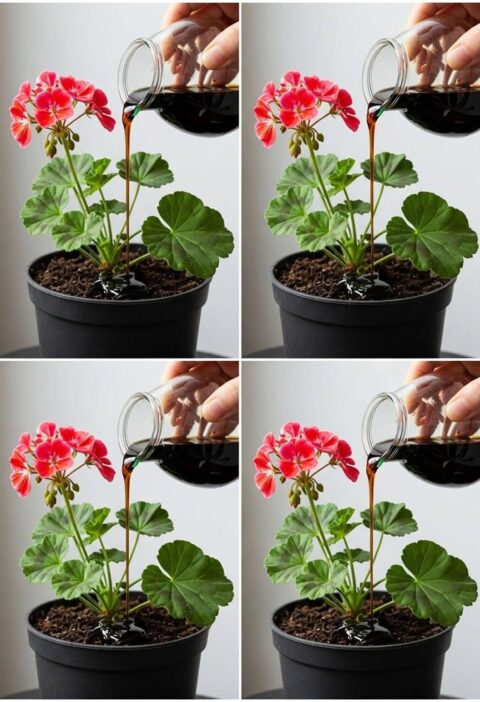
Use a balanced fertilizer or one formulated for flowering plants. Follow the product directions; excessive fertilizer can sometimes produce more leaves than flowers.
5. Water correctly
Allow the top layer of soil to dry slightly between waterings. Constantly soggy soil can lead to root problems.
6. Pinch growing tips
Pinching the tips of young shoots can encourage bushier growth and more flowering stems.
7. Deadhead spent blooms
Remove faded flower clusters promptly. This helps direct energy toward producing new flowers rather than seeds.
8. Check for pests
Watch for aphids, whiteflies, spider mites, and caterpillars. Early detection makes control much easier.
9. Improve air circulation
Avoid overcrowding plants. Good airflow can reduce fungal diseases and keep foliage healthier.
10. Protect from late frosts
If your area is still at risk of cold nights, bring container plants indoors or cover them temporarily.
For the best flowering season
The most important factors are:
- Plenty of sunlight
- Consistent watering (without waterlogging)
- Regular feeding
- Deadheading throughout the season
These steps won’t literally guarantee “uninterrupted vibrant flowering until frost,” but they are among the most effective ways to keep geraniums blooming for as long as conditions allow.