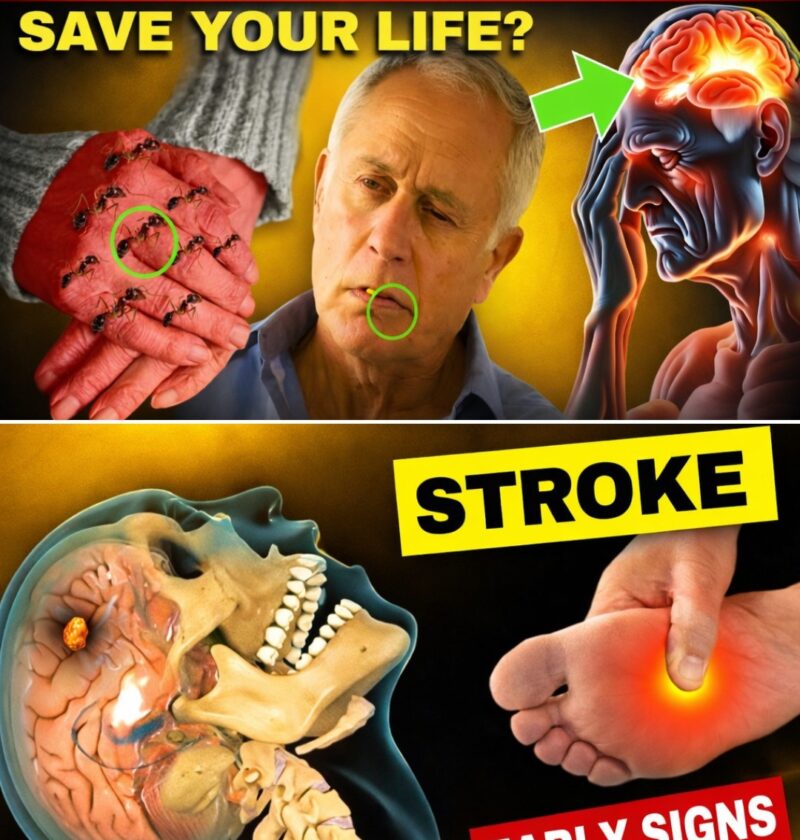
: Early Warning Signals of Stroke Risk + Proven Prevention Strategies (SEO Optimized, Original Content)
⚠️ Understanding Stroke Risk: What You Should Know First
A stroke happens when blood flow to the brain is blocked or interrupted, leading to brain cell damage. While most strokes occur suddenly, some people may experience temporary warning signs days or weeks before, often due to poor circulation or a mini-stroke (TIA).
These early symptoms are a serious warning, not a prediction of exactly when a stroke will happen.
🚨 Possible Early Warning Signs of Stroke Risk (Not a Fixed Timeline)
1. Sudden Weakness or Numbness
One side of the face, arm, or leg may feel weak or numb unexpectedly.
2. Temporary Speech Difficulty
- Slurred speech
- Trouble finding words
- Difficulty understanding others
3. Short Episodes of Vision Problems
- Blurred vision
- Partial vision loss
- Double vision
4. Sudden Dizziness or Loss of Balance
Feeling unsteady or difficulty walking without a clear reason.
5. Brief Confusion or Memory Issues
Short-term confusion or difficulty concentrating may occur.
6. Sudden Severe Headache
A very strong headache with no known cause can sometimes be a warning sign.
7. Facial Drooping or Asymmetry
One side of the face may appear uneven or weak.
8. Tingling Sensation in Limbs
Unusual numbness or “pins and needles” feeling in arms or legs.
⚠️ Important Medical Note
These symptoms do NOT guarantee a stroke will happen in one month. However, they may indicate:
- Reduced blood flow to the brain
- Mini-strokes (TIA)
- High stroke risk requiring medical evaluation
Immediate medical attention is essential if these symptoms appear.
❤️ Major Stroke Risk Factors
🧬 Health conditions:
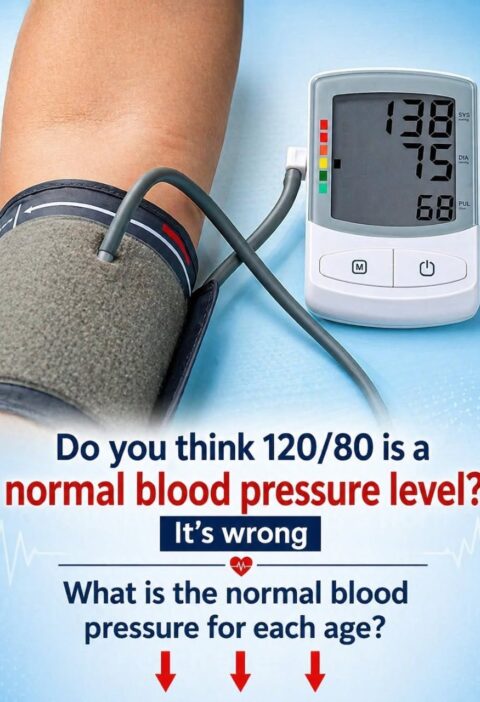
- High blood pressure
- Diabetes
- High cholesterol
- Heart disease
🚭 Lifestyle factors:
- Smoking
- Lack of exercise
- Poor diet
- Obesity
🧠 Other risks:
- Age
- Family history
- Chronic stress
🛡️ 9 Evidence-Based Ways to Reduce Stroke Risk
1. Control Blood Pressure
High blood pressure is the #1 cause of stroke.
2. Eat a Heart-Healthy Diet
Focus on:
- Fruits and vegetables
- Whole grains
- Lean proteins
- Healthy fats
3. Reduce Salt Intake
Too much sodium increases blood pressure.
4. Exercise Regularly
Helps improve circulation and heart health.
5. Quit Smoking
Smoking damages blood vessels and increases clot risk.
6. Manage Blood Sugar
Important for preventing vascular damage.
7. Maintain Healthy Weight
Reduces strain on heart and blood vessels.
8. Limit Alcohol
Excess alcohol increases stroke risk.
9. Manage Stress and Sleep
Poor sleep and chronic stress affect blood pressure regulation.
🧠 FAST Stroke Emergency Test
- F – Face drooping
- A – Arm weakness
- S – Speech difficulty
- T – Time to call emergency help
📚 Sources (Medical References)
- World Health Organization (WHO) – Stroke facts
- American Stroke Association – Stroke warning signs
- Centers for Disease Control and Prevention (CDC)
- Mayo Clinic – Stroke symptoms and prevention
- National Institute of Neurological Disorders and Stroke (NINDS)
🧠 Part 2: Simple Daily Stroke Prevention Routine (Easy Lifestyle Plan)
🥗 Heart-Healthy Daily Habits
Morning:
- Drink water
- Light walking or stretching
- Healthy breakfast (fruits, oats, or whole grains)
During the day:
- Avoid sitting too long
- Stay active
- Drink enough water
Diet:
- Eat more vegetables and fruits
- Reduce fried and processed foods
- Limit salt and sugar
Night:
- Sleep 7–8 hours
- Avoid stress before bed
⭐ Final Note
Stroke is often sudden, but risk builds over time. Early symptoms are warning signs of possible circulation issues—not a guaranteed timeline. Healthy lifestyle choices and medical checkups are the best way to reduce risk and protect brain health.