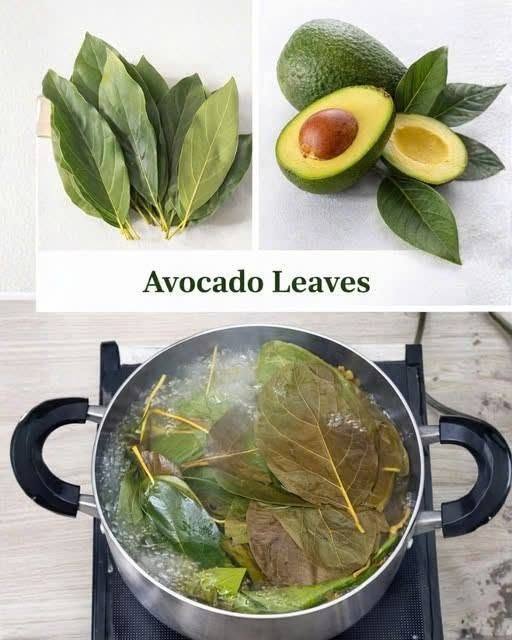
Avocado leaves do have a long history of use in traditional medicine, but it’s worth separating traditional claims from what science has actually confirmed.
What avocado leaves are used for traditionally
In parts of Latin America, Africa, and Asia, avocado leaves are brewed as tea or used in remedies for:
- Digestive issues (bloating, stomach cramps)
- Coughs and colds
- High blood pressure support
- Inflammation and pain relief
- Blood sugar control (folk use)
Avocado leaf
What research suggests (so far)
Some studies on avocado leaves and their extracts have found they contain:
- Flavonoids (antioxidant compounds)
- Quercetin-like compounds
- Phenolic acids
These may have:
- Mild antioxidant effects
- Possible anti-inflammatory activity
- Potential antimicrobial properties in lab settings
But here’s the key point:
Most evidence is lab-based or animal studies, not strong human clinical trials.
Important safety notes
This is where people often overestimate “natural = harmless”:
- Not well studied in long-term human use
- Some compounds in avocado parts (especially other species or large doses) may affect animals differently
- Quality, dosage, and preparation are not standardized like medicines
- Can interact with medications (especially for blood pressure or blood sugar)
So while tea made from avocado leaves is used traditionally, it’s not something we can confidently call a “super-treatment.”
Bottom line
Avocado leaves are:
- Interesting and potentially beneficial in mild ways
- Not proven medical treatment for major diseases
- Best viewed as a traditional herbal tea, not a cure-all
If you want, I can compare avocado leaves with other well-studied herbal teas (like green tea, hibiscus, or moringa) so you can see which ones actually have stronger scientific backing.