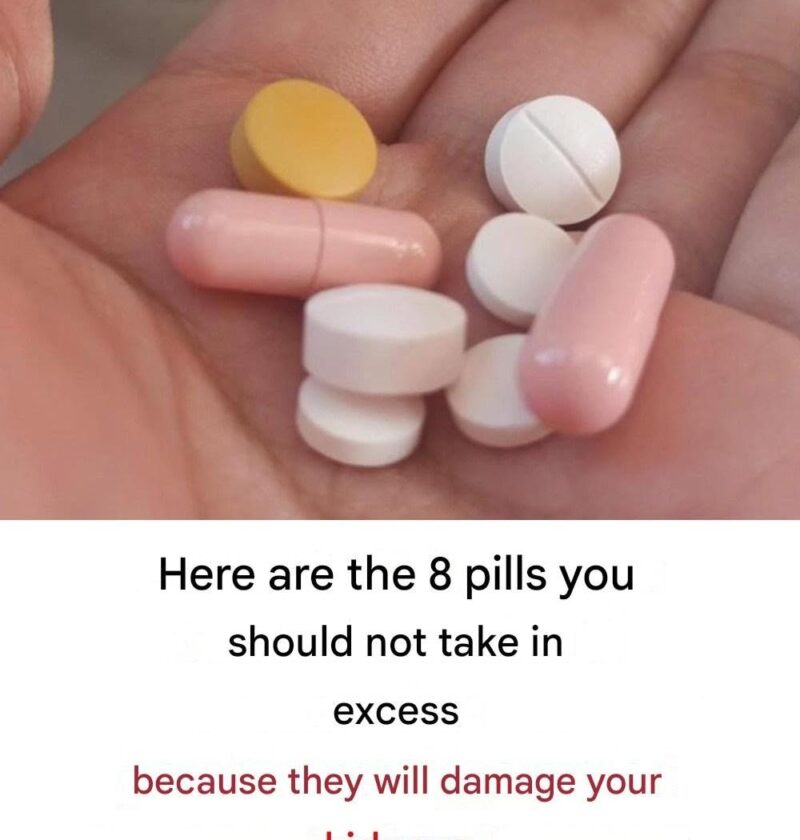
Eight Medicines That Can Harm Your Kidneys (Especially When Used Incorrectly)
Your kidneys filter waste, balance fluids, and help control blood pressure. Some medicines are safe when used correctly but can stress or damage the kidneys in certain situations—especially with high doses, long-term use, dehydration, or existing kidney problems.
This does not mean you should stop prescribed medicines. The safest approach is to understand the risks and discuss concerns with your healthcare professional.
1. Nonsteroidal Anti-Inflammatory Drugs (NSAIDs)
Common examples:
- Ibuprofen
- Naproxen
- Diclofenac
These medicines are often used for:
- Pain
- Arthritis
- Inflammation
- Fever
How they may affect kidneys:
NSAIDs can reduce blood flow to the kidneys, which may cause kidney problems in some people, especially when taken frequently or at high doses.
Higher-risk groups include:
- Older adults
- People with kidney disease
- People with heart failure
- People taking certain blood pressure medicines
- People who are dehydrated
2. Certain Antibiotics
Some antibiotics can affect kidney function, especially in vulnerable people.
Examples include certain:
- Aminoglycoside antibiotics
- Some other antibiotics requiring dose adjustments in kidney disease
Doctors often consider kidney function when choosing doses.
3. Proton Pump Inhibitors (PPIs)
These medicines reduce stomach acid and are used for conditions such as reflux and ulcers.
Examples:
- Omeprazole
- Pantoprazole
Rarely, PPIs have been associated with kidney inflammation. People taking them long-term should use them only when medically appropriate.
4. Diuretics (“Water Pills”)
Used for:
- High blood pressure
- Heart failure
- Fluid retention
Examples include:
- Furosemide
- Hydrochlorothiazide
They can affect kidney function by changing:
- Fluid balance
- Electrolyte levels
- Blood pressure
Regular monitoring may be needed.
5. Some Blood Pressure Medicines (When Not Monitored)
Certain medicines that protect the kidneys in many patients can still require monitoring.
Examples:
- ACE inhibitors
- ARBs
They may cause changes in kidney blood tests or potassium levels, especially after starting treatment or changing doses.
Do not stop these medicines without medical advice—they are often beneficial for kidney and heart protection.
6. Certain Antiviral Medicines
Some antiviral drugs can affect kidney function, particularly in people with other risk factors.
Doctors may monitor:
- Kidney blood tests
- Medication levels
- Hydration status
7. Some Chemotherapy Medicines
Certain cancer treatments can affect the kidneys.
Cancer specialists often use:
- Kidney function monitoring
- Dose adjustments
- Protective treatments when needed
8. Herbal Supplements and “Natural” Remedies
“Natural” does not always mean kidney-safe.
Some supplements may contain substances that:
- Harm the kidneys
- Interact with medicines
- Contain inconsistent amounts of active ingredients
Always tell your doctor about supplements you take.
Who Is Most at Risk of Medicine-Related Kidney Damage?
Risk is higher if you have:
- Chronic kidney disease
- Diabetes
- High blood pressure
- Heart disease
- Dehydration
- Older age
- Multiple medications
Warning Signs of Possible Kidney Problems
Seek medical advice if you notice:
- Reduced urine output
- Swelling in feet or ankles
- Unusual tiredness
- Nausea or loss of appetite
- Confusion
- Shortness of breath
- Sudden changes in blood pressure
How to Protect Your Kidneys
✅ Take medicines exactly as prescribed
✅ Avoid frequent self-use of painkillers
✅ Drink enough fluids unless your doctor has restricted fluids
✅ Ask before combining medicines or supplements
✅ Have kidney tests when recommended
✅ Tell every healthcare provider about all medicines you take