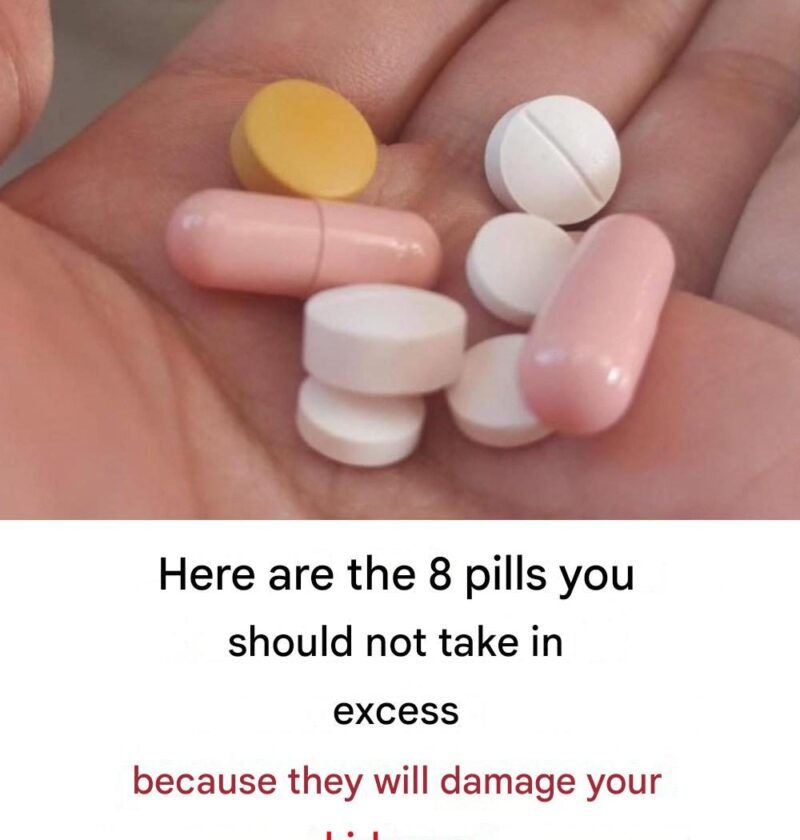
Some commonly used medicines can harm your kidneys — especially if taken too often, in high doses, while dehydrated, or if you already have kidney disease, diabetes, or high blood pressure.
Here are 8 types of pills/medications that are known to increase the risk of kidney damage:
- NSAID painkillers
Examples: ibuprofen, naproxen, diclofenac
These reduce blood flow to the kidneys and are one of the most common causes of medication-related kidney injury. (Drugs.com) - Proton pump inhibitors (PPIs) for acidity/heartburn
Examples: omeprazole, lansoprazole, pantoprazole
Long-term use has been linked with chronic kidney disease and kidney inflammation. (Healthline) - Certain antibiotics
Examples: vancomycin, gentamicin, sulfonamides, some penicillins
Some antibiotics can directly injure kidney tissue or build up in the body if kidney function is reduced. (Drugs.com) - Diuretics (“water pills”)
Examples: furosemide, hydrochlorothiazide
Overuse or dehydration from these medicines can reduce kidney blood flow. (WebMD) - ACE inhibitors and ARBs (blood pressure medicines)
Examples: lisinopril, enalapril, losartan
These are often beneficial when monitored properly, but can trigger acute kidney injury in dehydration or when combined with NSAIDs. (Healthline) - Lithium
Used for bipolar disorder and other psychiatric conditions. Long-term use can cause chronic kidney damage. (Verywell Health) - Laxatives containing sodium phosphate
Some bowel-cleansing or constipation products can leave phosphate crystals in the kidneys and cause injury. (Drugs.com) - Some supplements and herbal products
Examples: high-dose vitamin C, excessive vitamin D, aristolochic acid herbs, certain bodybuilding supplements
“Natural” does not always mean safe for kidneys. (EatingWell)
Signs of possible kidney problems
- Swelling in feet or face
- Reduced urine output
- Foamy urine
- Fatigue
- Nausea
- High blood pressure
Important
Do not stop prescribed medicines suddenly without talking to a doctor. Many of these drugs are safe when used correctly and monitored properly. Risk usually increases with:
- Long-term use
- High doses
- Dehydration
- Mixing multiple kidney-stressing drugs
- Existing kidney disease or diabetes
If you want, I can also give:
- a list of painkillers safest for kidneys
- symptoms of kidney damage
- or foods that protect kidney health.