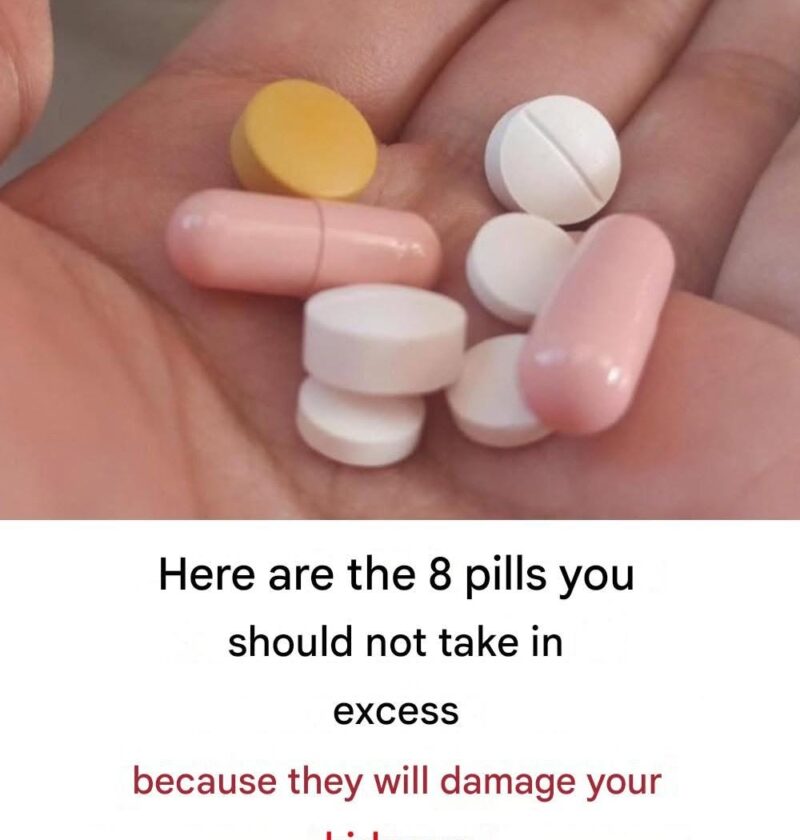
That headline is misleading. It implies these medications should never be taken, but that’s not true. Many drugs can affect the kidneys under certain circumstances, yet they are safe and beneficial for many people when used as directed.
Here are eight types of medications that can increase the risk of kidney injury and deserve careful use:
- Ibuprofen, Naproxen, and Diclofenac (NSAIDs)
- These pain relievers can reduce blood flow to the kidneys.
- The risk is higher if you’re dehydrated, have Chronic kidney disease, heart failure, or take them frequently or at high doses.
- Gentamicin (and some other aminoglycoside antibiotics)
- Can damage the kidneys, especially with prolonged use.
- They’re typically used under close medical supervision.
- Vancomycin
- May affect kidney function, particularly at high blood levels or when combined with other kidney-affecting drugs.
- Lithium
- Long-term use can impair kidney function in some people, so regular blood tests are recommended.
- Tenofovir disoproxil fumarate
- An antiviral used to treat HIV and hepatitis B that can affect kidney function in some patients.
- Certain chemotherapy drugs
- Medicines such as Cisplatin can be toxic to the kidneys, which is why kidney function is monitored during treatment.
- Some contrast agents used for medical imaging
- Contrast dye used in certain CT scans or angiograms can temporarily affect kidney function, particularly in people with existing kidney disease.
- Some diuretics (“water pills”)
- Medicines like Furosemide are important treatments for many conditions but can contribute to dehydration or electrolyte imbalances if not used appropriately.
Who is at higher risk?
Kidney side effects are more likely if you:
- Already have kidney disease.
- Have diabetes or high blood pressure.
- Are over 65.
- Are dehydrated.
- Take multiple medications that affect the kidneys.
Protecting your kidneys
- Take medications only as directed.
- Avoid using NSAIDs for long periods unless advised by a healthcare professional.
- Stay hydrated unless you’ve been told to restrict fluids.
- Tell your healthcare provider about all prescription drugs, over-the-counter medicines, and supplements you take.
- Have kidney function checked if you’re taking medications that require monitoring.
Bottom line
These are not medications you should automatically avoid. Many are essential treatments. The important point is that some drugs can affect the kidneys in certain situations, so they should be used carefully and, when appropriate, with monitoring. Never stop a prescribed medication without discussing it with the healthcare professional who prescribed it.