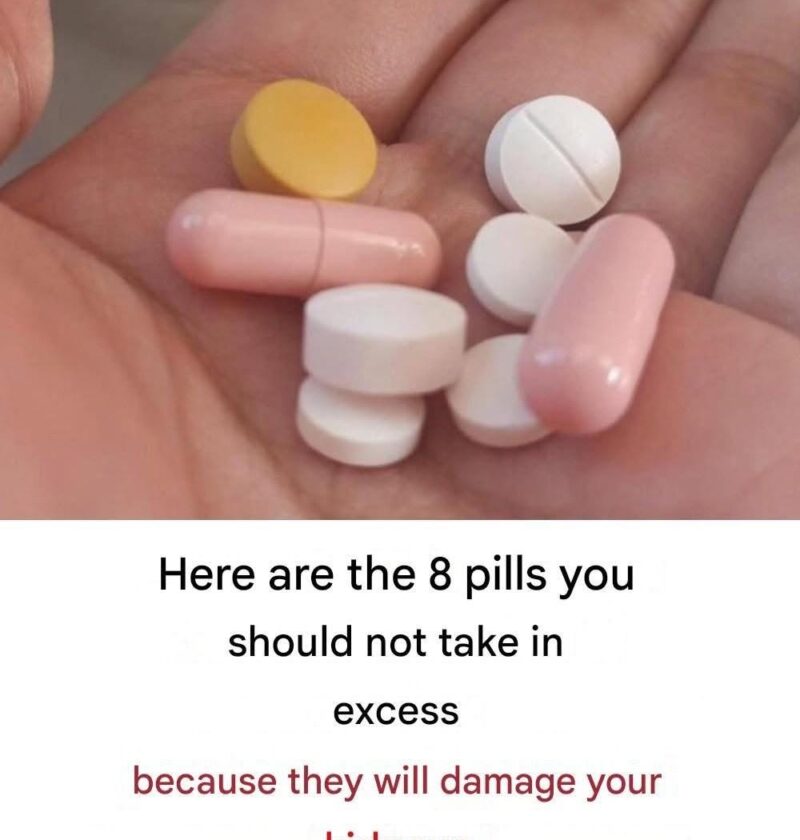
If you mean medications that can harm the kidneys, the risk depends on the person, dose, duration, hydration, and existing health conditions. Many medicines are safe when used correctly, but some can cause kidney injury in certain situations.
Here are eight types of pills/medications that deserve caution because they can affect kidney function:
- Nonsteroidal anti-inflammatory drugs (NSAIDs)
Examples: Ibuprofen, Naproxen, and Diclofenac- Frequent or high-dose use can reduce blood flow to the kidneys and may trigger kidney injury, especially in older adults or people with kidney disease, dehydration, or heart problems.
- Certain antibiotics
Examples: Gentamicin and other aminoglycosides- Some antibiotics can be toxic to kidney cells, particularly at high doses or with prolonged treatment.
- Some acid-reducing medications
Example: Omeprazole and other proton pump inhibitors- Rarely, they can cause kidney inflammation (acute interstitial nephritis).
- Certain blood pressure medicines (in specific situations)
Examples: Lisinopril and Losartan- These medicines can change kidney blood flow. They are often kidney-protective in many patients, but kidney function and potassium levels may need monitoring.
- Water pills (diuretics)
Examples: Furosemide- Excessive use or dehydration can reduce kidney function.
- Certain antiviral medicines
Example: Tenofovir- Some antiviral drugs can affect kidney tubules and require monitoring.
- Some chemotherapy medicines
Example: Cisplatin- Can be directly toxic to kidney tissue, so doctors often monitor kidney function during treatment.
- High-dose or prolonged use of some supplements marketed as pills
- Certain herbal products, bodybuilding supplements, or high-dose nutrients may contain ingredients that stress the kidneys or interact with medicines.
Seek medical advice promptly if you notice symptoms such as much less urine than usual, swelling in the legs or face, unusual fatigue, confusion, nausea, or blood in the urine—especially after starting a new medication.
Do not stop prescribed medicines without speaking with a healthcare professional; some of these drugs are important and safe when appropriately monitored.