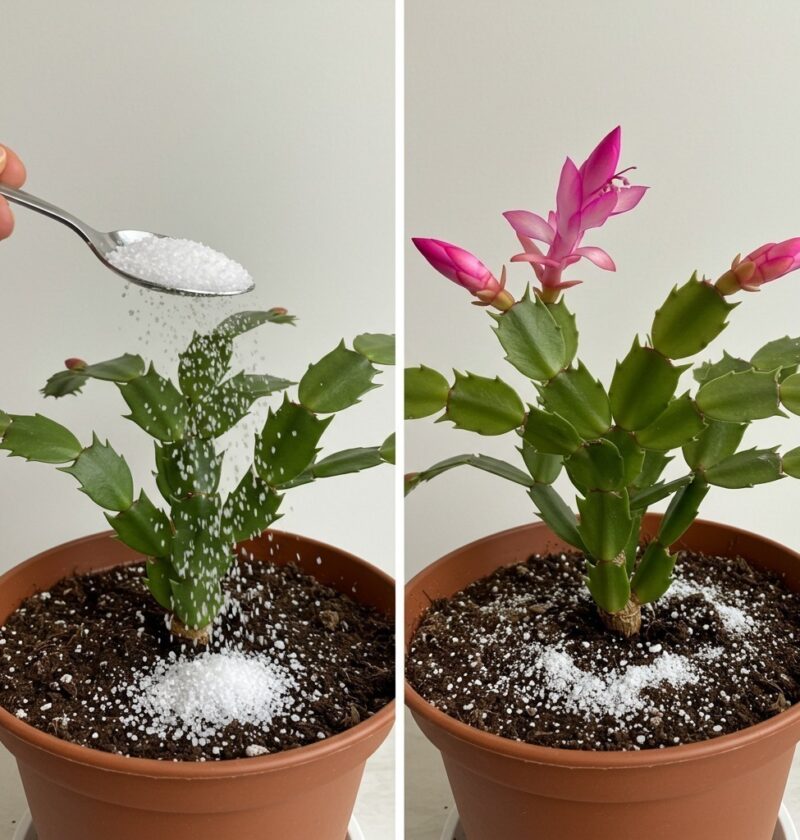
Fall Awakening: Bringing House Flowers Back to Life with a Simple Seasonal Care Secret
Part 1: How to Refresh Indoor Plants When They Start Looking Weak in Autumn
(Original, Copyright-Free, SEO-Optimized Home Gardening Content)
Do Your House Flowers Start Looking Tired When Fall Arrives?
As the seasons change, many indoor plant owners notice the same problem: house flowers that looked fresh and vibrant during spring and summer start to look dull, droopy, or slow-growing in autumn.
Leaves may lose brightness, soil may dry out differently, and growth often slows down. This is not necessarily a sign that your plant is dying—it is usually a response to changes in light, temperature, and humidity.
Fall is a transition period for plants, and with a few simple adjustments, you can help them regain energy and maintain healthy growth.
Why Indoor Plants Struggle in Fall
Seasonal changes affect houseplants in several ways:
1. Reduced Natural Light
Days become shorter, and sunlight becomes weaker, which slows down photosynthesis.
2. Lower Humidity Levels
Indoor heating systems and dry air can reduce moisture in the environment.
3. Temperature Fluctuations
Cool nights and warm indoor heating can stress sensitive plants.
4. Slower Growth Cycle
Many plants naturally enter a semi-dormant phase during cooler months.
These factors combined can make plants look less lively even if they are still healthy.
The “Little Secret” Behind Reviving House Flowers in Fall
One of the most effective seasonal plant care techniques is surprisingly simple: refreshing the plant’s environment and feeding routine instead of overwatering or over-fertilizing.
Most plants don’t need aggressive treatment in fall—they need balance, stability, and gentle care.
This approach focuses on:
- Adjusting watering habits
- Improving light exposure
- Cleaning leaves for better breathing
- Supporting soil health naturally
Step 1: Adjust Your Watering Routine
Overwatering is one of the most common mistakes in autumn.
In cooler months:
- Soil dries more slowly
- Plants use less water
- Roots are more sensitive
Smart watering approach:
- Check soil before watering
- Water only when the top layer feels dry
- Avoid keeping soil constantly wet
This helps prevent root stress and fungal issues.
Step 2: Move Plants Closer to Natural Light
Light is essential for plant energy.
To improve growth:
- Place plants near windows with indirect sunlight
- Rotate pots weekly for even exposure
- Clean dusty windows to maximize light
Even small improvements in light can revive leaf color and growth.
Step 3: Clean the Leaves for Better “Breathing”
Dust buildup on leaves blocks light absorption.
A simple cleaning method:
- Use a soft damp cloth
- Gently wipe both sides of leaves
- Avoid harsh chemicals
Clean leaves allow better photosynthesis and improve plant appearance instantly.
Step 4: Support Soil Instead of Overfeeding
In fall, plants do not require heavy fertilization.
Instead:
- Use light, balanced feeding if needed
- Avoid strong fertilizer doses
- Focus on soil quality rather than quantity of nutrients
Healthy soil structure supports long-term plant strength.
Step 5: Maintain Stable Indoor Conditions
Plants respond strongly to environment stability.
Try to:
- Keep plants away from heaters and AC vents
- Avoid sudden temperature changes
- Maintain moderate humidity if possible
A stable environment reduces stress on indoor flowers.
Common Mistakes That Make Plants Look Worse in Fall
Overwatering out of habit
This often leads to root damage.
Ignoring light changes
Plants that thrived in summer may struggle indoors without adjustment.
Frequent repotting in cold seasons
This can shock the plant unnecessarily.
Using too much fertilizer
Slower plant metabolism in fall cannot process excess nutrients well.
Which Indoor Plants Benefit Most from Fall Care?
Many common houseplants respond well to seasonal adjustments, including:
- Peace lilies
- Snake plants
- Pothos
- Spider plants
- Ferns
- Indoor flowering plants
Each may react differently, but all benefit from balanced care.
Why This Simple Approach Works
The “secret” is not a product or miracle solution—it is understanding plant behavior.
When you:
- Reduce stress
- Improve light access
- Avoid overwatering
- Keep conditions stable
Plants naturally recover their strength over time.
The Bottom Line
Indoor flowers don’t usually need dramatic intervention in fall—they need thoughtful adjustment. With small seasonal changes in watering, lighting, and care routine, most houseplants can regain their healthy appearance and continue growing steadily.
See More
Sometimes the real secret to plant revival isn’t adding more—it’s simply doing less, but doing it right.
Part 2: Simple Fall Plant Revival Spray
Gentle Leaf-Refreshing Plant Mist
Ingredients
- 1 liter clean water
- 1 teaspoon mild liquid soap (optional, very diluted)
- 1 teaspoon aloe vera gel (optional for shine and hydration)
Instructions
- Mix ingredients in a spray bottle.
- Lightly mist plant leaves (do not soak).
- Wipe gently with a soft cloth if needed.
- Use once every 1–2 weeks.
Preparation Time
3 minutes
Category
Indoor Plant Care • Leaf Shine Solution • Seasonal Gardening Support