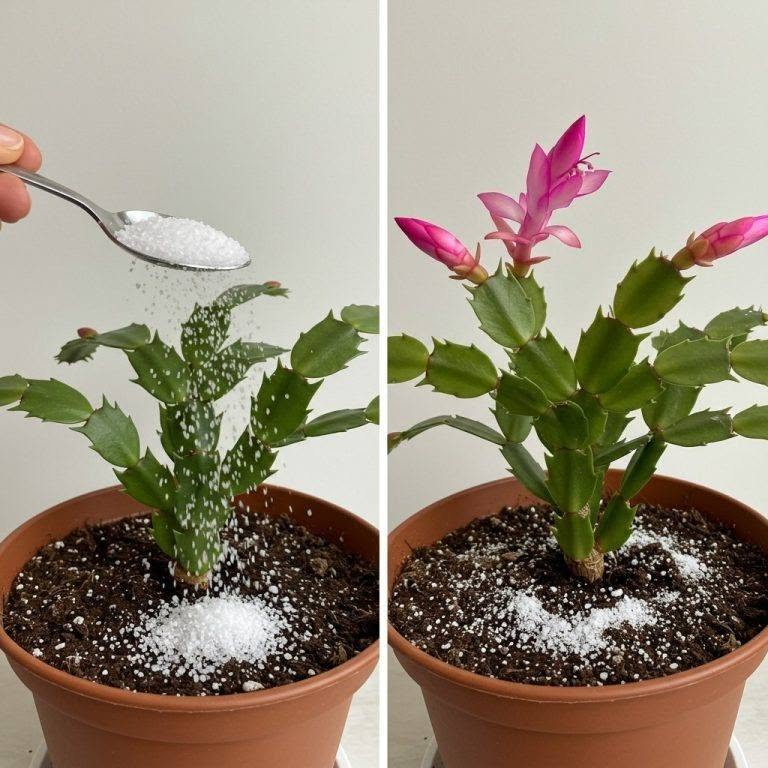
Fall Awakening: Bringing Houseplants Back to Life with Simple Seasonal Care
As autumn arrives, many houseplant owners notice a change in their plants. Growth slows, leaves may look dull, and watering routines that worked in summer suddenly seem less effective. This seasonal shift often leads to viral claims about “secret tricks” that can revive plants overnight.
In reality, there is no single secret ingredient that wakes up houseplants. Instead, healthy plants respond to proper seasonal care adjustments. Understanding how plants react to changing light, temperature, and humidity is the real key to keeping them thriving through fall and winter.
Why Houseplants Change in Fall
Most houseplants are influenced by natural seasonal cycles. Even indoors, shorter daylight hours and cooler temperatures signal the plant to slow its growth. This is completely normal and not a sign that the plant is dying.
During this time:
- Growth slows or pauses
- Water needs decrease
- Nutrient demand drops
- Leaves may appear less vibrant
The Real “Secret”: Adjusting Care, Not Adding Ingredients
Despite viral claims, plants do not respond to magical mixtures like coffee, sugar water, or kitchen scraps. The true “secret” is simply adapting care to the season.
1. Adjust watering habits
Overwatering is one of the most common plant problems in fall and winter. Since soil dries more slowly:
- Check soil before watering
- Water less frequently
- Avoid letting roots sit in water
2. Maximize natural light
With shorter days, light becomes limited:
- Move plants closer to windows
- Rotate pots weekly for even growth
- Clean dusty leaves so they absorb more light
3. Maintain stable temperatures
Sudden temperature changes can stress plants:
- Keep plants away from cold drafts
- Avoid placing them near heaters or radiators
- Maintain consistent indoor temperatures when possible
4. Reduce or pause fertilizing
Most houseplants do not actively grow in fall:
- Stop or reduce fertilizer use
- Resume feeding in spring when growth restarts
5. Improve humidity (for tropical plants)
Indoor heating can dry out air, affecting plants like ferns or peace lilies:
- Use a humidity tray
- Group plants together
- Occasionally mist leaves (if suitable for the species)
The Truth About “Secret Plant Hacks”
Many online posts suggest unusual remedies such as:
- Coffee grounds
- Eggshells
- Banana peels
- Rice water
- Sugar solutions
While these may sound natural and helpful, they are not reliable for general plant care. In many cases, they can:
- Attract pests
- Encourage mold growth
- Disrupt soil balance
Plants already get what they need from proper soil, water, air, and light.
Final Thoughts
There is no magical “fall awakening” trick for houseplants. What works instead is simple, consistent care tailored to seasonal changes. By adjusting watering, improving light, and avoiding overfeeding, your plants can stay healthy and stable through autumn and winter.
Healthy plants are not the result of secrets — they are the result of understanding their natural rhythm.
If you want, I can also turn this into a blog post with SEO title, keywords, and meta description so you can publish it online.