Part 1: Heavy Legs, Fatigue & Tingling Sensation – What Your Circulation and Nerves Might Be Telling You
Understanding the “Heavy Legs + Tingling” Feeling
Experiencing heavy legs, fatigue, tingling sensations, or a “pins and needles” feeling is more common than most people realize. These symptoms often get loosely grouped under “poor circulation,” but the reality is more complex.
Your body relies on a coordinated system of blood vessels, nerves, muscles, and metabolism. When any part of this system is under stress, you may feel:
- Heaviness in the legs
- Tingling or numbness
- Unusual tiredness
- Weakness after standing or walking
- Cold or restless legs
These symptoms do not always point to a serious condition, but they should not be ignored if they persist.
How Blood Circulation Affects Your Legs
Healthy circulation ensures oxygen-rich blood reaches your muscles and tissues. When circulation is reduced or inefficient, your legs are often the first area to show symptoms because they are farthest from the heart.
One medical condition often associated with poor circulation is Peripheral Artery Disease. In this condition, narrowed arteries reduce blood flow, especially to the legs, leading to fatigue, cramping, or heaviness during movement.
However, circulation issues are only one possible explanation.
Common Causes of Heavy Legs and Fatigue
1. Prolonged Sitting or Standing
One of the most overlooked causes is lifestyle-related. Sitting for long hours (office work, driving, or screen time) can slow blood return from the legs.
This leads to:
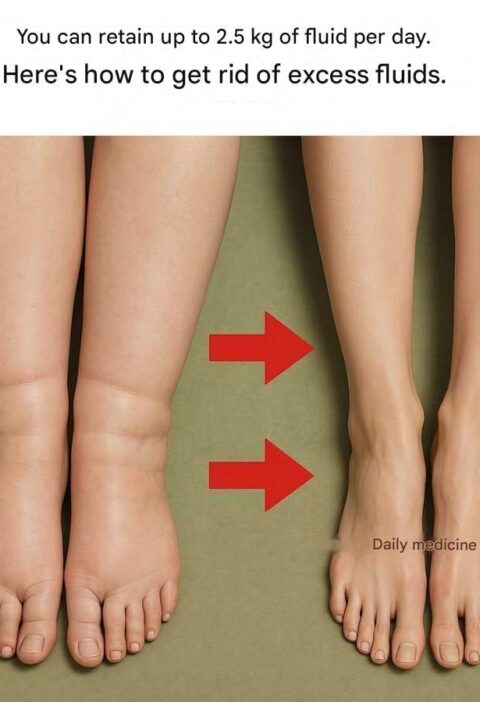
- Fluid pooling in lower limbs
- Swelling or heaviness
- Tingling sensations from nerve pressure
Similarly, standing for too long without movement can strain leg veins.
2. Poor Physical Activity Levels
A sedentary lifestyle weakens both muscles and circulation efficiency. The calf muscles act as a “pump” that helps push blood back toward the heart. When these muscles are inactive, circulation becomes sluggish.
This can result in:
- Weakness in legs
- Early fatigue while walking
- Feeling of heaviness even without exertion
Regular movement is essential for maintaining vascular health.
3. Nerve-Related Issues
Tingling or “pins and needles” is often linked to nerve irritation rather than blood flow alone.
Conditions such as diabetic neuropathy (commonly associated with diabetes) can damage peripheral nerves and lead to:
- Tingling in feet or legs
- Burning sensations
- Numbness or reduced sensation
Even temporary nerve compression (like sitting cross-legged for too long) can cause similar symptoms.
4. Vitamin Deficiencies
Certain nutritional deficiencies can directly affect nerve and muscle function. Common ones include:
- Vitamin B12 deficiency
- Vitamin D deficiency
- Iron deficiency (anemia-related fatigue)
Low levels of these nutrients may lead to:
- Weakness
- Fatigue
- Tingling sensations
- Poor concentration
5. Fluid Retention and Venous Insufficiency
When veins struggle to return blood efficiently to the heart, blood can pool in the lower legs. This condition is known as chronic venous insufficiency.
Symptoms may include:
- Heaviness in legs
- Swelling around ankles
- Aching discomfort after standing
- Visible vein enlargement in some cases
6. Blood Sugar Imbalance
People with diabetes or prediabetes may experience nerve damage and circulation issues over time. High blood sugar levels can gradually affect both blood vessels and nerve endings.
This can lead to:
- Tingling in feet
- Burning sensations at night
- Weakness or fatigue in legs
7. Dehydration and Electrolyte Imbalance
Low fluid intake or imbalance in minerals like potassium and magnesium can affect muscle function.
This may cause:
- Muscle fatigue
- Cramping
- Weak leg sensation
- Mild tingling
8. Stress and Anxiety Effects
Emotional stress can also influence physical sensations. Stress may cause:
- Muscle tension in legs
- Increased awareness of body sensations
- Temporary tingling due to shallow breathing or tension
While not dangerous, these symptoms can feel very real and uncomfortable.
When Circulation Symptoms May Need Attention
Most cases are harmless or lifestyle-related, but certain signs should not be ignored:
- Persistent leg pain while walking
- Worsening numbness or tingling
- Cold or discolored feet
- Non-healing wounds on legs or feet
- Severe swelling in one leg
These could indicate a more serious vascular or neurological condition requiring medical evaluation.
How to Improve Leg Circulation Naturally
1. Regular Movement
Walking is one of the best ways to activate calf muscles and improve blood flow.
2. Stretching and Leg Exercises
Simple movements like ankle rotations or calf raises help reduce heaviness.
3. Hydration
Adequate water intake supports healthy blood flow and muscle function.
4. Balanced Nutrition
A diet rich in vitamins B12, iron, and magnesium supports nerve and muscle health.
5. Avoid Long Static Positions
Take breaks every 30–60 minutes if sitting or standing for long periods.
6. Elevate Legs When Resting
This helps blood return to the heart more efficiently.
Medical Perspective on These Symptoms
Symptoms like heavy legs, fatigue, and tingling are non-specific, meaning they can arise from multiple causes ranging from simple lifestyle habits to medical conditions.
One important condition linked to circulation is Peripheral Artery Disease, but many people experience similar symptoms due to non-serious causes like inactivity or dehydration.
Proper diagnosis depends on a combination of:
- Medical history
- Physical examination
- Blood tests
- Circulatory or nerve studies if needed
Final Thoughts
Heavy legs, fatigue, and tingling sensations are often signals that your body needs attention—not necessarily alarm. In many cases, improving movement, hydration, and nutrition can significantly reduce symptoms.
However, if symptoms persist or worsen, especially with pain or numbness, a medical evaluation is important to rule out underlying circulatory or nerve-related conditions.
Sources
- Mayo Clinic – Peripheral Artery Disease and Circulatory Symptoms
- National Institute of Neurological Disorders and Stroke (NINDS) – Peripheral Neuropathy Information
- American Heart Association – Vascular Health and Circulation
- NHS UK – Leg Pain, Swelling and Circulation Conditions
Part 2: Simple Daily Routine to Support Healthy Leg Circulation
Ingredients (Daily Habits)
- 20–30 minutes walking
- 6–8 glasses of water
- Light stretching exercises
- Balanced meals with vitamins and minerals
Method
- Walk daily for at least 20 minutes.
- Avoid sitting or standing in one position for too long.
- Drink enough water throughout the day.
- Do simple leg stretches in morning and evening.
- Eat a balanced diet rich in nutrients.
- Elevate your legs while resting.
If you want, I can also convert this into a viral SEO blog post, YouTube script, or Pinterest health infographic set.