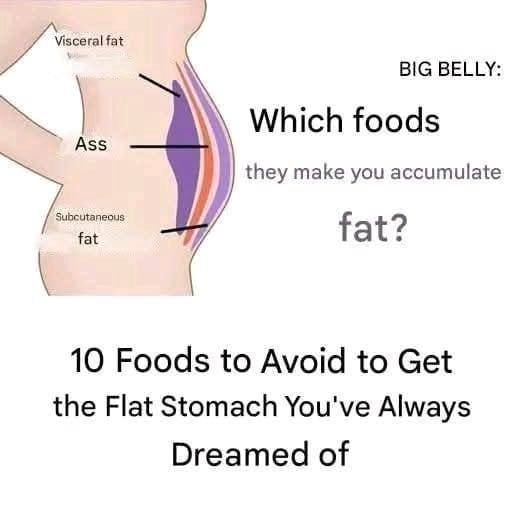
Understanding Belly Fat vs. Bloating
When people talk about wanting a “flat stomach,” they’re usually referring to two different things:
- Body fat around the abdomen (long-term accumulation of excess calories)
- Bloating and water retention (short-term digestive discomfort)
Both are influenced heavily by diet, lifestyle, sleep, stress, and overall metabolic health—not just single foods.
A balanced approach focuses on reducing foods that trigger excess calories, inflammation, and digestive discomfort while improving nutrient intake.
1. Sugary Drinks and Sweetened Beverages
Soft drinks, packaged juices, and energy drinks are among the biggest contributors to excess calorie intake.
These beverages:
- Add large amounts of sugar without satiety
- Spike blood sugar levels
- Increase fat storage over time when consumed regularly
They are often linked with increased abdominal fat accumulation when part of a high-calorie diet.
2. Highly Processed Fast Food
Fast food items are typically high in:
- Refined carbohydrates
- Unhealthy fats
- Excess sodium
These can contribute to both fat gain and bloating. Regular consumption may also lead to poor nutrient balance, making it harder to maintain a lean body composition.
3. Refined White Bread and Pastries
Refined flour products such as white bread, cakes, and pastries digest quickly and may lead to rapid blood sugar spikes.
They often:
- Lack fiber
- Promote overeating
- Provide low nutritional value
Whole grain alternatives are generally more supportive of digestion and satiety.
4. Fried Foods
Deep-fried foods absorb large amounts of oil during cooking, making them calorie-dense.
Frequent intake may:
- Slow digestion
- Cause heaviness and bloating
- Contribute to overall fat gain
Grilled, baked, or air-fried options are often better choices.
5. Alcoholic Beverages
Alcohol can contribute to abdominal fat gain indirectly by:
- Increasing calorie intake
- Reducing fat metabolism efficiency
- Disrupting sleep patterns
It can also cause temporary bloating due to dehydration and digestive irritation.
6. High-Sodium Packaged Snacks
Chips, instant noodles, and processed snacks often contain high sodium levels.
Excess sodium may:
- Cause water retention
- Make the abdomen appear bloated
- Increase thirst and fluid imbalance
7. Artificial Sweeteners (in Excess)
Some sugar substitutes may cause digestive discomfort in certain individuals.
They can:
- Alter gut bacteria balance
- Trigger bloating in sensitive people
- Increase cravings in some cases
Effects vary from person to person.
8. Carbonated Drinks
Soda and sparkling beverages introduce gas into the digestive system, which may lead to:
- Temporary bloating
- Abdominal discomfort
- Fullness sensation
While not fat-forming directly, they can affect stomach appearance temporarily.
9. Ultra-Processed Packaged Foods
These include ready-to-eat meals, instant foods, and heavily processed snacks.
They often contain:
- Additives
- Preservatives
- Low fiber content
Such foods may contribute to poor digestion and excess calorie intake.
10. Excessive Refined Sugar Foods
Candy, desserts, and sweet baked goods contribute to:
- Rapid blood sugar fluctuations
- Increased calorie intake
- Reduced satiety
Over time, high sugar consumption is associated with increased fat storage when not balanced with activity.
Important Reality About “Flat Stomach” Goals
A flatter midsection is influenced by:
- Overall calorie balance
- Physical activity levels
- Hormonal health
- Sleep quality
- Stress management
- Gut health
No single food causes belly fat on its own. It is always a combination of habits over time.
Healthier Food Alternatives for Better Digestion and Body Composition
Instead of restrictive thinking, focus on substitutions like:
- Water instead of sugary drinks
- Whole grains instead of refined flour
- Grilled foods instead of fried foods
- Fresh fruits instead of packaged sweets
- Homemade meals instead of ultra-processed foods
These changes support better digestion and long-term weight management.
Final Perspective
A sustainable approach to a leaner waistline is not about extreme restriction, but about improving food quality, portion balance, and daily lifestyle habits.
Consistency in nutrition, movement, and hydration plays a much bigger role than avoiding a few specific foods.
Sources
- Harvard T.H. Chan School of Public Health – Healthy Eating Plate & Added Sugars
- World Health Organization (WHO) – Healthy Diet Guidelines
- Mayo Clinic – Weight Management and Nutrition
- American Heart Association – Sodium and Processed Food Intake
Part 2: Simple Eating Guide for a Balanced Midsection Routine
Daily Focus Foods
- Fresh vegetables
- Lean proteins
- Whole grains
- Fruits
- Plenty of water
Foods to Limit
- Sugary drinks
- Fried foods
- Ultra-processed snacks
- Excess sweets
- High-sodium packaged foods
Simple Method
- Eat balanced meals with protein + fiber.
- Drink water throughout the day.
- Reduce processed and sugary foods gradually.
- Stay active with light daily movement.
- Maintain consistent sleep patterns.