First: what high creatinine means
Creatinine is a waste product filtered by the kidneys. High levels can suggest:
- reduced kidney function
- dehydration
- high protein intake
- certain medications or medical conditions
It should always be interpreted by a doctor, not just diet advice alone.
3 kidney-friendly fruits (generally safer choices)
These are often recommended because they are lower in potassium and easier on the kidneys (especially in earlier kidney disease or general kidney-support diets):
1. Apples
- Low in potassium
- High in fiber
- Supports digestion and heart health
2. Berries (strawberries, blueberries)
- Rich in antioxidants
- Generally kidney-friendly in moderate portions
- Low to moderate potassium
3. Grapes
- Hydrating
- Lower potassium than many tropical fruits
- Contain antioxidants (resveratrol)
3 fruits to limit (depending on kidney condition)
Important note: these are not “bad,” but may need portion control if kidney function is reduced, especially in advanced cases.
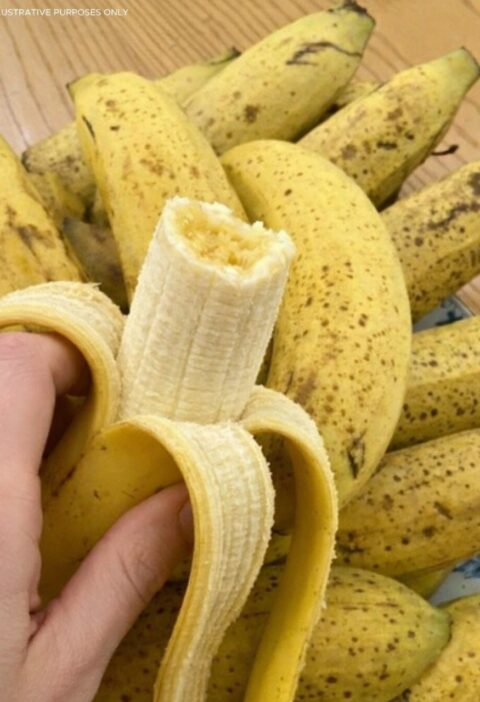
1. Bananas
- High in potassium
- Can be an issue in kidney disease when potassium builds up
2. Oranges / Orange juice
- Healthy normally, but higher potassium content
- Juice can also concentrate sugars
3. Avocado
- Nutrient-dense but very high in potassium
- Often limited in kidney diets
Important reality check
- Fruits do not directly lower creatinine
- Diet helps support kidney health but does not replace treatment
- Restrictions depend on stage of kidney function and lab results
For example:
- Early kidney issues → often no strict fruit restriction
- Advanced kidney disease → potassium and phosphorus monitoring becomes important
What actually helps manage high creatinine
- Staying properly hydrated (if allowed by doctor)
- Controlling blood pressure and diabetes
- Reducing excess protein if advised
- Avoiding unnecessary supplements
- Following prescribed medication
Bottom line
Fruit choices can support kidney health, but they are supportive—not a cure or direct treatment for high creatinine. Individual medical conditions matter more than generic “3 good vs 3 bad fruits” lists.
If you want, I can make a kidney-friendly full diet chart (breakfast, lunch, dinner) tailored to common South Asian foods.