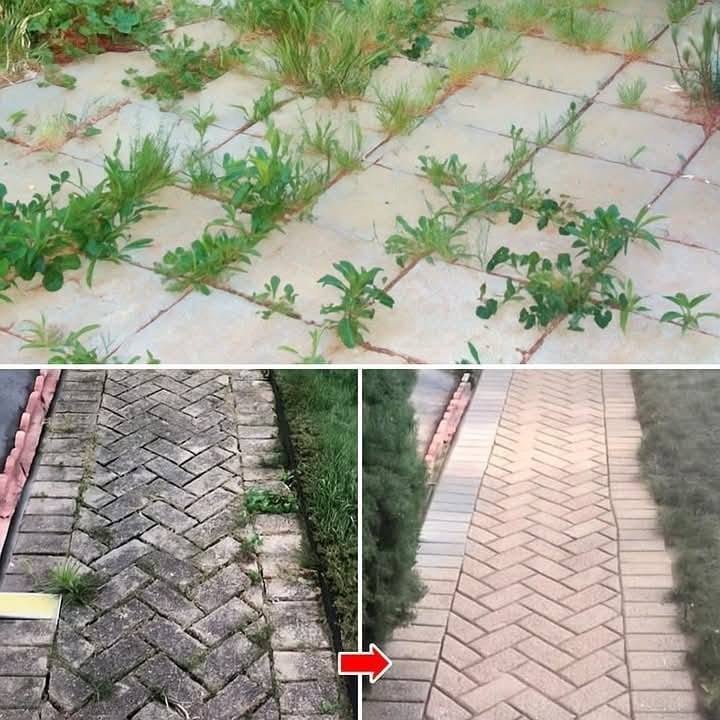
How to Eliminate Weeds Forever and Naturally
No natural method can truly remove weeds forever because new weed seeds can arrive from wind, birds, rain, and nearby areas. However, you can greatly reduce weeds for years by removing existing plants, preventing new growth, and improving soil conditions.
1. Pull weeds the right way
- Pull after rain or watering when soil is soft.
- Remove the entire root, especially for deep-rooted weeds.
- Use a weeding tool for taproots (such as dandelion-type weeds).
- Avoid leaving flower heads or seeds behind.
2. Smother weeds with mulch
Mulch blocks sunlight and prevents many weed seeds from sprouting.
Good natural mulches:
- Wood chips
- Straw
- Shredded leaves
- Compost
- Grass clippings (thin layers)
Apply about 5–10 cm (2–4 inches) around plants, leaving space around stems to prevent rot.
3. Use cardboard or newspaper as a weed barrier
For garden beds:
- Cut weeds down.
- Lay plain cardboard or several layers of newspaper.
- Wet it thoroughly.
- Cover with mulch.
This blocks light and gradually breaks down into the soil.
4. Try boiling water for cracks and paths
For weeds growing between paving stones or driveway cracks:
- Pour boiling water directly onto the weeds.
- Repeat if needed.
This works best on small areas, not lawns or planted beds.
5. Use vinegar carefully
Household vinegar can burn weed leaves, especially young weeds.
A natural spray:
- Vinegar (higher-strength horticultural vinegar works better than kitchen vinegar)
- A small amount of dish soap to help it stick
Important: Vinegar can also damage desired plants and may affect soil organisms, so use it only where you do not want anything growing.
6. Keep the lawn healthy
A thick lawn naturally crowds out weeds:
- Mow at the correct height for your grass type.
- Water deeply but less frequently.
- Fertilize appropriately.
- Overseed thin areas.
7. Prevent weeds before they grow
- Remove weeds before they flower and spread seeds.
- Keep garden soil covered.
- Avoid disturbing soil unnecessarily, since digging can bring buried weed seeds to the surface.
8. Plant ground covers
Dense plants leave fewer spaces for weeds:
- Creeping thyme
- Clover
- Low-growing native plants
- Dense ornamental ground covers
Long-term “weed reduction” strategy
The most effective natural combination is:
Remove existing weeds → cover the soil → maintain healthy plants → prevent seed production.
This approach can make weed problems dramatically smaller over time, though occasional maintenance is still usually needed.