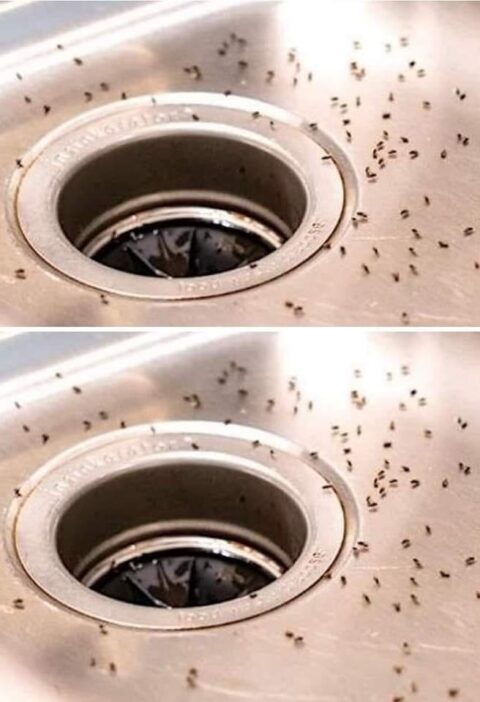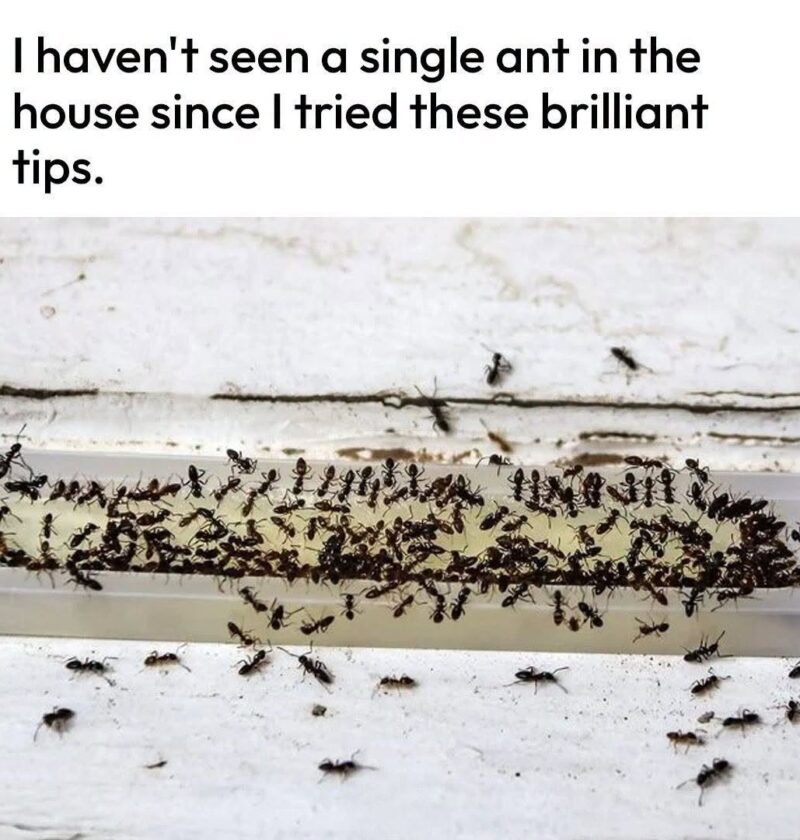
Want to hear something scary? Ants outnumber humans 2.5 million to one. And that is probably an undercount! I think of that statistic every time I see the trail of ants in my kitchen, headed for my cat’s food. Or that time last summer when I stepped on a fire ant hill. I like bugs, and I avoid killing these ubiquitous, single-minded, occasionally stinging friends, but with those kinds of numbers, ants seem poised to take over.
Can you get rid of ants? I decided to ask some entomologists.
The Honest Truth: You Can’t Completely Get Rid of Ants
Spoiler alert: You cannot completely get rid of ants. But “there are several things the homeowner can do to reduce ant populations invading their homes,” says David Price, associate certified entomologist and director of technical services at Mosquito Joe.
As with much in life, prevention is the best defense. Wildly spraying pesticides all over your lawn might feel good, but it is unlikely to succeed. Ahead, Price and two other experienced entomologists explain what you should do instead.
Step 1: Identify the Ant
The first step to getting rid of ants is to identify the type of ant you are up against.
“Different ant species are pests for different reasons, and control can vary by species, so correctly identifying what species you’re dealing with is important,” says Michael J. Skvarla, Ph.D., head of the Insect Identification Laboratory at Penn State University. “Since there are only a handful of species that are regular pests indoors, it’s often easy to identify which species you’re dealing with.”
How to Identify Your Ants
| Action | Why It Matters |
|---|---|
| Snap a picture | Ants are always on the move, so a high-quality photo helps with identification |
| Note where you see them | Kitchen ants often live nearby; carpenter ants may be near damaged wood |
| Trace their trail | Follow the line of ants back to their entry point |
| Check with your university or county extension service | Extensions offer free local educational resources and identification tools |
Example resource: Skvarla recommends a pictorial key to the 21 most common pest species, which should work for most people most of the time.
Common Indoor Ant Species
| Species | Key Trait | Concern |
|---|---|---|
| Odorous house ants | Smell like rotten coconut when crushed | Multiple queens; difficult to control |
| Pharaoh ants | Very small; light yellow-brown | Can spread disease in hospitals |
| Argentine ants | Dark brown; large colonies | Displace native ant species |
| Ghost ants | Very small; pale legs and abdomen | Nest in moist areas |
| Carpenter ants | Large; black or red-black | Damage wood structures |
Important: For some species, you need to work fast. If the ants you follow are disappearing behind a rotted windowsill, you might have carpenter ants. These ants build their nests in water-damaged wood. “In nature, this helps break down fallen trees and recycle their nutrients back into the soil,” Skvarla says. “In homes and other buildings, this can weaken structural timbers and, if enough damage is done, cause substantial damage to the building.”
Step 2: Choose Your Ant Removal Method
Now that you know what type of ant you have and where they live, it is time to eliminate the ants. The experts suggest starting with simple solutions and working your way up from there.
Method 1: Place Bait Stations
Prepackaged bait stations are the easiest place to start your attempts to eliminate ants. Ant colonies send out scouts to find and bring back food to the nest, and you can use this against them.
| Season | Preferred Food |
|---|---|
| Spring | Sweets (energy to start working) |
| Summer to fall | Proteins (reproduction) |
How to choose bait: Look on the back of bait station packages for a note that says (for example) “kills common sweet-eating ants.”
Testing ant preferences: If you are unsure what the ants are going for, test them with:
-
Peanut butter (protein)
-
Honey (sweet)
-
Fried foods (fat)
Method 2: Try DIY Remedies
Harlow-Ellis says making your own bait can work, too