Complete Guide to Atorvastatin and Its Medical Use
Introduction: A Widely Used Heart Medication
Atorvastatin is one of the most commonly prescribed medicines worldwide. It belongs to a class of drugs called statins, which are used to manage cholesterol levels and reduce the risk of heart-related diseases.
Doctors prescribe it not just to treat high cholesterol, but also to prevent serious cardiovascular events like heart attacks and strokes.
How Atorvastatin Works in the Body
Atorvastatin works by targeting the liver, which is responsible for producing cholesterol.
It:
- Blocks an enzyme involved in cholesterol production (HMG-CoA reductase)
- Lowers “bad” LDL cholesterol levels
- Reduces triglycerides (fat in the blood)
- Slightly increases “good” HDL cholesterol
By improving these levels, it helps keep blood vessels cleaner and healthier.
Why Doctors Commonly Prescribe Atorvastatin
One of the main reasons this medicine is so widely used is its effectiveness in preventing cardiovascular disease.
Doctors often prescribe it for:
1. High LDL cholesterol
When cholesterol levels are above safe limits.
2. Heart disease prevention
For people at risk of heart attacks or strokes.
3. Diabetes patients
Because diabetes increases heart risk even if cholesterol is normal.
4. Existing cardiovascular disease
To prevent further complications.
5. Genetic cholesterol disorders
Such as familial hypercholesterolemia.
Why It Is So Popular Compared to Other Statins
Atorvastatin is preferred because:
- It is highly effective at lowering LDL
- Works in moderate to high doses
- Has strong research backing
- Can be taken once daily
- Long-lasting effect in the body
This combination makes it a “first-choice” medication for many patients.
Common Benefits of Atorvastatin
When taken correctly, it can:
- Lower cholesterol significantly
- Reduce risk of heart attack
- Protect blood vessels
- Improve long-term heart health
- Slow plaque buildup in arteries
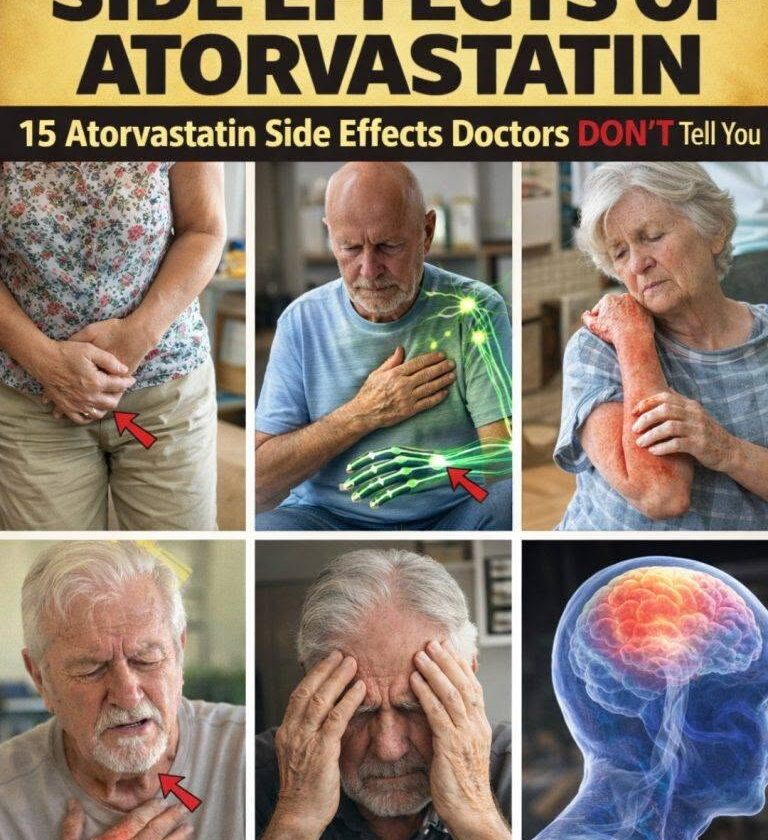
Possible Side Effects (What Patients Should Know)
Most people tolerate it well, but some may experience:
Mild effects
- Muscle pain or weakness
- Headache
- Digestive discomfort
Rare but serious effects
- Severe muscle damage (very rare)
- Liver enzyme changes
Doctors usually monitor liver function and symptoms during treatment.
Who Should Be Careful
Extra caution is needed for:
- People with liver disease
- Heavy alcohol users
- Patients on multiple interacting medications
- Pregnant or breastfeeding women (generally avoided)
Important Advice from Doctors
- Do not stop the medicine without medical advice
- Take it consistently, usually at the same time daily
- Combine with lifestyle changes (diet + exercise)
- Regular blood tests may be needed
PART 1 SUMMARY
Atorvastatin is a widely prescribed cholesterol-lowering drug that reduces LDL cholesterol and protects against heart attacks and strokes. Its effectiveness, safety profile, and strong clinical evidence make it one of the most commonly used medications in modern medicine.
PART 2: Simple Step-by-Step Explanation
Atorvastatin Made Easy
Step 1: What it is
A medicine that lowers cholesterol in the blood.
Step 2: How it works
It reduces cholesterol production in the liver.
Step 3: Why doctors give it
To prevent heart attacks, strokes, and high cholesterol problems.
Step 4: Benefits
Helps keep arteries clean and improves heart health.
Step 5: Safety
Usually safe, but may cause mild muscle or stomach issues in s