How to Make a Peace Lily Bloom More Often – Expert Indoor Plant Care Guide for Bigger, Healthier Flowers
Understanding the Flowering Behavior of Peace Lily Plants
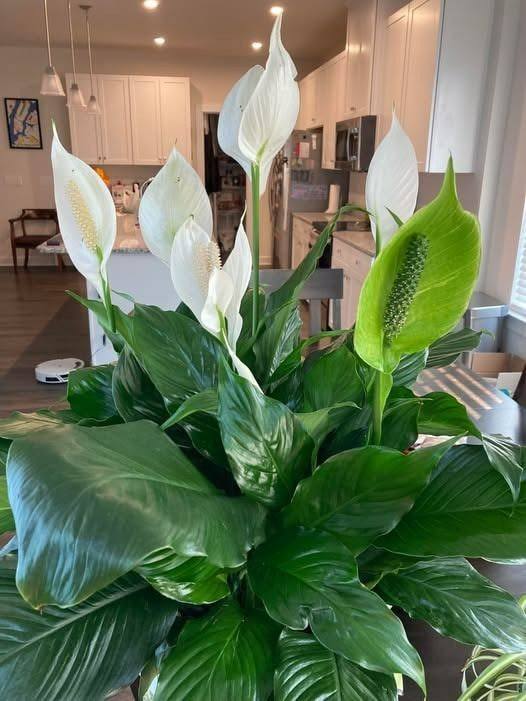
The Peace Lily (commonly known as Spathiphyllum (Peace Lily)) is one of the most popular indoor plants in the world. Loved for its glossy green leaves and elegant white “flowers,” it is often used in homes, offices, and indoor décor because it thrives in low light and requires relatively simple care.
However, many plant owners notice a common issue: their peace lily grows healthy leaves but produces very few or no flowers. This leads to the question—how do you encourage more blooms?
The truth is that peace lilies are not heavy bloomers by default. Their flowering depends on a combination of light quality, watering routine, nutrients, pot size, humidity, and plant maturity. With the right care strategy, you can significantly increase blooming frequency and enjoy lush white spathes more often.
This guide explains everything in a natural, practical, SEO-friendly way so you can turn your peace lily into a thriving flowering indoor plant.
Why Peace Lilies Stop or Reduce Flowering
Before improving blooms, it’s important to understand what causes reduced flowering in peace lilies.
1. Insufficient Light Exposure
Although peace lilies are known as low-light plants, “low light” does not mean “no light.” Many indoor environments are too dark for blooming.
When light is too low:
- The plant focuses on leaf survival instead of flowers
- Bud formation slows or stops
- Growth becomes weak and stretched
2. Overwatering or Poor Drainage
Peace lilies are sensitive to root stress. Overwatering can reduce blooming ability because roots cannot absorb nutrients properly.
Common issues include:
- Soggy soil
- Root rot
- Yellowing leaves
- Drooping plant appearance
3. Nutrient Deficiency
A lack of essential nutrients like phosphorus and potassium can reduce flowering. Many indoor plants survive on minimal feeding, but blooming plants require more balanced nutrition.
4. Small or Overcrowded Pots
When roots become tightly packed, the plant shifts energy from flowering to survival.
5. Natural Growth Cycle
Even healthy peace lilies go through rest periods where flowering slows down. This is normal and not always a sign of poor care.
Ideal Light Conditions for Maximum Peace Lily Blooms
Light is the most important factor for flowering success.
Best Lighting Setup:
- Bright, indirect sunlight
- Near east-facing windows
- Filtered sunlight through curtains
Avoid:
- Direct harsh sunlight (burns leaves)
- Very dark corners (reduces blooms)
Expert Tip:
If your peace lily only produces leaves, slowly move it closer to brighter indirect light over 1–2 weeks. Sudden changes can stress the plant.
Watering Strategy for Healthy Flower Production
Proper watering encourages strong roots and consistent blooming.
Best Practice:
- Water when the top 1–2 inches of soil feel dry
- Use room-temperature water
- Ensure excess water drains fully
Signs of Overwatering:
- Drooping leaves even when soil is wet
- Mushy stems
- Yellow leaf tips
Signs of Underwatering:
- Dry, crispy leaves
- Soil pulling away from pot edges
Feeding Your Peace Lily for More Flowers
To encourage blooming, your plant needs balanced nutrition.
Best Fertilizer Approach:
- Use a balanced liquid fertilizer (e.g., 10-10-10)
- Feed every 4–6 weeks during growing season (spring and summer)
- Reduce feeding in winter
Bloom-Boosting Nutrients:
- Phosphorus (supports flower formation)
- Potassium (strengthens plant structure)
- Magnesium (supports leaf health for better energy production)
The Role of Humidity in Flower Development
Peace lilies naturally grow in tropical environments, meaning they prefer humidity.
Ideal Conditions:
- Moderate to high humidity
- 50%–70% indoor humidity level
Simple Ways to Increase Humidity:
- Mist leaves lightly
- Place a water tray near the plant
- Group plants together
Repotting for Better Flowering Performance
If your peace lily has stopped blooming, it may be root-bound.
Signs it needs repotting:
- Roots growing out of drainage holes
- Water runs through soil too quickly
- Plant looks crowded
Best Practice:
- Repot every 1–2 years
- Use slightly larger pots
- Choose well-draining soil mix
Pruning and Maintenance for More Blooms
Regular maintenance helps redirect energy into flowering.
What to remove:
- Yellow or dead leaves
- Old flower stalks
- Damaged foliage
This encourages the plant to produce fresh growth and future blooms.
Temperature and Environmental Stability
Peace lilies prefer stable indoor conditions.
Ideal range:
- 18°C to 27°C (65°F to 80°F)
Avoid:
- Cold drafts
- Sudden temperature drops
- Placement near heaters or AC vents
Advanced Expert Trick for More Blooms
One lesser-known method is light stress balancing.
When a peace lily receives:
- Slightly brighter light
- Proper feeding
- Controlled watering
It often shifts from “leaf mode” to “flowering mode.”
This does not mean stress the plant aggressively, but rather optimize conditions so it naturally prioritizes reproduction (flowering).
Common Mistakes That Stop Peace Lily Flowering
- Keeping it in very dark rooms
- Over-fertilizing with nitrogen-heavy food
- Overwatering constantly
- Never repotting for years
- Ignoring humidity needs
Final Thoughts
Getting your peace lily to bloom more often is not about one trick—it is about balanced plant care. When light, water, nutrients, and environment are aligned, the peace lily naturally rewards you with elegant white blooms more frequently.
With consistent care, your Spathiphyllum (Peace Lily) can become a long-lasting indoor flowering plant that enhances both air quality and home aesthetics.
Part 2: Simple Peace Lily Bloom Boosting Care Guide
1. Light
- Bright indirect sunlight
- Avoid dark corners
2. Water
- Water when top soil is dry
- Avoid soggy soil
3. Feeding
- Liquid fertilizer every 4–6 weeks (spring/summer)
4. Humidity
- Light misting or water tray nearby
5. Repotting
- Every 1–2 years if root-bound
6. Maintenance
- Remove yellow leaves and old flowers