A lot of “super-effective homemade herbicide” posts online sound dramatic, but the reality is simpler: homemade options can kill weeds, but they’re usually non-selective (they kill anything they touch) and can also damage soil if overused.
Here are the most common safe DIY options:
1. Vinegar-based weed killer (most popular)
- Ingredient: Household white vinegar (higher acidity works better)
- How it works: Acetic acid dries out plant leaves
Basic mix:
- 1 liter vinegar
- 1–2 teaspoons dish soap (helps it stick to leaves)
How to use:
Spray directly on weeds on a sunny day.
⚠️ Works best on young weeds, not deep-rooted ones.
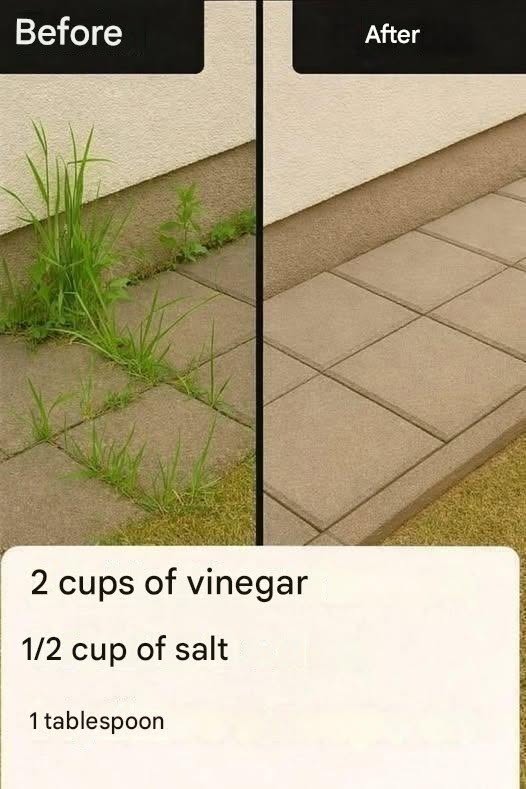
2. Salt + vinegar mixture (strong but risky)
- 1 liter vinegar
- 2–3 tablespoons salt
- A little dish soap
⚠️ Important warning:
Salt kills plants by dehydrating them, but it also:
- damages soil for a long time
- prevents future plant growth in that area
Only use on places where you never want plants again (driveways, cracks).
3. Boiling water (simplest method)
Just pour boiling water directly onto weeds.
✔️ Very effective for:
- cracks in pavement
- small patches of weeds
✔️ No chemicals, but it also kills any plant it touches.
4. Soap-only spray (mild option)
- Water + dish soap
This weakens the outer layer of plants but usually needs repeat applications.
Important reality check
Homemade herbicides:
- are not selective (they don’t distinguish weeds from flowers)
- often require repeated use
- don’t always kill roots of deep weeds
For stubborn weeds, commercial herbicides or manual removal are often more effective.
Bottom line
DIY herbicides can work for light weed control in paths, cracks, and small areas, but they’re not a perfect replacement for professional weed control.
If you want, tell me where you’re trying to remove weeds (lawn, garden, driveway), and I can suggest the safest and most effective method for that exact situation.