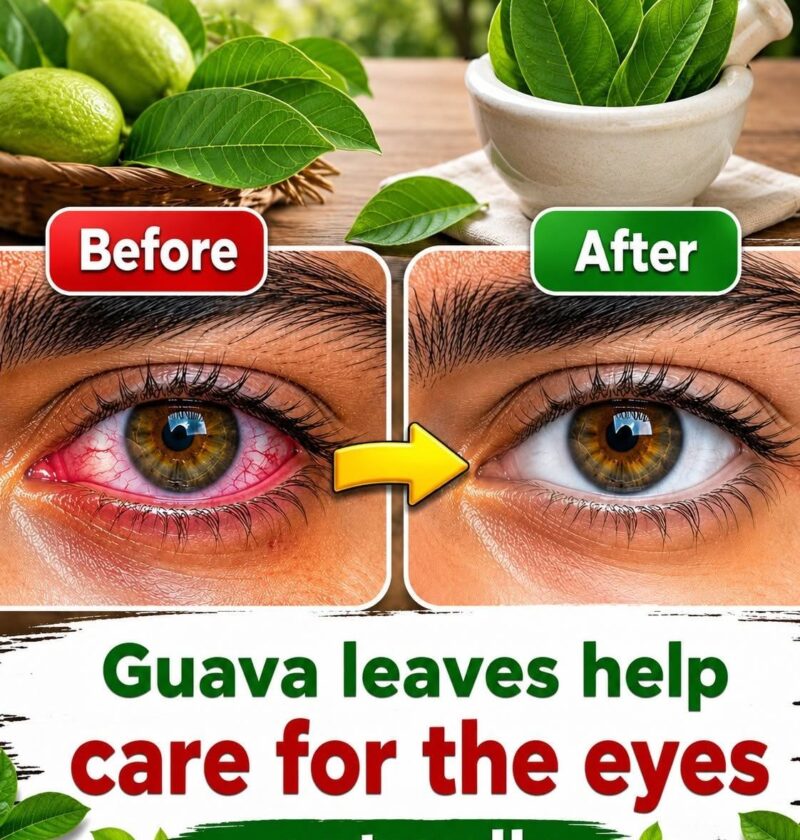
Guava can be a useful part of a diet that supports eye health because it contains several nutrients associated with maintaining normal vision and protecting eye tissues.
Why guava may help support eye health
Guava is rich in:
- Vitamin C – An antioxidant that helps protect eye cells from oxidative stress and supports the health of blood vessels in the eyes.
- Vitamin A (from carotenoids) – Important for maintaining the cornea and supporting normal vision, especially in low-light conditions.
- Lutein and zeaxanthin (in smaller amounts) – Plant pigments that accumulate in the retina and may help filter harmful blue light.
- Fiber and other antioxidants – Support overall metabolic health, which indirectly benefits eye health.
Ways to include guava in your diet
- Eat fresh guava
- Wash thoroughly and eat the fruit with the skin, which contains many beneficial nutrients.
- One medium guava can provide more than the daily recommended intake of vitamin C.
- Add guava to breakfast
- Slice it into yogurt, oatmeal, or fruit salads.
- Blend it into smoothies with other nutrient-rich fruits and vegetables.
- Make guava juice
- Use fresh guava and limit added sugar.
- Whole fruit is generally preferable because it retains the fiber.
- Combine with other eye-supportive foods
- Dark leafy greens for lutein and zeaxanthin.
- Orange vegetables such as carrots and sweet potatoes for beta-carotene.
- Fish rich in omega-3 fatty acids for retinal health.
- Nuts and seeds for vitamin E.
How much to eat
There is no specific amount of guava proven to improve vision. Including 1–2 servings of guava as part of a varied diet can help you obtain beneficial vitamins and antioxidants.
Important note
Guava can help support overall eye health, but it is not a treatment for vision problems such as nearsightedness, cataracts, glaucoma, or retinal diseases. If you notice changes in your vision, eye pain, flashes of light, or other eye symptoms, consult an eye care professional.
For the best support of long-term vision, combine a nutrient-rich diet with regular eye exams, protection from excessive UV light, good blood sugar control (if applicable), and avoiding smoking.