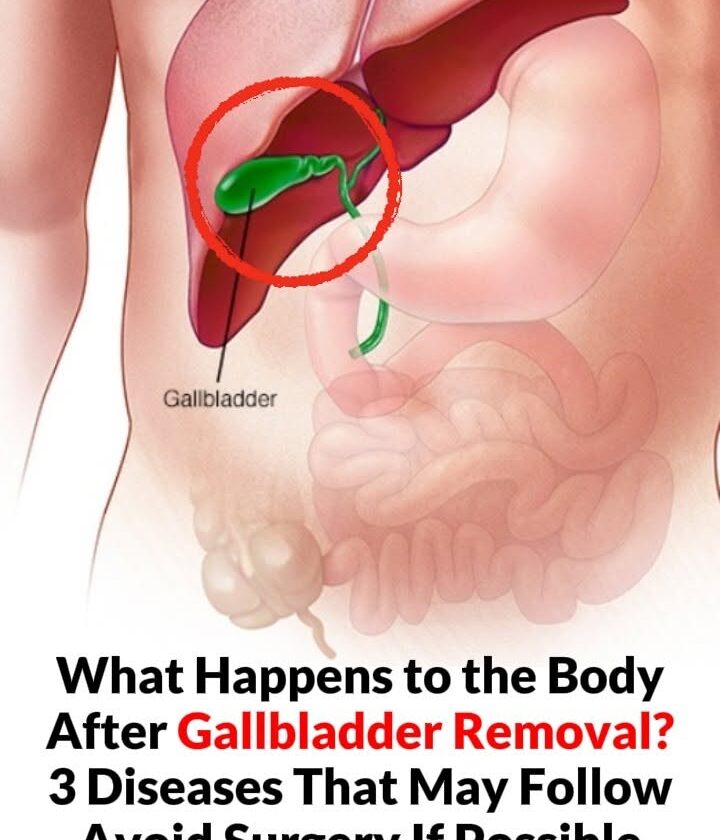
For most people with Gallstones causing pain, infection, or blockage, the standard and effective treatment is surgery called Cholecystectomy. It’s one of the most common and safest surgeries worldwide, and it’s often recommended because untreated gallbladder disease can lead to serious complications (like infection or pancreatitis).
That said, after gallbladder removal, the body does change how it handles bile. The gallbladder normally stores bile; without it, bile flows continuously into the intestine. Most people adapt well, but a minority experience longer-term digestive issues.
Here are 3 conditions that may occur after surgery in some people:
1) Post-cholecystectomy syndrome
This is a broad term for ongoing symptoms like bloating, abdominal discomfort, or indigestion after surgery. It doesn’t mean the surgery failed—often it’s due to bile flow changes or pre-existing digestive issues.
2) Bile acid diarrhea
Without the gallbladder regulating bile release, excess bile can sometimes reach the colon and cause frequent loose stools or urgency, especially after fatty meals.
3) Reflux or gastritis related to bile
Some people develop bile irritation in the stomach or worsening acid reflux symptoms, leading to burning discomfort or nausea.
Important reality check
- These issues affect a minority of patients.
- Most people live completely normal lives without dietary restrictions after recovery.
- When symptoms do occur, they are usually manageable with diet changes or medication.
Bottom line
Gallbladder removal is not something to “avoid at all costs.” It’s typically recommended when the risks of leaving the gallbladder in place are higher than the surgery itself.
If you want, tell me your symptoms or situation—I can explain whether surgery is usually recommended in that specific case or if non-surgical options might exist.