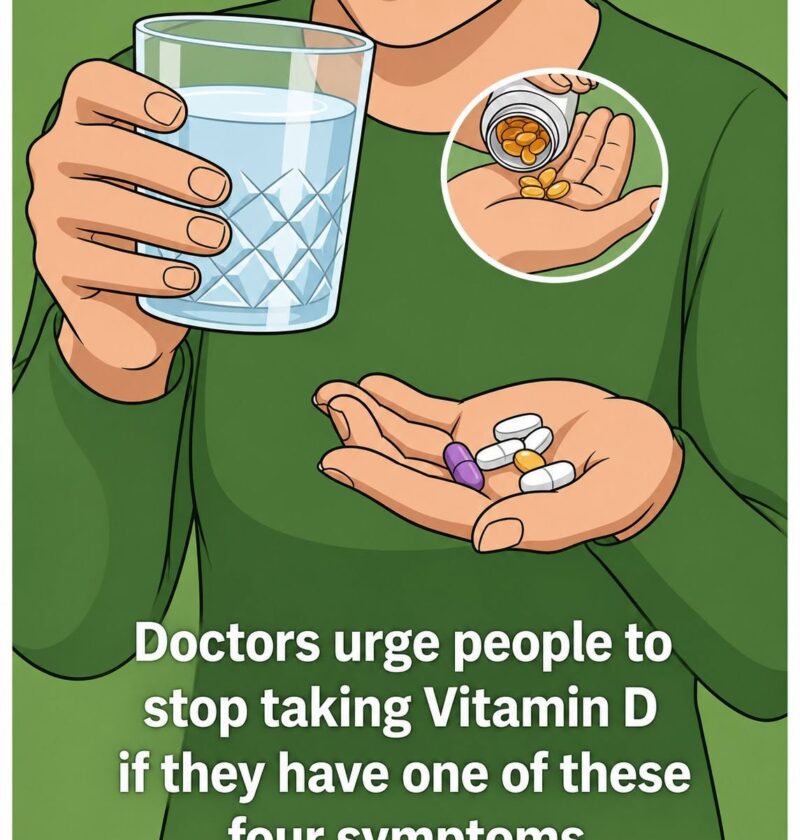
Important Warning: When to Stop Taking Vitamin D and Seek Medical Advice
Vitamin D is essential for healthy bones, muscles, and the immune system. While it’s safe and beneficial for most people when taken at recommended doses, taking too much vitamin D can lead to vitamin D toxicity, which causes high levels of calcium in the blood (hypercalcaemia). This is uncommon and almost always results from excessive supplementation—not from sunlight or a normal diet.
If you develop the following symptoms while taking vitamin D supplements, contact your healthcare provider promptly. Do not stop a prescribed supplement without discussing it with the clinician who recommended it, unless you’ve been advised to do so.
1. Persistent Nausea, Vomiting, or Loss of Appetite
Too much vitamin D can raise calcium levels, leading to:
- Nausea
- Vomiting
- Poor appetite
- Constipation
- Stomach discomfort
These symptoms have many possible causes, but they should be assessed if you’re taking high-dose vitamin D.
2. Excessive Thirst and Frequent Urination
High calcium levels can make you:
- Feel unusually thirsty
- Urinate more often than usual
- Become dehydrated
These symptoms warrant medical evaluation.
3. Muscle Weakness, Fatigue, or Confusion
Vitamin D toxicity can sometimes cause:
- Muscle weakness
- Unusual tiredness
- Confusion
- Difficulty concentrating
These symptoms are not specific to vitamin D excess but should be checked, especially if you’re taking large doses.
4. Kidney Problems
Excess calcium can affect the kidneys and may cause:
- Pain in the side or lower back
- Blood in the urine
- Kidney stones
- Reduced kidney function
Seek prompt medical attention if you develop these symptoms.
Who Is at Higher Risk?
The risk of vitamin D toxicity is higher in people who:
- Take high-dose supplements for long periods
- Combine several products containing vitamin D
- Have certain medical conditions that affect calcium metabolism
How to Take Vitamin D Safely
- Take only the dose recommended by your healthcare provider or the product label.
- Tell your doctor about all supplements you use.
- Avoid taking multiple vitamin D products unless advised.
- If you’re prescribed high-dose vitamin D, attend any recommended blood tests to monitor your vitamin D and calcium levels.
When to Seek Urgent Medical Care
Seek immediate medical attention if you have:
- Severe vomiting
- Extreme confusion
- Severe weakness
- Irregular heartbeat
- Signs of severe dehydration